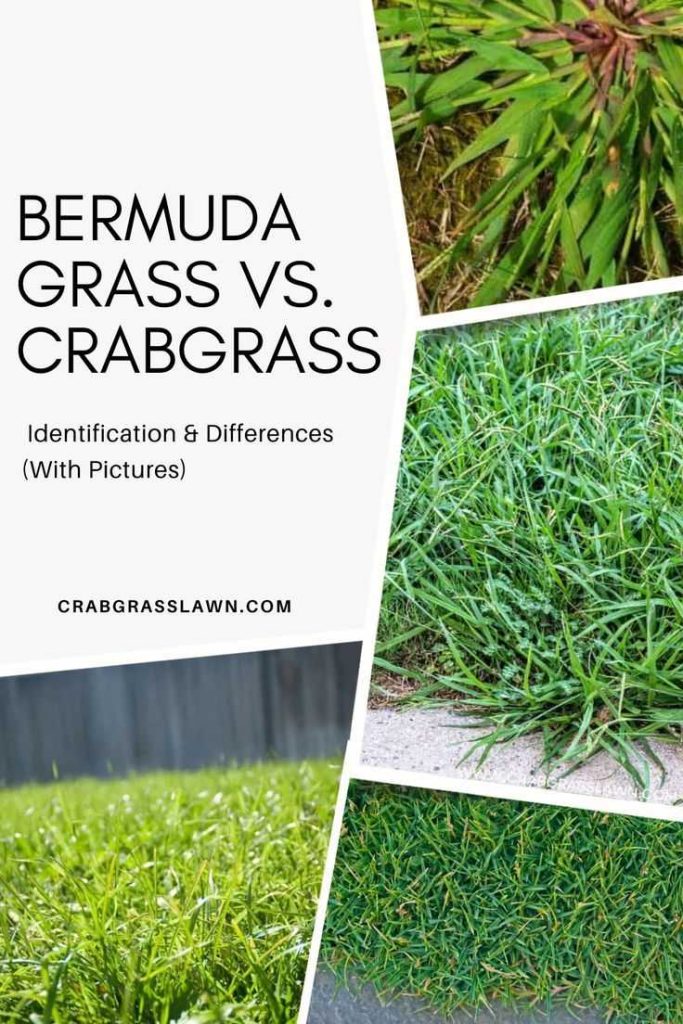
No, Bermuda grass and crabgrass are not the same, though they can look similar when they sprout. Bermuda grass is a warm-season, resilient turfgrass prized for its dense, lush growth, while crabgrass is a pesky annual weed that quickly invades and overtakes lawns. Understanding their differences can help you better maintain a healthy yard and control unwanted invaders.
Bermuda grass and crabgrass are often confused because they both thrive in warm weather and can appear in similar ways early in the season. However, they belong to entirely different categories of plants: Bermuda is a desirable turfgrass, whereas crabgrass is an invasive weed. Recognizing their distinct characteristics is key to effective lawn care. If you’re trying to keep your lawn looking its best, knowing what sets Bermuda grass apart from crabgrass will help you make informed decisions about watering, mowing, and weed management.

Is Bermuda Grass the Same as Crabgrass?
Understanding the Basics of Bermuda Grass and Crabgrass
Bermuda grass and crabgrass are both types of grasses commonly found in lawns, but they are very different plants. Bermuda grass is a warm-season grass that provides a lush, dense turf. Crabgrass, on the other hand, is a weed that can quickly invade lawns and disrupt their appearance. Recognizing these differences helps homeowners identify and manage each properly.
What Is Bermuda Grass?
Bermuda grass is a popular turfgrass choice in warmer regions. It has a fine texture and a rich green color, making it ideal for lawns, sports fields, and golf courses. This grass grows best in full sunlight and prefers well-drained soils. It spreads by both above-ground runners called stolons and underground rhizomes, allowing it to fill in bare spots quickly.
Characteristics of Bermuda Grass
- Warm-season grass that thrives in temperatures above 75°F
- Very drought-tolerant once established
- Requires regular mowing to maintain a healthy height
- Resistant to heavy foot traffic
- Can turn brown during winter but recovers with warmer weather
What Is Crabgrass?
Crabgrass is an aggressive annual weed that appears in lawns during the warmer months. It gets its name because of its sprawling growth habit, which resembles crab claws spreading outward. Crabgrass is often considered a nuisance because it crowds out desirable grasses and is difficult to control once established.
Characteristics of Crabgrass
- Annual plant that completes its life cycle in one year
- Prefers full sunlight and poor, compacted soil
- Produces seed heads that look like fluffy umbrellas
- Grows quickly and spreads through seeds and spreading stems
- Typically appears in late spring through summer
How to Differentiate Bermuda Grass and Crabgrass
Differentiating Bermuda grass from crabgrass is crucial for proper lawn care. Although they may resemble each other temporarily, especially during the early stages of growth, there are clear differences.
Visual Differences
| Feature | Bermuda Grass | Crabgrass |
|---|---|---|
| Growth habit | Dense, upright turf | Sprawling, patchy patches |
| Color | Medium to dark green | Light green or bluish-green |
| Leaf texture | Fine, smooth leaves | Coarse, wider leaves |
| Seed head | Rarely produces prominent seed heads | Distinct fluffy seed heads |
Growth Timing
Bermuda grass enters active growth in late spring and remains throughout summer. Crabgrass appears later in spring and peaks during mid to late summer. Recognizing these timing differences can help identify which plant is which.
Impact on Lawns and Landscaping
Understanding how Bermuda grass and crabgrass impact the lawn helps with proper management.
Benefits of Bermuda Grass
- Provides a durable and attractive lawn surface
- Resists drought and high traffic
- Prevents soil erosion
Problems Caused by Crabgrass
- Competes with healthy grass for nutrients and water
- Creates unsightly patches in lawns
- Harder to remove once established
- Reduces overall lawn aesthetic
Managing and Controlling Crabgrass While Cultivating Bermuda Grass
Proper lawn care techniques help promote Bermuda grass while controlling crabgrass.
Prevention Strategies
- Apply a pre-emergent herbicide early in spring before crabgrass seeds germinate
- Maintain a healthy lawn through proper fertilization and watering
- Mow at the recommended height for Bermuda grass to shade out weeds
Control Methods
- Spot-treat crabgrass with post-emergent herbicides during active growth
- Manual removal of crabgrass patches to prevent seeds from spreading
- Overseeding bare patches with Bermuda grass to outcompete crabgrass
Best Practices for Lawn Health
A healthy Bermuda grass lawn naturally suppresses weed growth, including crabgrass.
Maintenance Tips
- Water deeply but infrequently to promote deep root growth
- Fertilize regularly with a balanced lawn fertilizer
- Mow at the correct height — typically around 1.5 to 2 inches for Bermuda grass
- Aerate the soil periodically to improve drainage and root health
Related Topics and Considerations
In addition to understanding Bermuda grass and crabgrass, consider the following for comprehensive lawn care:
Soil Testing and Improvement
Testing soil nutrient levels ensures your lawn has the right pH and nutrients for healthy Bermuda grass growth, helping prevent crabgrass invasion.
Choosing the Right Lawn Products
Select herbicides and fertilizers suitable for your grass type and local climate for best results while maintaining safety and environmental health.
Seasonal Lawn Care
Adjust your lawn maintenance routine based on the season to promote optimal growth and minimize weed problems year-round.
Dealing with Other Lawn Weeds
Learn to identify and control other common weeds that can also threaten your Bermuda grass lawn, such as dollarweed or sedge.
By understanding the distinctions and similarities between Bermuda grass and crabgrass, homeowners can better care for their lawns. Regular maintenance coupled with targeted herbicide application helps keep your lawn lush, healthy, and free from unwanted weeds. Proper identification and timely management are essential to enjoying a beautiful, resilient yard that stands up to weeds and provides enjoyment for years to come.
Bermuda Grass, Dallis Grass and Crabgrass
Frequently Asked Questions
Are bermuda grass and crabgrass botanically related?
No, bermuda grass and crabgrass are not botanically related. Bermuda grass is a warm-season perennial grass that belongs to the Poaceae family, while crabgrass is a type of weed from the Digitaria genus. They have different growth habits and biological characteristics.
How can I identify bermuda grass versus crabgrass in my lawn?
Bermuda grass has dense, fine-textured blades with a bluish-green appearance and spreads through both runners and seeds. Crabgrass typically has coarse, broad leaves and grows in a clumping pattern with light green to reddish tint. Crabgrass usually appears in bare or thin patches and tends to have a more erratic growth pattern.
Do bermuda grass and crabgrass require different lawn care strategies?
Yes, they do. Bermuda grass benefits from regular mowing, fertilization, and watering, while crabgrass control involves pre-emergent herbicides and removing existing patches. Proper lawn maintenance encourages Bermuda grass to thrive and reduces the chances of crabgrass infestation.
Can crabgrass replace bermuda grass if it takes over my lawn?
Crabgrass can quickly spread across a lawn but does not provide the same dense, durable coverage as bermuda grass. If crabgrass takes over, you will need to take steps to remove it and reseed with bermuda grass to restore a healthy, uniform lawn.
Are there any environmental differences between bermuda grass and crabgrass?
Bermuda grass is well-suited to warm temperatures and drought conditions, making it a popular choice for lawns in hot climates. Crabgrass also thrives in warm weather but prefers disturbed soils and areas with poor maintenance. Their growth patterns reflect their adaptability to different environmental conditions.
Final Thoughts
Bermuda grass and crabgrass often get confused, but they are different types of grasses. Bermuda grass is a warm-season turf known for its dense and resilient growth, ideal for lawns. Crabgrass, on the other hand, is a weed that invades and spreads quickly during summer.
While Bermuda grass is intentionally planted, crabgrass appears as an unwanted pest. They differ in appearance, growth patterns, and management strategies.
In conclusion, is Bermuda grass the same as crabgrass? No, they are distinct plants with different roles in the lawn ecosystem. Recognizing these differences helps maintain a healthy, attractive yard.