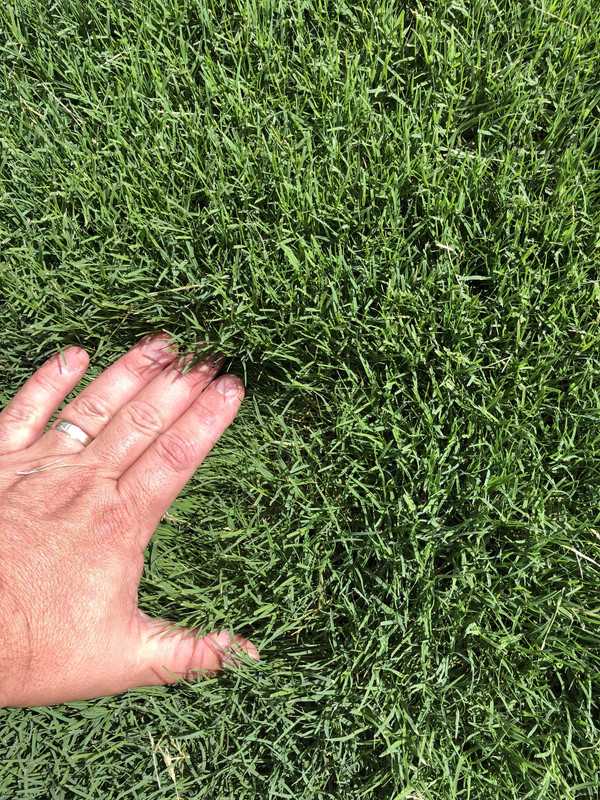
Yes, Bermuda grass can be quite soft underfoot, making it a comfortable surface for walking. Its dense, fine texture provides a cushioned feel that’s pleasant to stroll on, especially after proper maintenance. Overall, Bermuda grass is known for its softness, which enhances outdoor comfort and usability.
Bermuda grass is generally soft and inviting to walk on, thanks to its dense growth and fine blades. With proper care, it creates a lush, cushioned surface ideal for walking, playing, or relaxing outside. This makes it a popular choice for lawns and sports fields alike, where comfort underfoot matters. Whether you’re planning a backyard oasis or a sports turf, Bermuda grass offers both durability and a pleasing softness that adds to outdoor enjoyment.
If you’re wondering whether Bermuda grass provides a comfortable, soft surface for walking, the good news is that it usually does. Its fine, dense blades create a plush feel underfoot, which many find more comfortable than coarser grasses. To keep it soft and inviting, regular watering, mowing, and fertilizing help maintain its lushness and cushioning effect. Overall, Bermuda grass is an excellent option for creating a walkable, welcoming outdoor space with a soft, natural feel.

Is Bermuda Grass Soft to Walk On?
Understanding Bermuda Grass and Its Popularity
Bermuda grass is a warm-season turfgrass that many people love for its durability and lush appearance. It is widely used in lawns, sports fields, and golf courses because it thrives in hot climates. Its dense growth makes it resistant to foot traffic, which is perfect for active outdoor spaces.
Texture of Bermuda Grass: Is It Soft or Firm?
Many wonder if Bermuda grass feels soft underfoot. The texture of Bermuda grass can vary depending on how it is maintained. Generally, when properly cared for, Bermuda grass feels firm but not hard, giving a comfortable surface for walking.
Factors That Influence the Softness of Bermuda Grass
There are several factors that determine how soft Bermuda grass feels when walked on. These include mowing height, fertilization, watering practices, and grass variety. Proper management ensures a softer, more inviting surface.
Mowing Height and Its Effect on Softness
Mowing Bermuda grass too short makes it feel stiff and brittle underfoot. Keeping the grass at a height of about 1.5 to 2 inches encourages a softer feel. Taller grass blades create a cushiony surface, making walking more comfortable.
Nutrition and Fertilization Practices
Applying the right amount of fertilizer promotes healthy, thick growth. Dense and lush Bermuda grass tends to be softer because the blades are more evenly distributed. Over-fertilization can lead to thatch build-up, which may make the surface feel uneven and less soft.
Watering and Its Role in Softness
Consistent watering helps maintain optimal grass health. Well-watered Bermuda grass is softer to walk on because it remains hydrated and resilient. Avoiding drought stress prevents the grass from becoming rigid and brittle.
Grass Density and Its Impact on Comfort
A dense Bermuda grass lawn provides a soft, springy surface for walking. When the grass is sparse or patchy, the ground beneath becomes exposed, creating uneven and uncomfortable spots. Regular overseeding and aeration can improve density and softness.
Understanding Thatch and Its Effect
Thatch is a layer of dead grass and roots between the soil and green blades. Excessive thatch can make Bermuda grass feel less soft and more spongy or hard. Managing thatch with dethatching tools helps restore a softer surface.
Comparing Bermuda Grass to Other Turfgrasses
While Bermuda grass is often considered hardy and resilient, some other grasses might offer a softer feel. For example, Kentucky bluegrass and fescue are known for their plush texture. However, they may not tolerate heat as well as Bermuda.
Advantages of Bermuda Grass for Softness
Bermuda grass provides a firm yet comfortable surface when maintained correctly. Its rapid growth and ability to recover from wear make it suitable for active yards where softness is desired without sacrificing durability.
Limitations to Consider
Despite its benefits, Bermuda grass can become tough and less soft if over-mowed or poorly fertilized. It also becomes dormant and appears brown during cooler months, reducing its softness and aesthetic appeal.
Best Practices for Making Bermuda Grass Softer
To maximize softness, homeowners and landscapers should follow best lawn care practices. These include adjusting mowing heights, watering wisely, feeding appropriately, and aerating regularly.
Proper Mowing Techniques
Using sharp blades and mowing at the right height creates a smooth and soft surface. Avoid cutting more than one-third of the grass height at once to prevent stress and brittleness.
Water Management
Deep, infrequent watering encourages deep root growth, resulting in stronger, softer turf. Water early in the day to reduce evaporation and fungal issues.
Fertilization Schedules
Applying a balanced fertilizer every six to eight weeks supports lush growth. Be sure to match fertilizer type and amount to the season and grass health.
Aeration and Overseeding
Aerating improves soil compaction, allowing nutrients and water to reach roots more efficiently. Overseeding fills in bare patches, increasing density and softness for walking.
Additional Tips for Enhancing Comfort and Softness
Besides standard practices, homeowners can take extra steps to make Bermuda grass more walkable and comfy.
- Use lawn roller after mowing to flatten uneven areas.
- Apply topdressings like compost or soil to improve soil quality.
- Limit heavy foot traffic during drought periods to prevent turf stress.
- Maintain proper pH levels to support healthy grass growth.
Related Topics: Enhancing Your Lawn’s Softness and Safety
Ensuring your Bermuda grass is softer not only boosts comfort but also reduces injury risks.
Choosing the Right Grass for Your Climate
Select a variety of Bermuda grass suited to your local climate to ensure healthy, soft turf year-round.
Incorporating Mulch and Ground Cover
Adding mulch or ground cover around the lawn edges can cushion walking areas and reduce soil erosion.
Addressing Common Issues
Problems like pests, disease, or compaction can compromise softness. Regular inspections and timely treatments keep your lawn in top condition.
Safety Tips for Walking on Bermuda Grass
Wear supportive footwear and watch for uneven patches that may cause tripping. Regular maintenance keeps the surface safe and inviting.
Properly maintained Bermuda grass can feel quite soft to walk on when you follow recommended lawn care practices. Adjusting mowing height, watering regime, fertilization, and addressing thatch are key steps. With consistent effort and thoughtful management, your Bermuda lawn will offer a comfortable, lush surface suitable for walking and outdoor activities.
Bermuda tips and tricks, top 10 mistakes on bermuda lawns
Frequently Asked Questions
How does Bermuda grass feel underfoot compared to other types of grass?
Bermuda grass generally feels soft and comfortable when walked on, especially when it is well-maintained and properly mowed. Unlike some coarse or dense grasses, Bermuda offers a smooth surface that makes walking pleasurable. Its fine texture creates a gentle cushioning effect, reducing fatigue during extended periods of standing or walking.
Does the softness of Bermuda grass change with the seasons?
Yes, the softness of Bermuda grass can vary throughout the year. During the warmer months, the grass tends to grow vigorously and feel softer due to optimal growth conditions. In cooler seasons, the grass may become slightly less plush and more dormant, which can make it feel a bit firmer underfoot. Proper lawn care helps maintain a soft, inviting surface year-round.
What factors influence the walkability and softness of Bermuda grass in a yard?
Several factors affect how soft Bermuda grass feels when walking on it. Regular watering ensures the grass remains healthy and resilient. Proper mowing height keeps the blades fine and soft, while adequate fertilization promotes lush growth. Additionally, controlling pests and weeds prevents uneven patches, maintaining a consistent, comfortable surface for walking.
Can heavy foot traffic damage Bermuda grass and affect its softness?
Heavy foot traffic can compact Bermuda grass and develop bare patches, which may reduce its overall softness. Compacted soil limits the grass’s ability to grow densely, making the surface feel harder. Regular aeration and proper maintenance help alleviate soil compaction, ensuring the lawn remains soft and comfortable for walking.
How can I improve the softness of my Bermuda grass lawn?
To enhance the softness of Bermuda grass, focus on maintaining optimal mowing heights and regular watering schedules. Applying the right amount of fertilizer encourages healthy, fine-textured growth. Aerating the soil prevents compaction and promotes lush turf development. These practices help keep your lawn soft and pleasant underfoot.
Final Thoughts
Bermuda grass offers a comfortable surface for walking, thanks to its dense, fine texture. Its soft feel makes it ideal for lawns and play areas, providing a gentle surface underfoot.
If maintained properly, Bermuda grass remains resilient and stays soft, even after frequent use.
In conclusion, is Bermuda grass soft to walk on? Yes, it provides a smooth, pleasant experience for walkers and children alike.