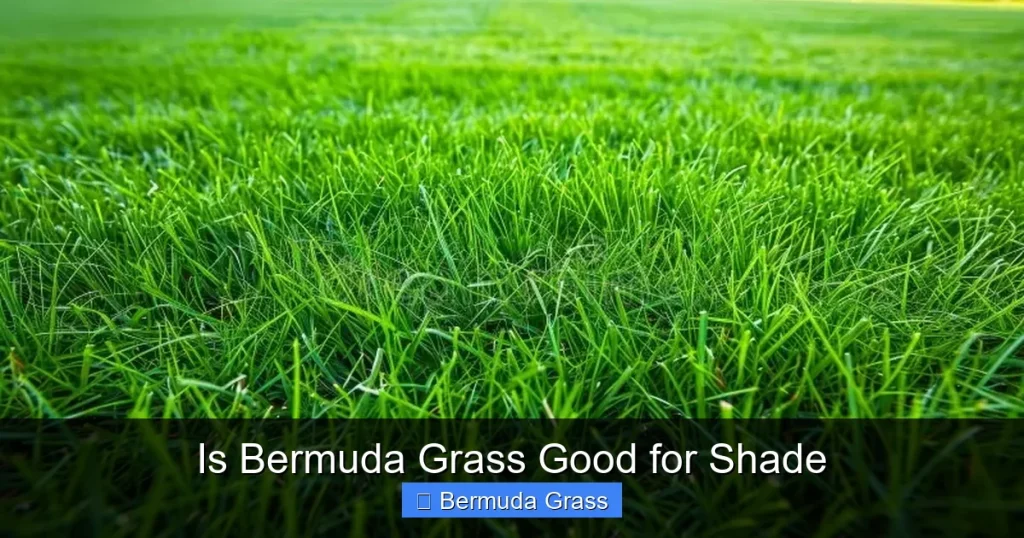
Bermuda grass is a popular warm-season turf known for its durability and lush green appearance. However, its performance in shaded areas is limited. This guide explores whether Bermuda grass is suitable for shade, how to grow it successfully in low-light conditions, and alternatives to consider for shaded lawns.
Is Bermuda Grass Good for Shade?
If you love the lush, green look of Bermuda grass, you might wonder if it can thrive in shaded parts of your lawn. Bermuda grass is a popular warm-season grass known for its durability and vibrant color. However, its success in shaded areas is limited. In this guide, we’ll explore whether Bermuda grass is suitable for shade, how to grow it successfully in low-light conditions, and what alternatives you can consider for shaded lawns.
Key Takeaways
- Bermuda grass prefers full sun: It thrives best with at least 6-8 hours of direct sunlight daily.
- Limited shade tolerance: Bermuda grass struggles in areas with less than 4 hours of sunlight, leading to thin, patchy growth.
- Choosing the right variety: Some Bermuda grass cultivars are more shade-tolerant but still require significant sunlight.
- Proper maintenance tips: Regular mowing, fertilizing, and watering promote healthy growth, even in partial shade.
- Alternative grasses for shade: Consider other turf types like Zoysia, St. Augustine, or Fescue for shaded areas.
- Preparing shaded areas: Improve light conditions by trimming trees and removing obstructions to help Bermuda grass grow better.
Understanding Bermuda Grass and Its Light Needs
Bermuda grass (Cynodon dactylon) is a warm-season turfgrass that thrives in hot, sunny climates. It’s famous for its drought tolerance, wear resistance, and dense growth. However, it has specific light requirements to stay healthy and vibrant.
Typically, Bermuda grass needs at least 6 to 8 hours of direct sunlight daily to grow optimally. This amount of sunlight supports its photosynthesis process, ensuring vigorous growth and a lush green appearance.
In shaded areas, where sunlight is limited, Bermuda grass often becomes thin, patchy, and more susceptible to weeds and diseases. This leads many homeowners to ask: is Bermuda grass good for shade?
Can Bermuda Grass Grow in Shade?
Limited Shade Tolerance
Unfortunately, Bermuda grass is not well-suited for shaded areas. It is classified as a full-sun grass, meaning it performs poorly with less than 4 hours of direct sunlight. In such conditions, it struggles to produce enough energy through photosynthesis, resulting in weakened growth.
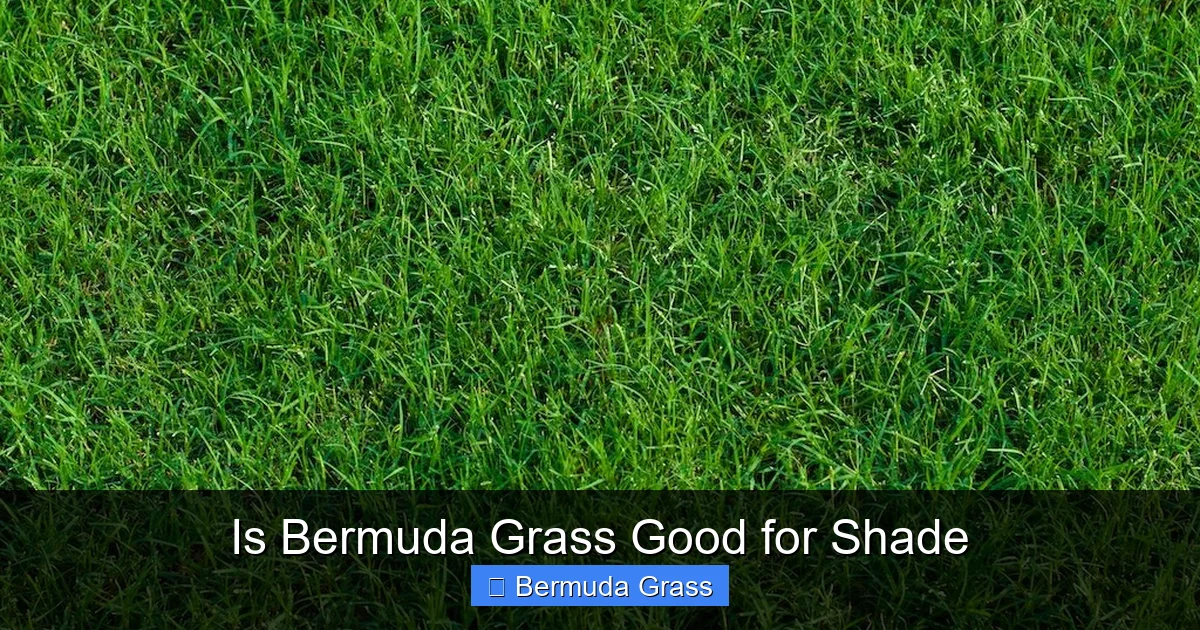
Visual guide about Is Bermuda Grass Good for Shade
Image source: production-next-images-cdn.thumbtack.com
In shaded zones, Bermuda grass may turn yellow or brown, become patchy, and lose its dense, uniform appearance. Over time, these conditions can lead to invasive weeds taking over the bare spots.
What Happens When Bermuda Grass Is in the Shade?
- Thin, Patchy Growth: The grass becomes sparse and uneven.
- Color Loss: The lush green fades to dull yellow or brown.
- Increased Weed Pressure: Weak Bermuda grass allows weeds to invade.
- Higher Maintenance: It requires more effort to keep in good condition.
Growing Bermuda Grass in Shaded Areas: Is It Possible?
Strategies for Improving Success
While Bermuda grass is not naturally shade-tolerant, you can implement strategies to improve its chances of survival in partial shade:
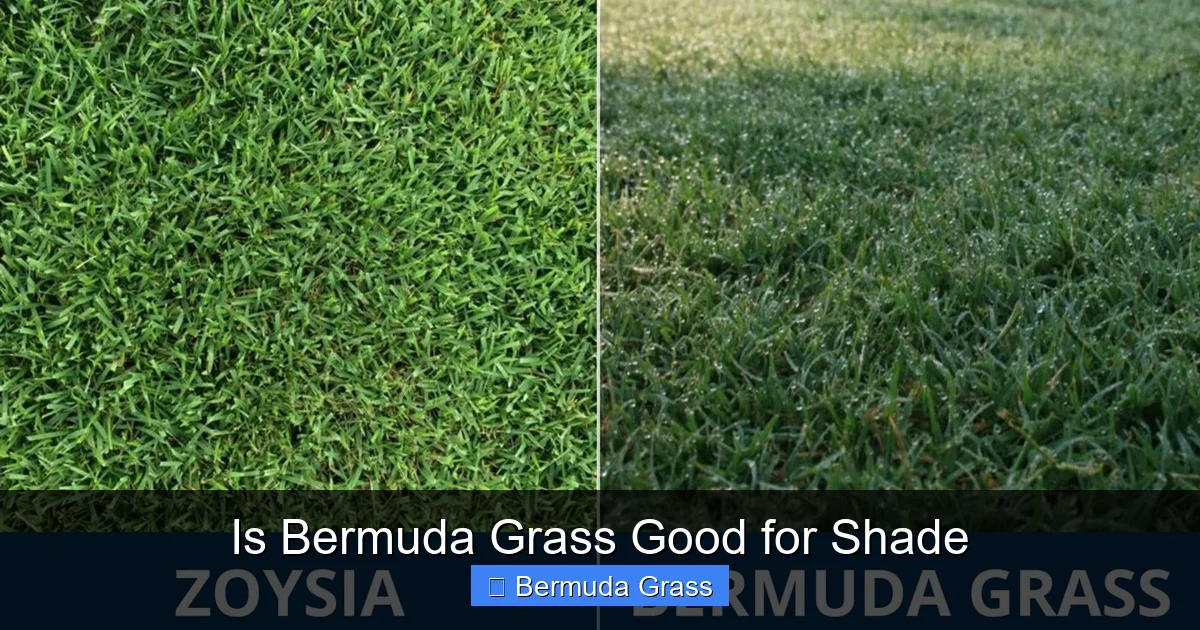
Visual guide about Is Bermuda Grass Good for Shade
Image source: i.pinimg.com
- Increase Sunlight Exposure: Trim overhanging trees and remove obstacles that cast shadows on the lawn.
- Choose the Right Variety: Some Bermuda cultivars are slightly more tolerant of shade, such as TifGrand or Tifway 419, but they still need plenty of sunlight.
- Proper Lawn Care: Maintain healthy soil, water appropriately, and fertilize regularly to promote vigorous growth.
- Soil Preparation: Improve soil drainage and fertility to help the grass withstand less optimal light conditions.
Tips for Growing Bermuda Grass in Partial Shade
1. Assess Your Shade Levels
Before planting, determine how much sunlight your shaded area receives daily. Use a sunlight tracker or simply observe the area throughout the day.
2. Optimize Light Conditions
Prune trees, shrubs, or remove any branches that block sunlight. Clear away debris that might cast additional shadows.
3. Select Suitable Bermuda Cultivars
Look for more shade-tolerant Bermuda varieties like TifGrand, which can handle a little more shade than traditional types.
4. Prepare the Soil
Test your soil to ensure proper pH and nutrient levels. Amend with compost or fertilizers as needed to boost growth.
5. Proper Watering and Fertilization
Water deeply but infrequently, especially during hot months. Fertilize with a balanced fertilizer to encourage lush, healthy growth.
6. Regular Maintenance
Keep mowing at the recommended height (about 1-2 inches) and aerate the soil annually to promote healthy root development.
Alternatives to Bermuda Grass for Shaded Lawns
If your lawn remains heavily shaded or if Bermuda grass continues to struggle, consider other turfgrass options more tolerant of shade:
- Zoysia Grass: Tolerates partial shade and is drought-resistant. It forms a dense, lush lawn.
- Fescue: A cool-season grass that thrives in shade, ideal for areas with less sunlight.
- St. Augustine Grass: Performs well in shaded, humid environments, though it prefers warm climates.
- Bermuda Grass Varieties: As mentioned earlier, some cultivars are more shade-tolerant but still require considerable sunlight.
Additional Tips for Maintaining Bermuda Grass in Partial Shade
- Monitor Growth Regularly: Keep an eye on how your Bermuda grass responds to the shaded environment.
- Adjust Lawn Care Practices: Be flexible with watering and fertilizing based on growth patterns.
- Be Patient: Grass in shaded spots may take longer to establish and may require extra care.
- Consider Lawn Alternatives: Sometimes, replacing grass with ground cover or mulch in heavily shaded areas is more practical.
Conclusion
In summary, Bermuda grass is not the best choice for heavily shaded areas. It requires full sun to stay healthy and vibrant. However, with proper planning—such as increasing light exposure and selecting shade-tolerant cultivars—you can improve its chances of thriving in partial shade.
If your lawn is consistently shaded or receives less than 4 hours of direct sunlight daily, consider alternative turfgrass options better suited for shade. Ultimately, understanding your specific light conditions and choosing the right grass or ground cover will help you achieve a beautiful, healthy lawn.
Remember, a healthy lawn starts with proper site assessment and tailored care. Whether you stick with Bermuda grass or opt for a shade-tolerant alternative, consistent maintenance will keep your outdoor space looking its best.