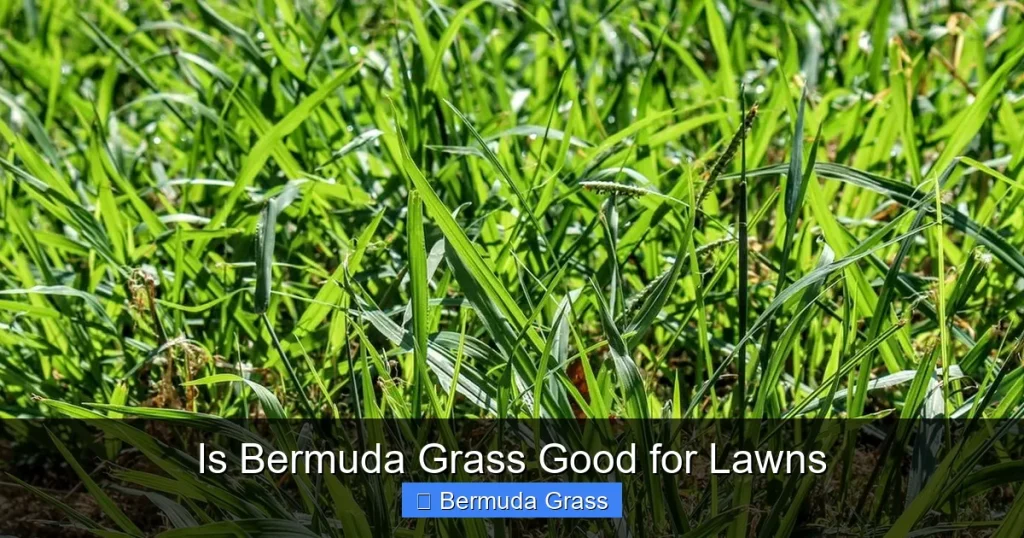
Bermuda grass is a popular turf option for lawns in warm climates. It’s known for its durability, drought tolerance, and lush appearance. This guide explores whether Bermuda grass is the right fit for your lawn needs, offering tips on planting, maintenance, and troubleshooting.
Key Takeaways
- Bermuda grass thrives in warm climates: It grows best in areas with full sun and high temperatures.
- Low water requirements: Bermuda grass is drought-tolerant, making it ideal for areas with water restrictions.
- Requires regular maintenance: To keep it healthy and lush, mowing, fertilizing, and aerating are essential.
- Good for high-traffic lawns: Its durability makes it perfect for sports fields and busy yards.
- Limited cold tolerance: Bermuda grass goes dormant in cold weather, which may affect its appearance in winter.
- Proper soil preparation is key: Ensuring well-drained soil enhances growth and health.
Introduction
If you’re considering a new lawn or looking to improve your existing one, you might wonder, “Is Bermuda grass good for lawns?” As one of the most popular warm-season grasses, Bermuda offers many benefits. It’s known for its lush look, resilience, and low water needs. However, it’s not perfect for every situation. In this guide, we’ll explore everything you need to know about Bermuda grass. From planting tips to maintenance and troubleshooting, you’ll learn whether it’s the right choice for your lawn.
What is Bermuda Grass?
Bermuda grass, scientifically called Cynodon dactylon, is a warm-season perennial grass. It’s native to Africa but now widely grown in the southern United States, Central America, and parts of Asia. It’s popular for lawns, sports fields, golf courses, and parks due to its durability and dense growth.
Visual guide about Is Bermuda Grass Good for Lawns
Image source: gardentabs.com
The grass forms a thick, carpet-like turf that can handle heavy foot traffic. It has a fine texture and a vibrant green color during the growing season. When conditions become cold, Bermuda grass goes dormant, turning brown until spring.
Advantages of Bermuda Grass for Lawns
1. Drought Tolerance
Bermuda grass can survive on less water compared to cool-season grasses. Its deep root system helps it access water from lower soil layers, making it ideal for areas with water restrictions or dry climates.

Visual guide about Is Bermuda Grass Good for Lawns
Image source: artisticlandscapes.com
2. Resilience and Durability
This grass is tough. It withstands heavy foot traffic, making it perfect for families, sports, and outdoor activities. It recovers quickly from damage, keeping your lawn looking lush.
3. Fast Growth and Recovery
Bermuda spreads quickly via rhizomes and stolons. This rapid growth helps repair patches and fill in bare spots fast, maintaining a uniform, dense lawn.
4. Heat Tolerance
It thrives in hot, sunny conditions. If you live in a warm climate, Bermuda grass can be a top choice for a vibrant, green lawn.
5. Low Maintenance Once Established
With proper care, Bermuda grass doesn’t require frequent watering or fertilizing. It’s relatively low-maintenance compared to some other turf grasses.
Challenges and Limitations of Bermuda Grass
1. Cold Sensitivity
Bermuda grass is not frost-hardy. In colder climates or during winter, it goes dormant, turning brown and losing its lush appearance.

Visual guide about Is Bermuda Grass Good for Lawns
Image source: soddepotflorida.com
2. Sunlight Requirements
This grass loves full sun. It struggles in shaded areas, resulting in patchy growth or thinning turf.
3. Soil Preparation Needed
Proper soil drainage and fertility are crucial. Poor soil can stunt growth or lead to disease.
4. Invasive Nature
It can spread beyond your lawn, invading flower beds or neighboring areas if not properly contained.
Is Bermuda Grass Suitable for Your Lawn?
Before planting Bermuda grass, consider your climate, yard conditions, and personal preferences. It’s best suited for:
- Warm regions: USDA zones 8-11.
- Full sun exposure: At least 6-8 hours of direct sunlight daily.
- Active outdoor lifestyles: High foot traffic areas.
If you experience cold winters or shaded yards, Bermuda might not be the best fit unless you’re willing to overseed or accept its dormant brown phase.
How to Plant Bermuda Grass
1. Choose the Right Time
The best time to plant Bermuda grass is late spring or early summer when soil temperatures reach at least 65°F (18°C). This promotes healthy germination and growth.
2. Prepare the Soil
- Clear the area: Remove weeds, rocks, and debris.
- Test the soil: Ensure it has a pH of 5.8-7.0. Amend if necessary.
- Improve drainage: Mix in organic matter if your soil is heavy clay or sandy.
3. Planting Methods
a. Sod
Lay Bermuda sod in a brick-like pattern, staggering seams. Water immediately after laying.
b. Seed
Spread Bermuda grass seed evenly over the prepared soil. Lightly rake to ensure good seed-to-soil contact. Keep moist until germination.
c. Sprigs or Plug Plants
Plant sprigs or plugs 6-12 inches apart for rapid coverage.
Watering and Fertilizing Your Bermuda Lawn
1. Watering Tips
- Keep soil consistently moist until established.
- Once mature, water deeply once or twice a week, depending on rainfall.
- Avoid overwatering, which can cause disease.
2. Fertilization Tips
- Apply a balanced fertilizer (e.g., 16-4-8) every 6-8 weeks during the growing season.
- Use slow-release fertilizers for steady nutrients.
- Adjust fertilization based on soil test results.
Mowing and Maintenance
1. Mowing Height
Maintain a height of 1-2 inches for optimal health and appearance. Mow regularly to avoid cutting more than one-third of the grass height at a time.
2. Aeration and Dethatching
Aerate once or twice a year to improve soil compaction. Dethatch if thatch layer exceeds 0.5 inches.
3. Pest and Disease Control
Watch for pests like grubs and diseases such as dollar spot. Use appropriate treatments as needed.
Troubleshooting Common Bermuda Grass Issues
- Patches or thinning: May be due to poor soil, pests, or shade. Improve soil health, reduce shade, or overseed bare spots.
- Brown or dormant areas in winter: Normal dormancy. Overseed with cool-season grasses if year-round green is desired.
- Invasive spreading: Contain edges and remove unwanted sprouts.
Conclusion
In summary, Bermuda grass can be an excellent choice for lawns in warm, sunny areas. Its durability, drought tolerance, and lush appearance make it popular among homeowners and landscapers. However, it requires proper planting, maintenance, and management to thrive. If your climate and yard conditions suit Bermuda grass, you’ll enjoy a beautiful, resilient lawn for years to come.
Remember, selecting the right grass depends on your local climate and specific lawn needs. With the right care, Bermuda grass can transform your outdoor space into a vibrant, inviting area for family fun and outdoor activities.