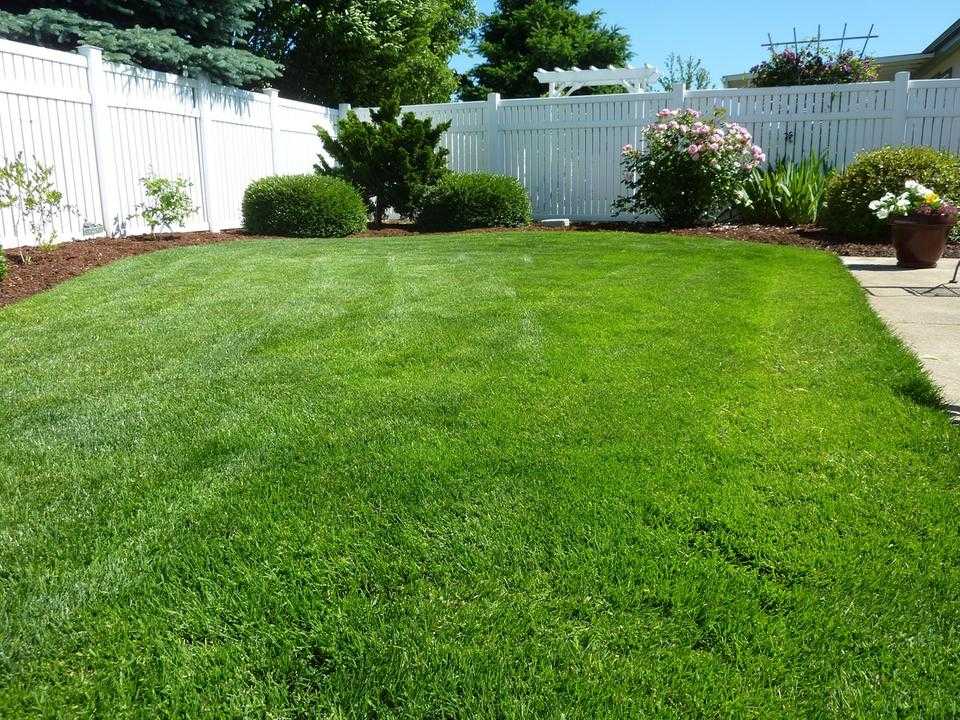
Looking to transform your San Diego yard into a lush, green paradise? Bermuda grass is the perfect choice for sunny climates, offering a dense, durable turf that stays vibrant year-round. The key is matching the grass’s needs with your local environment and maintenance routine.
In brief, Bermuda grass thrives in San Diego’s warm weather and requires regular watering, mowing, and fertilization to stay healthy. Proper installation and ongoing care ensure a resilient, attractive lawn that can withstand foot traffic and drought conditions typical of the area.
If you’re aiming for a stunning, low-maintenance lawn in San Diego, Bermuda grass could be your best bet. Known for its heat tolerance and quick growth, this grass type creates an inviting outdoor space perfect for families and outdoor gatherings. To succeed, prepare your soil well, choose the right variety, and give your lawn consistent care. With the right approach, your yard can become the envy of the neighborhood, giving you a beautiful outdoor retreat that lasts for years.

Bermuda Grass San Diego: The Perfect Turf Choice for Southern California Lawns
Introduction to Bermuda Grass in San Diego
Bermuda grass is widely recognized as a top option for lawns in San Diego. Its resilience and heat tolerance make it ideal for the region’s warm climate. Homeowners value Bermuda grass because it requires less water and maintenance compared to other grasses.
Why Choose Bermuda Grass in San Diego?
Bermuda grass thrives in the sunny and dry conditions typical of San Diego. It is known for its ability to grow quickly and recover from damage easily. This grass type provides a lush, green lawn that stays vibrant throughout most of the year.
Climate Compatibility of Bermuda Grass
San Diego’s Mediterranean climate, with hot summers and mild winters, suits Bermuda grass perfectly. The grass needs direct sunlight for at least six hours daily to grow well. Its drought resistance helps conserve water, which is crucial in California’s dry seasons.
Temperature Tolerance
Bermuda grass can handle temperatures up to 105°F without issue. During the cooler winter months, it might go dormant but will regrow with the onset of warmer weather. This dormancy does not harm the grass but helps it conserve energy.
Types of Bermuda Grass Suitable for San Diego
There are several Bermuda grass varieties ideal for San Diego lawns. Each has unique features suited to different homeowner needs.
Common Bermuda Grass Varieties
- Common Bermuda: Easy to establish and maintain, suitable for high traffic areas.
- Tift Bermuda: Known for finer texture and darker color, excellent for aesthetics.
- Celebration Bermuda: Tolerant to drought and shade, perfect for varied yard conditions.
Choosing the Right Variety
Select a Bermuda grass type based on your lawn’s sunlight exposure, usage, and water availability. Consulting with a local turf specialist can help in choosing the most suitable variety.
Planting and Establishment of Bermuda Grass in San Diego
Growing Bermuda grass in San Diego involves specific steps for success. Proper planting leads to a healthy, dense turf that can withstand the local climate.
Methods of Planting Bermuda Grass
- Sod: Quickest way to establish a lawn, providing instant coverage.
- Seeds: More cost-effective but requires more care for germination.
- Sprigs: Small pieces of Bermuda grass, an affordable intermediate option.
Best Time to Plant
Plant Bermuda grass during late spring to early summer when soil temperatures are warm. This period encourages faster germination and establishment.
Preparation and Soil Conditions
Ensure the soil is well-drained and has good nutrient content. Aerate existing lawns if necessary and add compost to improve soil health. Proper preparation results in stronger root development.
Proper Maintenance of Bermuda Grass in San Diego
Maintaining Bermuda grass involves regular watering, mowing, fertilizing, and pest control.
Watering Guidelines
Bermuda grass prefers deep, infrequent watering to promote deep roots. During hot summer months, water approximately two to three times weekly. Ensure irrigation covers the entire lawn evenly.
Mowing Practices
Routine mowing keeps Bermuda grass healthy and encourages dense growth. Maintain a height of about 1 to 1.5 inches for optimal results. Avoid cutting more than one-third of the grass height at once.
Fertilization Tips
Apply a balanced fertilizer rich in nitrogen every six to eight weeks during the growing season. This boosts color, growth, and overall lawn health.
Pest and Weed Control
Common pests like grubs and armyworms can threaten Bermuda lawns. Use appropriate pest control methods as needed. Regularly inspect for weeds and remove them promptly to prevent competition.
Dealing with Common Bermuda Grass Problems in San Diego
Despite its advantages, Bermuda grass can face challenges such as disease, pests, and cold stress.
Signs of Disease
Fungal infections like dollar spot and brown patch can affect Bermuda lawns. Proper watering and aeration help prevent these issues.
Pest Management
Control pests early with targeted treatments, and maintain healthy turf to resist infestations. Proper fertilization and watering improve plant resilience.
Winter Dormancy and Recovery
Bermuda grass may turn brown in winter but will restart with warm weather. Avoid heavy traffic on dormant grass to prevent damage during this period.
Comparing Bermuda Grass to Other Lawn Options in San Diego
Other grasses like St. Augustine or Zoysia may seem appealing but often require more water or maintenance.
Advantages of Bermuda Grass
- Low water needs
- High drought tolerance
- Fast growth and recovery
- Ability to withstand high foot traffic
Potential Drawbacks
- Requires full sun for optimal growth
- May turn brown in winter in cooler areas
- Can be invasive if not properly contained
Additional Tips for Maintaining a Green Bermuda Lawn in San Diego
To keep Bermuda grass lush and vibrant, follow some extra care tips.
Seasonal Adjustments
Reduce watering and fertilizing during cooler months. Increase watering during heatwaves to prevent drought stress.
Preventing Thatch Build-up
Core aerate annually to remove excessive thatch, which can suppress healthy grass growth.
Overseeding and Renovation
Overseed with Bermuda grass in dormant areas to fill in patches. Renovate damaged sections promptly for a uniform appearance.
Enhancing Lawn Aesthetics
Fertilize with micronutrients and regularly prune edges for a clean look. Mulching around the lawn helps retain moisture and suppress weeds.
Environmental Benefits of Bermuda Grass in San Diego
Choosing Bermuda grass can also benefit the environment. Its low water requirements conserve resources. Dense lawns reduce soil erosion and help filter pollutants.
Cost Considerations for Bermuda Grass in San Diego
Initial planting costs vary depending on the method chosen. Sod is more expensive but provides instant results, while seed is cheaper but takes longer to establish.
Ongoing Maintenance Expenses
Regular watering, fertilization, and pest control are ongoing costs. Investing in quality care ensures a durable, long-lasting lawn.
Local Resources for Bermuda Grass in San Diego
San Diego offers many resources, including local nurseries and lawn care specialists. They can advise on the best Bermuda grass types and proper maintenance techniques.
Professional Lawn Care Services
Hiring experienced landscapers can save time and guarantee professional results. They understand the specific needs of Bermuda grass in San Diego’s climate.
DIY Tips for Homeowners
Regularly monitor your lawn for signs of issues. Use drought-tolerant fertilizers and water-efficient irrigation systems to optimize care.
Summary
Bermuda grass stands out as a top turf choice for San Diego properties thanks to its adaptability, drought tolerance, and ease of care. Proper selection, planting, and maintenance ensure a beautiful, resilient lawn that can withstand the region’s climate challenges. Whether you prefer sod or seed, understanding the needs of Bermuda grass helps foster a healthy, inviting outdoor space you can enjoy year-round.
Bermuda Lawn Care – 5 Basics – For A Nice Green Lawn – Beginners Start Here!
Frequently Asked Questions
What factors should I consider when planting Bermuda grass in San Diego?
When planting Bermuda grass in San Diego, consider the climate, soil type, and sunlight exposure. Bermuda grass thrives in warm temperatures and requires at least 6 hours of direct sunlight daily. Ensure the soil drains well and has sufficient nutrients. Proper preparation, including aeration and fertilization, promotes healthy growth. Additionally, select a Bermuda grass variety suited for the area’s specific conditions to achieve the best results.
How often should I water Bermuda grass to maintain a healthy lawn in San Diego?
In San Diego, Bermuda grass typically needs watering 2 to 3 times a week during peak growing seasons. Each session should provide enough moisture to penetrate about 6 inches into the soil, encouraging deep root development. During cooler months, reduce watering frequency. Using a watering schedule aligned with local weather patterns helps prevent overwatering and keeps the lawn resilient and lush.
What are common challenges when growing Bermuda grass in San Diego, and how can I address them?
Common issues include drought stress, invasive weeds, and pest problems. To combat drought stress, ensure proper irrigation and apply drought-resistant fertilizers. Prevent weeds by maintaining a healthy, dense lawn, which leaves less space for invasive species. Regularly inspect for pests like armyworms or grubs, and treat infestations promptly with appropriate pest control methods. Maintaining good lawn care practices keeps Bermuda grass healthy and resilient amid these challenges.
When is the best time to overseed or repair Bermuda grass in San Diego?
The best time to overseed or repair Bermuda grass in San Diego is during late spring or early summer when soil temperatures reach around 65°F to 70°F. These conditions encourage quick germination and establishment. Avoid overseeding during cooler months to ensure successful growth. Proper preparation, including mowing and soil aeration, enhances seed-to-soil contact for optimal results.
How can I manage pests and diseases affecting Bermuda grass in San Diego?
Prevent pests and diseases by maintaining a healthy, dense lawn through proper fertilization, watering, and mowing practices. Regularly inspect your lawn for signs of pests like grubs or chinch bugs, and treat infestations early with targeted insecticides. For diseases such as dollar spot or fungal infections, improve air circulation and avoid overwatering. Applying appropriate fungicides and practicing good lawn hygiene help keep Bermuda grass healthy and free from common issues.
Final Thoughts
Bermuda grass in San Diego offers an excellent choice for maintaining a lush, green lawn year-round. Its drought tolerance makes it ideal for the region’s climate, reducing water use and maintenance costs. Proper care ensures Bermuda grass stays healthy and vibrant. Considering these benefits, Bermuda grass San Diego remains a popular option for homeowners seeking a resilient, attractive lawn.