Bermuda grass is widely recognized as a warm-season grass that thrives in hot, sunny climates. It is popular for lawns, sports fields, and golf courses because of its durability and heat tolerance. In this guide, you’ll learn everything about Bermuda grass’s seasonal preferences, care tips, and how to ensure it stays lush and healthy.
Key Takeaways
- Bermuda grass is a warm-season grass: It grows best in hot climates and thrives during summer months.
- Optimal temperature range: Bermuda prefers temperatures between 75°F and 95°F for optimal growth.
- Seeding and planting: It is best planted in late spring when soil temperatures are warm enough.
- Maintenance tips: Regular mowing, watering, and fertilization help keep Bermuda healthy during its active season.
- Cold tolerance: Bermuda grass goes dormant in cold weather, turning brown and slowing growth.
- Climate zones: Ideal for USDA zones 8-11, where warm-season grasses flourish.
- Transition seasons: It goes dormant in winter in cooler zones but remains evergreen in warm climates.
Introduction
If you’re considering planting or maintaining a lawn with Bermuda grass, one of the first questions is whether it is a warm-season grass. Understanding its seasonal preferences is key to proper care, ensuring your lawn remains lush, healthy, and vibrant. In this comprehensive guide, we’ll explore whether Bermuda grass is a warm-season grass, its growth habits, ideal climate zones, and tips for keeping it thriving throughout its active season.
What Is Bermuda Grass?
Bermuda grass (Cynodon dactylon) is a popular warm-season turfgrass known for its durability, heat tolerance, and drought resistance. It has a fine to medium texture and forms dense, lush lawns that are perfect for sports fields, golf courses, and residential yards. Its ability to recover quickly from wear makes it a favorite among landscapers in warmer climates.

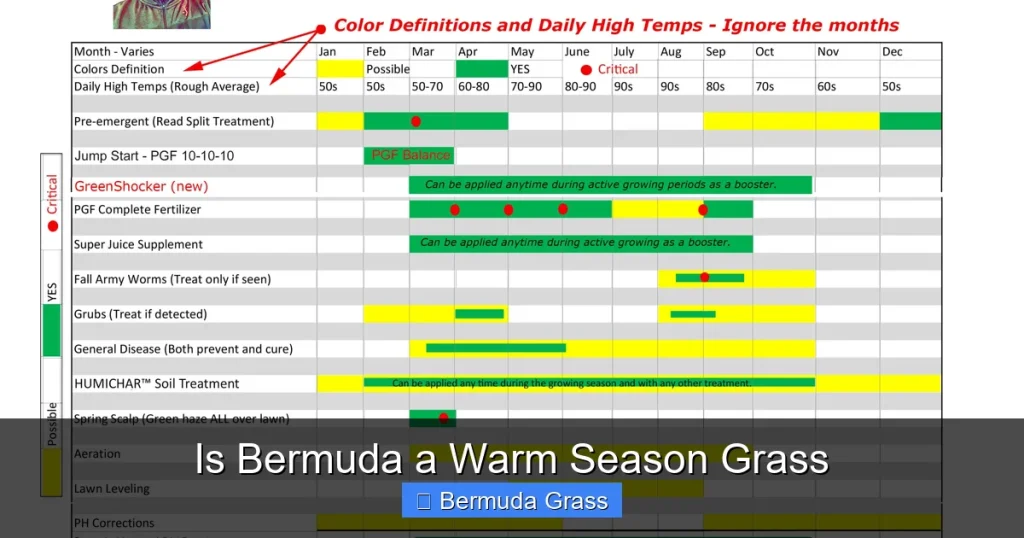
Visual guide about Is Bermuda a Warm Season Grass
Image source: barefootlawncare.com
Is Bermuda a Warm-Season Grass?
Understanding Warm-Season Grasses
Warm-season grasses are types of grass that grow optimally during the hotter months of the year. They are adapted to thrive in climates with high temperatures and long, hot summers. These grasses typically go dormant during cooler months, turning brown or dormant until temperatures rise again.

Visual guide about Is Bermuda a Warm Season Grass
Image source: cdn11.bigcommerce.com
Why Bermuda Grass Is a Warm-Season Grass
Bermuda grass is classified as a warm-season grass because it exhibits all the characteristics typical of this group:
- Growth cycle: It actively grows during late spring through summer and into early fall.
- Temperature preference: It performs best when daytime temperatures are between 75°F and 95°F.
- Dormancy period: It goes dormant and turns brown during cold weather, typically in winter in cooler zones.
This makes Bermuda an excellent choice for warm climates where summers are long and hot, but it may struggle in cooler, temperate zones.
Climate and Zones Suitable for Bermuda Grass
Bermuda grass thrives in USDA zones 8 through 11. These areas experience warm to hot summers and mild winters, allowing Bermuda to grow year-round or seasonally with dormancy in winter.
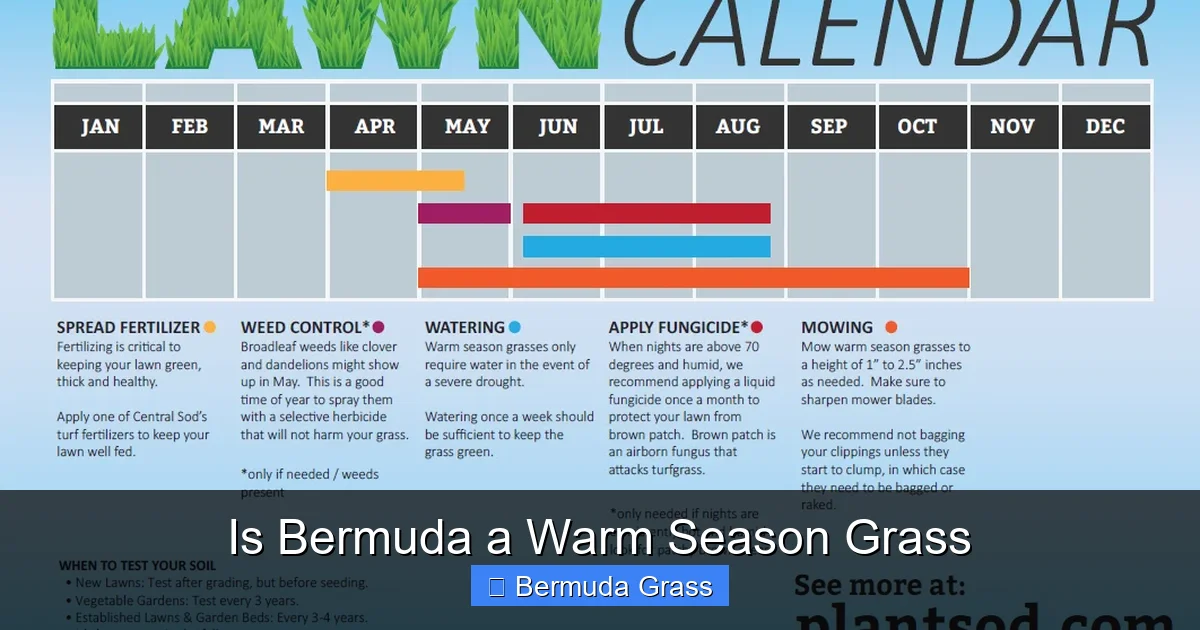
Visual guide about Is Bermuda a Warm Season Grass
Image source: plantsod.com
- Zone 8: Mild winters; Bermuda may go dormant but generally recovers in spring.
- Zone 9-11: Long, hot summers with minimal winter dormancy; Bermuda remains green most of the year.
In cooler zones, Bermuda grass may not survive winter or require overseeding with cool-season grasses to maintain green coverage year-round.
Growing Bermuda Grass: Step-by-Step Guide
Step 1: Preparing the Soil
Good soil preparation is essential for healthy Bermuda grass. Test your soil to determine pH and nutrient levels. Ideally, the pH should be between 5.8 and 7.0.
- Remove weeds, rocks, and debris.
- Loosen the soil to a depth of 4-6 inches.
- Amend soil with compost or sand if needed to improve drainage and fertility.
Step 2: Choosing the Right Planting Method
You can establish Bermuda grass through seed, sod, or plugs. Each method has benefits:
- Seed: Cost-effective but slower to establish; best for large areas.
- Sod: Instant lawn, ideal for quick coverage.
- Plugs or sprigs: A mid-way option that provides good coverage and affordability.
Step 3: Planting Bermuda Grass
Timing is crucial. Plant Bermuda in late spring or early summer when soil temperatures are consistently warm (>65°F).
- For seed: Broadcast evenly and lightly rake into soil surface.
- For sod: Lay sod pieces tightly together, avoiding gaps.
- For plugs: Space evenly in prepared soil and water thoroughly.
Step 4: Watering and Fertilizing
Water your new Bermuda grass regularly to keep the soil moist until established. After establishment:
- Water deeply 2-3 times per week during hot, dry periods.
- Fertilize with a balanced lawn fertilizer in late spring and summer, following product instructions.
Consistent watering and fertilization promote dense, healthy growth.
Step 5: Mowing and Maintenance
Mow Bermuda at a height of 1-2 inches to encourage dense growth. During peak season, mow every 1-2 weeks.
- Keep mower blades sharp to prevent tearing.
- Remove clippings to avoid thatch buildup.
Regular maintenance also includes aeration, dethatching, and overseeding if needed.
Managing Dormancy and Cold Weather
In cooler zones or during winter, Bermuda grass will go dormant and turn brown. This is normal and not a sign of poor health. To manage dormancy:
- Reduce mowing frequency.
- Limit watering to prevent fungal diseases.
- Consider overseeding with cool-season grasses if year-round green coverage is desired.
Troubleshooting Common Issues
- Pest problems: Chinch bugs and armyworms can damage Bermuda; control with appropriate insecticides.
- Thatch buildup: Aerate annually to improve air and water penetration.
- Overwatering: Can cause fungal diseases; ensure proper drainage and avoid excessive watering.
- Cold damage: In zones below 8, Bermuda may not survive winter; consider other grass types or overseeding.
Conclusion
In summary, Bermuda grass is indeed a warm-season grass that thrives in hot, sunny climates. Its growth cycle aligns with the warmer months, making it an excellent choice for areas with long, hot summers. Proper soil preparation, timely planting, regular maintenance, and understanding its dormancy cycle will help you cultivate a lush and healthy Bermuda lawn. If you live in a suitable climate zone, Bermuda grass can be a durable, attractive, and low-maintenance turf option for your landscape.
Final Tips
- Plant Bermuda in late spring when soil temperatures are warm.
- Maintain proper mowing height to encourage dense growth.
- Fertilize regularly during the active growing season.
- Manage dormancy in winter with overseeding if needed.
- Monitor for pests and diseases to prevent damage.