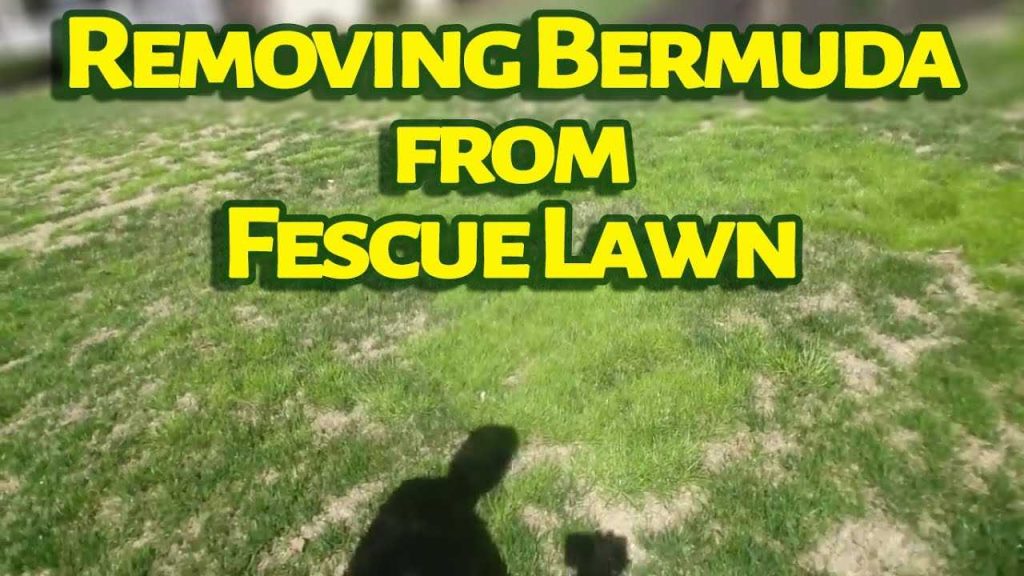
To effectively kill Bermuda grass in your fescue lawn, use a targeted herbicide containing glyphosate or a specific grass killer designed for Bermuda. Applying a combination of proper herbicide timing, consistent application, and lawn maintenance can help eliminate Bermuda without harming your fescue.
For quick results, spot-treat Bermuda grass with a glyphosate-based herbicide, and be sure to follow label instructions carefully. Regular overseeding and proper lawn care will also prevent Bermuda from re-establishing itself.
If Bermuda grass has taken over your fescue lawn, it can be frustrating—its aggressive growth often outcompetes the finer fescue blades, leaving your yard patchy and uneven. Fortunately, with targeted herbicide application and diligent lawn care, you can suppress Bermuda and restore the lush, uniform look of your fescue. The key is to act promptly, use the right products, and maintain a healthy lawn to discourage Bermuda’s return. This guide will walk you through effective methods to bid farewell to Bermuda grass and reclaim your green space.

How to Effectively Kill Bermuda Grass in Fescue
Understanding Bermuda Grass and Fescue
Bermuda grass is a warm-season turfgrass known for its durability and rapid growth. It often invades areas where cool-season fescue is supposed to thrive. Fescue is a cool-season grass that prefers mild temperatures and cool weather. When Bermuda grass encroaches into fescue lawns, it can make your yard uneven and difficult to maintain. Knowing the differences between these grasses helps you decide how best to eliminate Bermuda from your fescue lawn.
Why Removing Bermuda Grass Is Important
Bermuda grass can outcompete fescue by spreading quickly and forming dense patches. It is more aggressive and can dominate the shaded and cooler parts of your yard where fescue should grow. Left unchecked, Bermuda can reduce the overall health of your lawn and make it look patchy. Removing Bermuda ensures your fescue remains healthy and uniform, improving your yard’s appearance.
Identifying Bermuda Grass in Your Lawn
Accurately identifying Bermuda grass is key to controlling it effectively. Bermuda grass has fine, textured leaves and spreads through stolons and rhizomes. It tends to turn brown during colder months but remains quite resilient and spreads unless removed. Fescue, on the other hand, has broader leaves and grows in clumps. Spotting the differences helps you target Bermuda specifically.
Prevention Strategies to Keep Bermuda Out of Fescue
Prevention is a first step in managing Bermuda grass. Use proper lawn management practices like maintaining healthy fescue with aeration, proper watering, and fertilization. Limit Bermuda growth by overseeding with fescue in warmer months and avoiding overwatering during the peak Bermuda growth season. Installing physical barriers can also help prevent spreading rhizomes.
Methods for Killing Bermuda Grass in Fescue
There are several methods to eliminate Bermuda grass from your fescue lawn. These include chemical, organic, and mechanical strategies. Combining these methods can produce better results, especially in heavily infested areas. Carefully selecting the right approach depends on the extent of Bermuda invasion and your lawn’s specific condition.
Using Herbicides to Kill Bermuda Grass
Herbicides are often the most effective way to control Bermuda grass. Select a broadleaf herbicide that targets Bermuda without harming fescue, such as glyphosate or selective grass killers. Apply herbicides carefully using a sprayer, focusing on Bermuda patches. Be sure to follow label instructions closely to avoid damaging your fescue.
Applying Herbicides Safely
Always wear protective gear when applying chemicals. Use a sprayer with a fine nozzle to target Bermuda patches precisely. Avoid overspraying onto your fescue, as some herbicides can harm desirable grass. Use a stick or shield to prevent drift onto surrounding plants and features.
Timing Herbicide Applications
Timing is crucial for herbicide effectiveness. Apply herbicides when Bermuda grass is actively growing, typically in late spring or early summer. Avoid application during drought stress or extreme heat, which can reduce herbicide absorption and effectiveness.
Repeat Treatments for Best Results
Bermuda grass may not die after a single herbicide application. Repeat treatments every few weeks may be necessary to fully eradicate all rhizomes and stolons. Regular monitoring and treatment ensure Bermuda does not regrow.
Mechanical Removal Techniques
Mechanical methods involve physically removing Bermuda grass. This can be effective in small areas or as a supplement to chemical treatments.
Manual Removal of Bermuda Grass
Use a spade or garden fork to dig out Bermuda patches, especially rhizomes and stolons. Ensure you remove all roots, as surviving pieces can grow back. Manual removal is labor-intensive but effective for small patches.
Core Aeration and Raking
Aerating your lawn helps loosen Bermuda rhizomes stuck in the soil. After aeration, use a dethatching rake to remove dead Bermuda grass and its runners. This process exposes the roots, making chemical treatments more effective and reducing Bermuda’s spread.
Maintaining a Healthy Fescue Lawn
A strong fescue lawn naturally resists Bermuda invasion. Proper maintenance encourages dense, vigorous grass that crowds out weeds and unwanted grasses.
Proper Mowing Techniques
Maintain a mowing height of about 2.5 to 3 inches for fescue. Taller grass shades the soil, reducing Bermuda’s ability to grow and spread. Regular mowing prevents Bermuda from seeding and spreading further.
Watering and Fertilization
Water deeply and infrequently to promote deep root growth in fescue. Fertilize with a balanced fertilizer suited for cool-season grasses to keep your lawn lush and competitive against Bermuda.
Seasonal Lawn Care Practices
Conduct overseeding in early fall to enhance fescue density. Aerate annually to improve soil health and reduce Bermuda’s space to grow. These practices strengthen your lawn’s resilience against Bermuda grass invasion.
Other Tips and Tricks for Bermuda Control
Besides chemical and mechanical methods, consider ecological strategies that minimize chemical use. Use mulching, overseeding, and proper irrigation to keep Bermuda suppression sustainable and safe.
Using Mulch to Suppress Bermuda Growth
Apply a thick layer of mulch in garden beds and shaded areas to block Bermuda rays and prevent sprouting. Organic mulches like wood chips also enrich your soil over time.
Overseeding to Thicken Fescue
Overseeding in fall helps fill in bare patches and makes your lawn more resistant to Bermuda invasion. Use high-quality fescue seed, and keep the soil moist during germination.
Adjusting Watering and Sunlight
Limit watering in Bermuda-prone areas and trim trees to increase sunlight on shaded spots. Bermuda prefers warm, moist environments, so reducing these conditions hampers its growth.
Summary: Combining Strategies for Best Results
To remove Bermuda grass successfully, combine chemical control with physical removal and lawn management. Regular monitoring, proper mowing, watering, and fertilization reinforce these efforts. Patience and persistence are key—your fescue lawn can reclaim its space if approached correctly. By understanding Bermuda’s growth habits and using targeted strategies, you can enjoy a lush, healthy, Bermuda-free yard.
How we control Bermuda Grass in a fescue lawn.
Frequently Asked Questions
What are the most effective herbicides to eliminate Bermuda grass from a fescue lawn?
Use selective herbicides containing glyphosate or mesotrione designed to target Bermuda grass without harming fescue. Apply these products carefully, following the manufacturer’s instructions, and avoid over-application to prevent damage to your fescue. Repeated treatments may be necessary for complete eradication.
When is the best time to treat Bermuda grass in a fescue lawn?
Treat Bermuda grass during its active growth period in late spring or early summer for the best results. Avoid applying herbicides during extreme heat or drought conditions, as this can stress your fescue. Spring and early fall typically offer optimal conditions for selective weed control.
What cultural practices can help prevent Bermuda grass from invading my fescue turf?
Maintain a healthy, dense fescue lawn by proper fertilization, watering, and mowing practices. Aerate your lawn regularly to improve soil health and reduce bare spots where Bermuda grass can establish. Thick turf limits sunlight reaching Bermuda grass, making it less likely to invade.
Are there any natural methods to control Bermuda grass in a fescue lawn?
Manual removal of Bermuda grass patches combined with smothering techniques like covering affected areas with black plastic or heavy mulch can reduce its spread. Additionally, maintaining a healthy fescue turf through proper care helps outcompete Bermuda grass naturally.
Can over-seeding help suppress Bermuda grass in a fescue yard?
Yes, overseeding with new fescue varieties can help fill in bare areas and create a dense turf that competes against Bermuda grass. Ensure you prepare the soil properly before overseeding and follow recommended watering and fertilization schedules to establish strong, competitive grass coverage.
Final Thoughts
Pour finir, il est essentiel de prendre des mesures efficaces pour éliminer le Bermuda grass dans le fescue. La méthode la plus fiable consiste à utiliser un herbicide sélectif. Appliquez-le avec soin pour cibler le Bermuda grass sans endommager le fescue environnant. La patience et la régularité garantissent un jardin plus sain. En suivant ces conseils, vous pouvez réussir à kill bermuda grass in fescue et maintenir un gazon d’aspect impeccable.