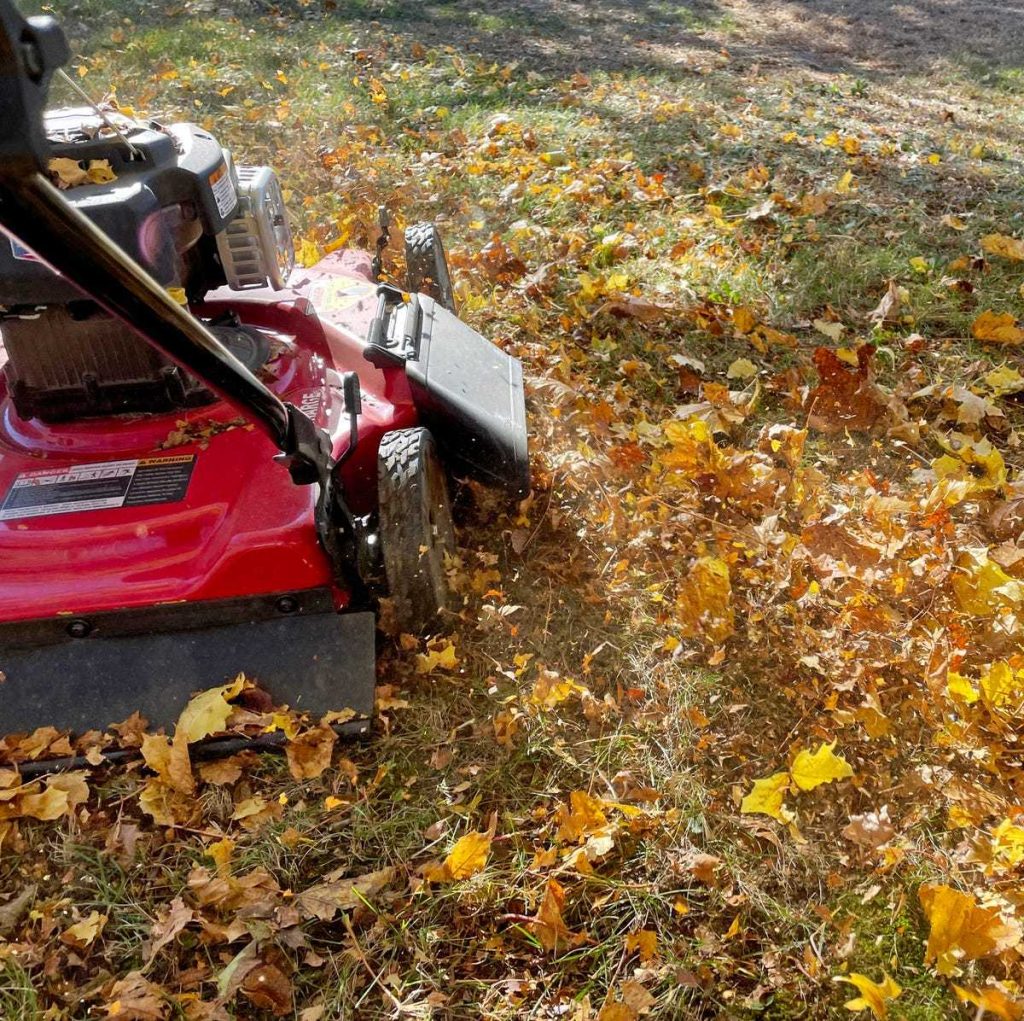
Mulching mowers are a game-changer when it comes to managing fallen leaves effortlessly. To effectively use them for leaf control, set your mower to a higher cutting height, mow over the leaves multiple times, and let the blades finely chop the debris into mulch that naturally nourishes your lawn. Regular mowing prevents leaves from smothering the grass and keeps your yard tidy without raking.
In brief, start by adjusting your mower to a higher setting, mow frequently to reduce leaf buildup, and let the mulcher blades finely chop the leaves into nutrient-rich mulch. This process not only keeps your lawn clean but also improves soil health over time.
Leaves can quickly turn into a chore during fall, but mulching mowers make it easy and eco-friendly to keep your yard tidy. Just picking up a few tips on how to set up and operate your mulching mower ensures you turn leaf cleanup into an effortless task. By using the right techniques—such as adjusting the mower height, mowing in multiple passes, and letting the blades finely shred the leaves—you’ll maintain a neat yard while enriching your soil naturally. Whether you have a small garden or a large lawn, mastering mulching mower use can dramatically reduce yard waste and improve your overall lawn health.

How to use mulching mowers for leaf control
Understanding the benefits of mulching mowers for leaf management
Mulching mowers offer a natural way to handle fallen leaves without raking or bagging. They cut leaves into tiny pieces that decompose quickly, enriching the soil. This method reduces yard waste and promotes healthier grass and plants.
Choosing the right mulching mower for leaf control
Select a mower with a dedicated mulching feature or a mulching blade. Look for models with adjustable height settings to accommodate different grass lengths. Consider the mower’s engine power and cutting width to handle the volume of leaves in your yard efficiently.
Types of mulching mowers
- Reel mowers: Ideal for small yards with light leaf fall.
- Rotary mowers: Most common, suitable for larger areas and thick leaves.
- Self-propelled mowers: Easier to maneuver, especially on uneven terrain.
Preparing your yard and mower before leaf mulching
Rake or blow large debris and sticks away from the lawn to prevent clogging the mower. Ensure the mower blades are sharp for clean cuts, which helps break down leaves effectively. Adjust the cutting height so that the mower can handle the leaves without scalping the grass.
Setting the mower height for optimal leaf mulching
Set the cutting height to a level that minimizes grass stress but allows for adequate leaf collection. Usually, a height of 2.5 to 3 inches works well for most lawns. Avoid cutting too low as it can stress the grass and lead to scalping.
Technique for mulching leaves with a mower
Start by mowing the yard in overlapping passes to cover all areas evenly. For thick leaf layers, make multiple passes at different angles to ensure thorough mulching. Use a slow and steady pace to allow the blades to shred leaves into fine pieces.
How to handle heavy leaf fall
If your yard has a large mass of leaves, mow in sections, removing some leaves first if necessary. Mow small areas at a time to prevent clogging and ensure the leaves are chopped finely. Consider doing a second pass after the first to further break down remaining leaf material.
Maximizing leaf decomposition and soil enrichment
Spread the finely shredded leaves evenly over the grass to act as mulch. This layer helps retain soil moisture, prevents weeds, and adds organic matter to the soil. Avoid piling too much leaf material in one spot to prevent smothering the grass.
Frequency of mulching leaves during the season
Mow once a week during heavy leaf fall periods, or as needed to keep leaves manageable. Regular mowing prevents leaves from matting and makes mulching more effective. Consistent mulch layering also improves soil health over time.
Maintenance tips for mulching mowers used for leaf control
Keep blades sharp for efficient mulching and minimal engine strain. Clean the mower deck regularly to prevent buildup of shredded leaves. Check for any obstructions or damage that might reduce performance.
Importance of blade maintenance
A dull blade tears leaves rather than cuts them, resulting in poor mulching quality. Sharpen blades or replace them every season to ensure the best results. Well-maintained blades produce finer mulch that decomposes faster.
Additional tips for effective leaf control using mulching mowers
Try to mow when the leaves are dry, as wet leaves clump and clog the mower. Adjust mowing speed to maintain a steady, even cut. Use a leaves collection system if your mower supports it, and then mulch the collected leaves back onto the lawn.
Using attachments and accessories for improved mulching
Consider using mulching kits or blades specifically designed for leaf management. Some mowers come with side-discharge or rear-discharge options, which can be used in conjunction with mulching blades for better performance.
Related practices to enhance leaf control
Combine mulching with leaf raking in spots where leaves are too thick. Aerate the lawn regularly to improve decomposition and nutrient absorption. Mulching also complements other organic lawn care methods like composting fallen leaves.
Creating compost with mulched leaves
Use shredded leaves as a component in compost piles. They act as brown material rich in carbon, balancing nitrogen-rich green waste. Properly mixed, they speed up composting and produce nutrient-rich compost for your garden.
Environmental benefits of using mulching mowers for leaf control
Mulching leaves reduces the need for leaf disposal and decreases yard waste in landfills. The shredded leaves naturally fertilize and improve soil structure. This eco-friendly approach supports sustainable lawn care practices.
Reducing chemical use and water conservation
Healthy, mulched lawns require less watering and fertilizer. Mulching adds organic nutrients, reducing the reliance on chemical fertilizers. It also minimizes noise and pollution compared to leaf disposal methods that involve trucks or burning.
Common mistakes to avoid when mulching leaves
Avoid mowing in wet conditions, which causes clumping and poor mulching. Do not cut grass too short during leaf season, as it weakens the lawn. Overloading the mower with thick layers of leaves can damage the blades and engine.
Tips for troubleshooting mulching issues
If leaves are not shredding properly, check and sharpen blades. If the mower clogs frequently, mulch in smaller sections or reduce leaf volume per pass. Regular maintenance ensures consistent performance.
Using mulching mowers for leaf control is an effective and eco-friendly way to manage yard debris. Proper mower selection, regular maintenance, and mindful mowing techniques make this process simple and efficient. Mulching not only keeps your yard tidy but also improves soil health and supports sustainable gardening.
Mulching vs Bagging vs Side Discharge – Which is Best & Why to help your Lawn
Frequently Asked Questions
What safety precautions should I take when using a mulching mower for leaf control?
Always wear protective gear such as safety glasses, gloves, and sturdy footwear to prevent injuries. Before starting, ensure the mower is in good condition and the blades are sharp. Clear debris and rocks from the lawn to avoid damage or hazards. Turn off the mower and disconnect the spark plug wire before performing any maintenance or blade adjustments. Additionally, mow in dry weather to improve efficiency and reduce the risk of slipping.
How do I set my mulching mower for optimal leaf mulching?
Adjust the cutting height to a lower setting to help the mower cut leaves into smaller pieces that decompose quickly. Check that the mulch plug or chute is properly installed to ensure leaves are shredded and distributed evenly. Make sure the blades are sharp to produce clean cuts, which aid in faster decomposition. Mow when the leaves are dry, as wet leaves tend to clog the mower and do not mulch effectively.
What techniques can I use to improve leaf mulching efficiency with my mower?
Run the mower at a consistent, moderate speed to ensure even cutting. Overlap each pass slightly to avoid missed patches and build-up of leaves in one area. Mow periodically in small sections rather than trying to clear all leaves in one go, especially if the yard is heavily covered. If necessary, make multiple passes to finely shred the leaves, which facilitates faster decomposition and nutrient recycling in the soil.
Can I use a mulching mower for leaves when the grass is wet?
It is better to avoid mowing wet leaves because moisture clogs the mower and results in less effective mulching. If you must mow when leaves are damp, do so cautiously by lowering the deck height and mowing slowly. You might need to clean the mower more frequently to prevent buildup. Whenever possible, wait for dry weather to get the best results and prolong the mower’s lifespan.
How often should I mow leaves with a mulching mower to keep my lawn clean?
Regularly mowing leaves once they begin to fall ensures they are shredded into smaller pieces, which decompose faster and enrich the soil. During peak fall season, you may need to mow every 4 to 7 days, depending on the rate of leaf fall. Consistent mowing prevents the buildup of thick leaf layers, helping to maintain healthy grass and prevent suffocation or disease caused by excess moisture retention.
Final Thoughts
Using mulching mowers for leaf control involves setting your mower to a high cut and mowing frequently. This ensures tiny leaf pieces decompose quickly and enrich your soil.
Ensure the mulch plug is installed correctly to maximize leaf shredding. Regularly clean the mower deck to keep mulching efficiency high.
In conclusion, how to use mulching mowers for leaf control becomes simple with proper adjustments and maintenance. Consistent mowing turns leaves into natural fertilizer, keeping your yard tidy effortlessly.