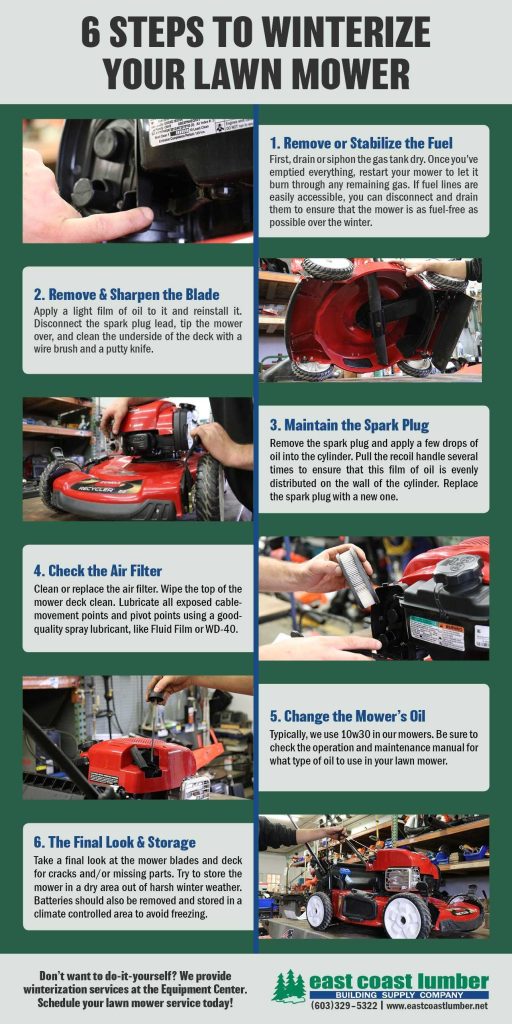
Winterizing your lawn equipment is essential to keep it in top shape for the following spring. To quickly answer how to do this, start by cleaning your tools thoroughly to remove dirt and debris. Next, drain fuel from gas-powered equipment and add a fuel stabilizer to prevent gumming. Don’t forget to change the oil, replace air filters, and sharpen blades on mowers. Finally, store everything in a dry, sheltered space to protect against moisture and freezing temperatures. By taking these steps, you can ensure that your equipment stays functional and ready for action when the warm weather returns. Transitioning between seasons can be a hassle, but this simple process can save you time and money in the long run.

“`html
How To Winterize Lawn Equipment
Winterizing your lawn equipment is essential to keep it in good working condition for the next spring. Proper care and maintenance during the colder months help extend the lifespan of your tools. In this article, we will walk through the essential steps to winterize different types of lawn equipment effectively.
Understanding the Importance of Winterization
Winterization prevents damage caused by freezing temperatures and moisture. Lawn equipment can suffer from a range of issues if not prepared for winter. Here are some key reasons to consider:
- Prevents rust and corrosion
- Avoids fuel breakdown
- Keeps engines in top condition
- Enhances the efficiency of equipment
By taking the time to winterize, you can save money on repairs and replacements in the long run.
Gathering Necessary Supplies
Before you start the winterization process, gather the right supplies. This can make the job easier and more efficient. Here’s a list of items you might need:
- Fuel stabilizer
- Oil change supplies
- Clean cloths
- Grease and lubricants
- Protective tarps
These supplies will help you perform the maintenance tasks effectively.
Winterizing Lawn Mowers
Lawn mowers are one of the most commonly used pieces of equipment. Proper care will ensure they start easily come spring. Follow these steps:
Step 1: Clean the Mower
Start by cleaning your mower thoroughly. Remove grass clippings, dirt, and debris from the mower deck. A clean surface promotes better airflow and reduces rust.
Step 2: Change the Oil
Next, change the oil to remove contaminants. Use the recommended oil type as specified in your user manual. This step is vital to protect the engine during the cold months.
Step 3: Inspect and Sharpen Blades
Check the blades for wear and tear. If they are dull or damaged, sharpen or replace them. Sharp blades make clean cuts, promoting healthier grass growth.
Step 4: Add Fuel Stabilizer
If your mower runs on gasoline, add a fuel stabilizer. This helps prevent fuel breakdown and keeps the fuel system clean. Run the engine for a few minutes to ensure the stabilizer circulates through the system.
Step 5: Store Properly
Finally, store the mower in a dry environment. Cover it with a tarp or mower cover to protect it from dust and moisture.
Preparing Trimmers and Edgers
String trimmers and edgers also need winterizing. These tools are essential for keeping your lawn looking neat. Here’s how to prepare them:
Step 1: Clean the Equipment
Just like with the mower, clean your trimmer or edger. Remove any grass, dirt, or debris. A clean tool works better when it’s time to use it in the spring.
Step 2: Inspect the Cutting Line
Check the condition of the cutting line. If it is worn out, replace it. A fresh line will make trimming more efficient when you start using it again.
Step 3: Oil Moving Parts
Lubricate any moving parts. This prevents rust and ensures everything runs smoothly. Use the appropriate oil recommended by the manufacturer.
Step 4: Store Safely
Store your trimmer or edger in a cool, dry place. Keeping these tools away from moisture protects them from unnecessary damage.
Winterizing Leaf Blowers
Leaf blowers, whether electric or gas-powered, need attention as well. Follow these steps:
Step 1: Clean the Blower
Make sure to clean your leaf blower. Remove any leaves or debris that may have accumulated during use. Regular cleaning helps maintain performance.
Step 2: Prepare the Fuel System
For gas-powered blowers, add fuel stabilizer just like with the mower. This helps in preventing fuel issues during the winter months.
Step 3: Inspect Filters
Check air filters for dirt and debris. Cleaning or replacing the filter improves the blower’s efficiency. A clean filter helps the engine breathe better.
Step 4: Store in a Dry Place
Finally, store the blower in a sheltered environment. A dry area will protect it from humidity and potential freezing temperatures.
Maintaining Snow Removal Equipment
If you live in an area with heavy snowfall, snow blowers need care, too. Here’s how to winterize them:
Step 1: Clean the Equipment
Clean the snow blower of any snow and ice residue. A clean machine operates more effectively.
Step 2: Change the Oil
Just like other machinery, snow blowers require an oil change. Follow the same procedures as with your lawn mower.
Step 3: Inspect the Auger and Blades
Check the auger and blades for any damages. They need to be in good shape to clear snow efficiently.
Step 4: Store Properly
Store your snow blower in a dry garage or shed. Keeping it indoors will protect it from harsh winter conditions.
Checking and Maintaining Hand Tools
Hand tools like rakes, shovels, and pruners also need some attention. Here’s what to do:
Step 1: Clean the Tools
Remove any dirt or plant material from the tools. A clean surface prevents rust and corrosion.
Step 2: Sharpen Blades
For pruners and other cutting tools, sharpen the blades. Sharp tools make your gardening tasks easier and more efficient.
Step 3: Oil Metal Parts
Apply oil to metal portions to prevent rust. This practice can significantly extend their lifespan.
Step 4: Store in a Dry Area
Finally, hang or store hand tools in a dry space. Organizing tools in a shed keeps them safe and accessible.
Important Winterization Tips
To make your winterization process easier, keep these tips in mind:
- Read your owner’s manual for specific instructions.
- Always use the right fuels and lubricants.
- Take photos of your equipment before disassembly.
- Label parts and screws for easy reassembly.
These tips can help you avoid common mistakes during winterization.
Common Mistakes to Avoid
As you winterize your lawn equipment, be aware of these common pitfalls:
- Skipping the cleaning process
- Not changing the oil
- Ignoring fuel stabilizers
- Improper storage methods
Avoiding these mistakes ensures that your equipment is ready to work when spring arrives.
In the end, winterizing your lawn equipment is a crucial step in caring for your outdoor tools. By taking the time to follow these guidelines, you ensure your equipment will perform optimally when you need it the most. Regular maintenance not only saves money but also ensures that you can enjoy a beautiful lawn year after year.
“`
How To Winterize Lawn Equipment
Frequently Asked Questions
What steps should I take to prepare my lawn mower for winter storage?
To prepare your lawn mower for winter storage, start by removing any grass clippings or debris from the mower’s exterior and undercarriage. Next, change the oil to prevent engine damage from contaminants. Remove the spark plug and add a few drops of oil into the cylinder to lubricate it. Finally, empty the fuel tank or add a fuel stabilizer to prevent the fuel from deteriorating.
How can I protect my garden tools during the winter months?
To protect your garden tools in winter, clean them thoroughly to remove any dirt, sap, or rust. Wipe metal surfaces with a cloth soaked in oil to prevent rust formation. Store them in a dry, sheltered area like a garage or shed to shield them from moisture and cold temperatures. Consider hanging tools up to keep them off the ground and away from potential damage.
Is it necessary to winterize my snow blower?
Yes, winterizing your snow blower is essential for optimal performance during snow removal. Start by cleaning the machine and checking the oil level, changing it if necessary. Inspect and replace any worn or damaged parts, and ensure that the fuel system is treated with a stabilizer to avoid issues with starting and fuel quality. Store the snow blower in a dry area to prevent rust and corrosion.
What maintenance should I perform on my trimmer before winter?
Before winter, clean your trimmer thoroughly by removing any grass and debris. Change the oil if applicable, and check the cutting line, replacing it if it is worn. Ensure the air filter is clean and functioning properly. Store the trimmer in a dry, cool area, and consider using a fuel stabilizer to keep the fuel fresh if you plan to store it with fuel in the tank.
How do I store my leaf blower safely for winter?
To store your leaf blower for winter, first clean it thoroughly to remove any leaves or debris. If it uses gas, either run it out of fuel or add a fuel stabilizer to prevent issues. Remove the battery from electric models and store it separately in a cool, dry place. Finally, keep the blower in a protected area, such as a shed or garage, to shield it from moisture and cold temperatures.
Final Thoughts
To effectively winterize lawn equipment, begin by cleaning and inspecting each tool for wear and tear. Proper maintenance ensures readiness for the next season and prolongs the equipment’s lifespan.
Next, drain fuel from gas-powered tools to prevent clogs and damage. Store equipment in a dry, sheltered place to protect it from harsh winter conditions.
Lastly, sharpen blades and check batteries to keep everything in top shape. Following these steps on how to winterize lawn equipment will ensure a smooth transition into the next growing season.