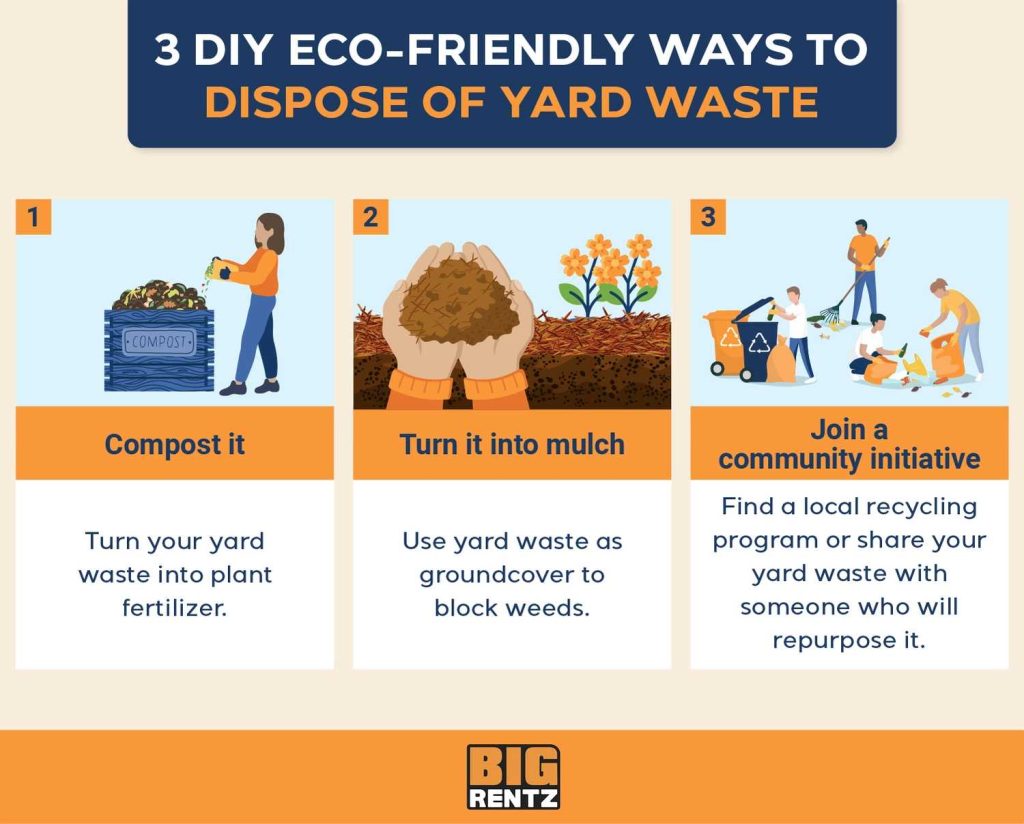
To dispose of lawn leaves in an eco-friendly way, compost them to create nutrient-rich soil, use a mulching mower to shred leaves and return them to your lawn, or set up a leaf pile for wildlife habitat. These methods reduce waste, support local ecosystems, and minimize environmental impact. Avoid burning or sending leaves to landfills to protect air quality and conserve resources.
Dealing with lawn leaves can feel overwhelming, but turning this autumn chore into an eco-friendly opportunity is easier than you think. Instead of simply bagging leaves for disposal, you can transform them into valuable compost, mulch your garden, or provide shelter for beneficial insects and wildlife. These environmentally conscious practices not only reduce waste but also enhance your garden’s health and beauty, making your yard more sustainable and vibrant. Implementing simple, natural methods of leaf disposal helps protect the environment while enriching your garden’s soil—making it a win-win for you and the planet.

How to dispose of lawn leaves the eco friendly way
Understanding the Importance of Eco-Friendly Leaf Disposal
Disposing of lawn leaves thoughtfully helps protect the environment. Yard waste can be a resource rather than waste when handled properly. Proper disposal methods reduce the amount of trash sent to landfills and promote healthy soil.
Composting Leaves: Nature’s Recycling System
Composting is one of the best eco-friendly ways to dispose of leaves. It turns yard waste into rich, nutritious soil that benefits your garden. Leaves decompose over time, releasing valuable nutrients like nitrogen and carbon into the earth.
Why Compost Leaves?
Composting reduces landfill waste and lowers greenhouse gases. It creates organic compost that enhances soil structure and fertility. Additionally, it minimizes the need for chemical fertilizers.
How to Compost Leaves Effectively
Start with a compost bin or pile in a dry, well-ventilated area. Mix leaves with other compostable materials such as grass clippings and vegetable scraps. Keep the pile moist and turn it regularly to speed up decomposition.
Tips for Successful Leaf Composting
- Shred leaves to speed up breakdown. Use a lawnmower or leaf shredder.
- Maintain a balanced carbon to nitrogen ratio. Use more leaves (carbon) with green materials (nitrogen).
- Ensure good air circulation by turning the compost frequently.
- Monitor moisture levels to keep the compost damp but not soggy.
Mulching Leaves for a Sustainable Garden
Using leaves as mulch offers numerous environmental benefits. It helps retain soil moisture, suppress weeds, and regulate soil temperature. Mulched leaves gradually break down, enriching the soil naturally.
Benefits of Leaf Mulching
Mulch made from leaves adds organic matter to the soil. It reduces the need for watering and minimizes weed growth. Mulching also protects plants during cold weather.
How to Mulch Leaves
Shred leaves before spreading around plants and trees. Apply a layer about 2-3 inches thick for optimal benefits. Keep mulch a few inches away from plant stems to prevent rot.
Leaf Disposal Through Community Programs
Many communities offer eco-friendly leaf disposal options. These programs often include curbside pickup, composting centers, or leaf collection sites. Participating helps reduce environmental impact and supports local sustainability efforts.
Using Community Composting Facilities
Bring shredded or whole leaves to local composting facilities. These centers process yard waste into compost or mulch available for residents to use. Check your local municipality’s guidelines for specific drop-off days and requirements.
Participating in Leaf Collection Events
Some communities hold special leaf collection days. Place leaves in biodegradable paper bags or designated containers. Avoid plastic bags to ensure the leaves can be composted efficiently.
Creating Leaf Mold for Long-Term Soil Benefits
Leaf mold is a simple, eco-friendly way to reuse leaves. It involves piling leaves to naturally decompose over time, creating a rich, crumbly organic material.
How to Make Leaf Mold
Gather shredded leaves and pile them into a bin or secure area. Keep the pile moist and forget about it for a year or more. Once mature, break the mold into smaller pieces and use it as mulch or soil amendment.
Advantages of Leaf Mold
Leaf mold improves soil aeration and water retention. It is free from chemicals and provides a habitat for beneficial soil organisms. It’s a great way to recycle leaves without adding to landfill waste.
Proper Disposal of Large Quantities of Leaves
Handling large amounts of leaves requires strategic planning to avoid overwhelming your yard or community resources. Break down the task into manageable steps to stay eco-friendly.
Step 1: Shred and Bag Leaves
Shredding leaves reduces volume and speeds up decomposition. Use a leaf mulcher or lawnmower with a bag attachment. Bag leaves in biodegradable or compostable bags for easy disposal.
Step 2: Utilize Community Resources
Coordinate with local recycling programs or waste collection services. Many municipalities accept shredded leaves for composting or mulching at designated sites.
Step 3: Create Your Own Eco-Friendly Disposal System
Designate a composting area or leaf mold station on your property. Turn leaves regularly and monitor moisture. This keeps yard waste out of landfills and enriches your garden.
Additional Eco-Friendly Tips for Yard Waste Management
In addition to leaves, manage other yard waste sustainably. Use grass clippings, small branches, and plant debris in compost bins or mulch beds.
Avoid Burning Leaves
Burning leaves releases harmful chemicals and pollutes the air. Instead, opt for composting or mulching to dispose of leaves safely and sustainably.
Use Organic Landscaping Practices
Incorporate organic methods to maintain a healthy, eco-friendly yard. Compost all biodegradable waste and avoid chemical pesticides or fertilizers that can harm the environment.
Educate and Involve Your Community
Share eco-friendly disposal tips with neighbors. Participate in community composting programs and promote sustainable practices for a greener neighborhood.
Properly disposing of lawn leaves in an eco-friendly way benefits the environment, your garden, and your community. Composting, mulching, and joining local programs turn yard waste into valuable resources. These practices help reduce landfill waste, improve soil health, and promote a sustainable lifestyle. By choosing these methods, you contribute to a healthier planet and a beautiful, thriving yard.
How to Dispose of Yard Waste? – LearnToDIY360.com
Frequently Asked Questions
What are the benefits of composting lawn leaves instead of traditional disposal methods?
Composting lawn leaves enriches the soil by adding organic matter, reducing the need for chemical fertilizers, and promoting healthy plant growth. It also minimizes waste sent to landfills, decreases greenhouse gas emissions, and supports sustainable gardening practices.
How can I create a mulching area using lawn leaves?
Lay shredded leaves directly on garden beds or around plants to act as mulch. This layer conserves soil moisture, suppresses weeds, and gradually decomposes to improve soil structure. Regularly check and replenish the mulch to maintain effective coverage and benefit your garden naturally.
Are there eco-friendly tools that help manage lawn leaves effectively?
Yes, using manual leaf rakes, handheld mulchers, or manual leaf shredders offers eco-friendly options that do not rely on power sources. These tools reduce energy consumption and allow you to work efficiently while minimizing environmental impact.
Can lawn leaves be used as natural animal bedding?
Yes, shredded leaves can serve as bedding for outdoor animals like chickens or small pets. They provide insulation and absorb moisture naturally. Ensure that the leaves are free of pesticides or chemicals before using them as bedding material.
How do I avoid harming the environment when disposing of lawn leaves?
Opt for composting or mulching instead of burning or bagging leaves. These practices reduce air pollution, conserve resources, and support local ecosystems. Properly managing leaves helps maintain healthy soil and air quality in your community.
Final Thoughts
Properly disposing of lawn leaves helps protect the environment and maintains a healthy ecosystem. Composting leaves turns waste into nutrient-rich soil, benefiting your garden. Mulching them directly into your lawn can also improve soil health and reduce waste.
Community programs like leaf collection events offer eco-friendly disposal options. Avoid burning leaves, as it releases harmful pollutants into the air. By following these simple steps, you can dispose of lawn leaves the eco friendly way and contribute to a greener planet.