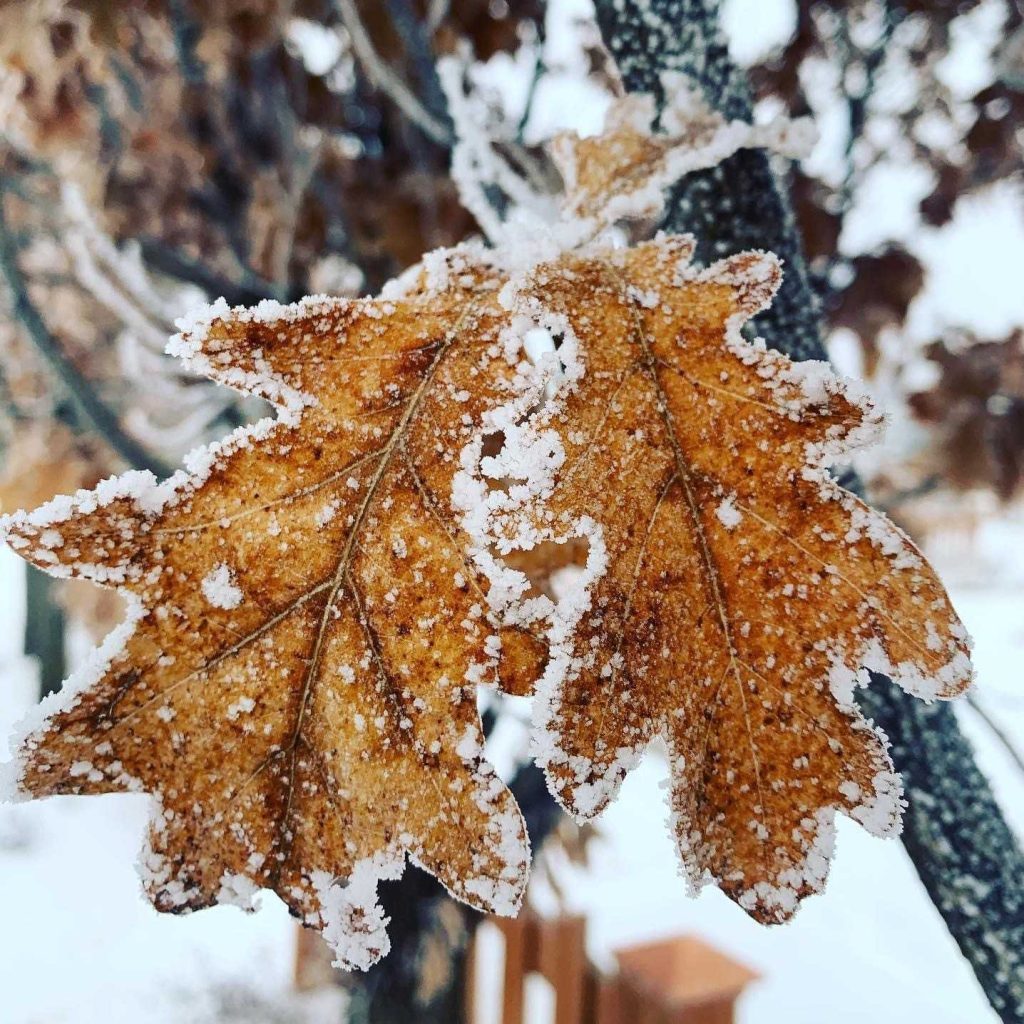
To protect your garden plants during winter using leaves, start by laying a thick layer of dry leaves around the base of each plant, ensuring they are well-covered but not overly compacted. This natural mulch insulates roots from freezing temperatures and helps retain moisture. Additionally, you can create a leaf cone or wrap for more delicate plants, securing it with twine or stakes. Leaves are an eco-friendly, cost-effective way to shield your plants from harsh winter elements while enriching the soil as they decompose.
Using leaves as winter protection is simple and effective. The key is to layer them properly around your plants, adjusting the thickness based on the severity of winter in your area. This method not only helps keep plants warm but also promotes healthy soil for the next growing season. With a little effort, you can ensure your garden survives the cold and blooms again come spring.

How to use leaves as winter protection for plants
Using leaves to shield your plants from winter cold is an easy and natural method. Leaves act as a cozy blanket that keeps plants warm and protects their roots from freezing temperatures. Understanding how to properly use leaves can help your garden survive harsh winter weather with minimal effort.
Why leaves are effective as winter protection
Leaves are a natural insulator that traps air and provides a barrier against cold winds. They are also biodegradable, meaning they break down over time and enrich the soil. Applying leaves thoughtfully can preserve moisture in the soil and insulate plant roots from extreme cold.
Best types of leaves for winter protection
Not all leaves work equally well for winter mulching. The most effective leaves are those that are dry, shredded, and have a high volume of air pockets. Some ideal leaves include:
- Oaks
- Maples
- Walnuts
- Hickories
Leaves such as black walnut contain compounds that can harm certain plants, so avoid using these around sensitive species.
Preparing leaves before use
Shredding leaves for better insulation
Whole leaves can form a barrier that traps too much moisture, promoting mold or rot. Shredding leaves helps create a loose, porous layer that promotes good air circulation. Use a lawnmower, leaf chipper, or simply tear leaves into smaller pieces with your hands.
Drying leaves for optimal insulation
Wet leaves can freeze together and compact, reducing their insulating ability. Allow leaves to dry out in the sun for a few days before applying them as mulch. Dry leaves retain their insulating properties better and are less likely to create problems with mold.
Applying leaves to protect plants
Step-by-step process for mulching with leaves
- Clear the area around the base of your plants, removing any weeds or debris.
- Ensure the plant is well-watered before applying the leaves for maximum benefit.
- Apply a layer of shredded, dry leaves around the base of the plant. Aim for a thickness of 4 to 6 inches.
- Make sure to extend the mulch out to the drip line or slightly beyond for maximum coverage.
- Gently press the leaves down to settle them but avoid compacting them too much.
Creating protection for different types of plants
Different plants need varying levels of protection. For small or young plants, a thinner layer may suffice. Larger, more hardy plants may require a thicker layer of leaves for added warmth. Perennials and shrubs benefit from a generous mulch layer to insulate their roots.
Additional tips for successful winter leaf mulching
Maintaining the leaf cover
Check periodically during winter to ensure leaves haven’t blown away or decomposed too much. Add more leaves if necessary to maintain adequate coverage. Use stakes or garden pins to hold leaves in place if strong winds threaten to displace them.
Managing moisture levels
Leaves help retain moisture, but excessive moisture can cause rot. Ensure the mulch layer is not too compacted and provides good drainage. If the winter is especially wet, consider adding a layer of straw or pine needles on top for extra drainage and insulation.
Combining leaves with other protective materials
Using leaves with straw or pine needles
Mixing leaves with straw or pine needles can improve insulation and promote better airflow. This combination creates a more balanced mulch that prevents mold and moldy conditions while providing winter protection.
Adding fabric or snow cover on top
In particularly harsh winters, covering the leaf mulch with a breathable fabric or a light layer of snow can enhance protection. Snow acts as an additional insulator, while fabric keeps leaves in place and prevents wind from blowing them away.
Additional considerations for leaf winter protection
Timing application for maximum benefit
Apply leaf mulch before the first hard frost arrives. This timing allows leaves to settle and start insulating the ground before temperatures drop significantly. Removing or adjusting mulch in early spring prepares the soil for new growth.
Avoiding common mistakes
Do not apply leaves when they are wet or decomposing, as this can lead to mold and pests. Avoid piling leaves against the trunk of trees or plants, which can promote rot and decay. Use a layer that is thick enough for insulation but not so heavy that it suffocates the plant roots.
Related topics to consider
| Related Topic | Description |
|---|---|
| Composting leaves | Creates rich compost for soil enrichment and reduces waste. |
| Using straw as mulch | An alternative mulch material with good insulation properties. |
| Protecting perennials in winter | Specific strategies for hardy and tender perennials. |
| Mulching around trees and shrubs | Methods for protecting larger plants from freeze damage. |
In summary, using leaves as winter protection is an inexpensive and eco-friendly way to keep your plants healthy through cold months. Proper preparation, application, and maintenance help ensure your garden survives winter unscathed and ready to grow again in spring.
Gardening tips to protect your plants from frost
Frequently Asked Questions
What is the best way to prepare leaves for winter plant protection?
Start by collecting dry, shredded, or fallen leaves from your yard. Clear away any wet or moldy leaves to prevent fungal growth. It’s helpful to shred larger leaves to make them easier to spread around your plants. Before applying, ensure your leaves are free from debris, twigs, or pests. Proper preparation ensures the leaves effectively insulate your plants during colder months.
How should I apply leaves around my plants for effective winter protection?
Apply a layer of shredded or chopped leaves around the base of your plants, covering the root zone and lower stems. Aim for a thickness of about 4 to 6 inches to provide sufficient insulation. Gently mound the leaves over the plant’s crown to shield it from frost. Keep the leaves loose to allow air circulation and prevent moisture buildup, which can lead to decay.
Can I combine leaves with other protective materials for better results?
Yes, layering leaves with other mulching materials like straw, grass clippings, or compost can enhance insulation. Combining leaves with straw creates a denser barrier that helps retain soil warmth and moisture. If you live in an area with particularly harsh winters, using a protective cover like burlap or frost cloth over the leaves can further shield your plants from extreme cold while still allowing air flow.
Final Thoughts
Using leaves as winter protection for plants is simple and effective. Gather dry, fallen leaves and layer them around the base of your plants. This creates an insulating barrier that shields roots from cold temperatures.
Ensure the layer is thick enough to trap heat but not so heavy that it suffocates the plant. Covering delicate plants with leaves can prevent frost damage during harsh weather.
In summary, how to use leaves as winter protection for plants involves applying a generous layer around the plant’s base. This natural method keeps roots warm and helps plants withstand winter conditions.