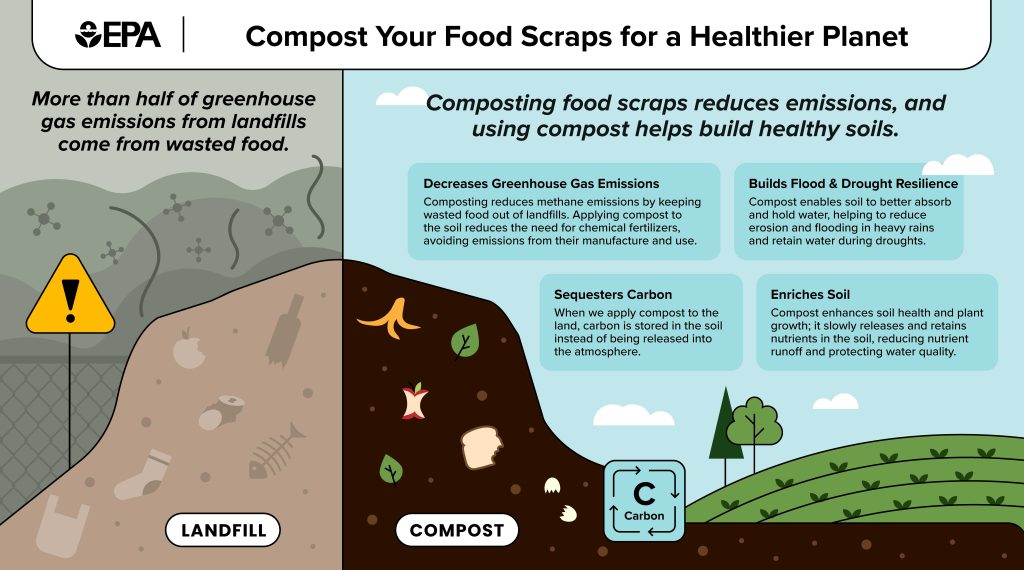
Community-based leaf collection and composting initiatives are a fantastic way to turn a seasonal nuisance into a sustainable advantage. By mobilizing neighbors and local organizations, communities can efficiently gather fallen leaves and transform them into valuable compost, enriching local gardens and reducing waste. These efforts foster collaboration, promote environmental awareness, and create healthier urban and suburban ecosystems.
In short, local leaf collection programs and shared composting efforts not only help manage leaf debris more effectively but also empower residents to contribute to greener, more sustainable communities. Implementing simple, cooperative strategies can make leaf disposal more eco-friendly and cost-efficient, turning a common fall chore into a community-building activity.
Getting involved in community-based leaf collection and composting is easier than you might think. Whether through neighborhood clean-up days, organized compost bins, or education campaigns, residents can work together to manage leaf waste responsibly. These ideas encourage participation, reduce landfill contributions, and produce nutrient-rich compost for local parks, gardens, or personal use. Embracing such initiatives can transform leaf disposal from a seasonal hassle into a meaningful environmental practice that benefits everyone.

Community Based Leaf Collection and Composting Ideas
Encouraging Neighborhood Participation
Getting neighbors involved makes leaf collection easier and more fun. Organize simple events like neighborhood clean-up days where everyone brings their rakes and garbage bags. Use flyers and social media to spread the word and emphasize the benefits of community effort. When everyone works together, leaf piles vanish faster, saving time and effort.
Setting Up Leaf Collection Stations
Designate specific areas in public parks or community spaces for leaf drop-off. Clearly mark these collection stations so residents know where to bring their leaves. Keep these sites neat and accessible, making it easy for people to participate without hassle. Regularly empty and maintain stations to prevent overflow and mess.
Creating Community Compost Bins
Establish shared compost bins in designated community locations. Use sturdy, weatherproof containers with clear instructions on what can be composted. Assign community volunteers to manage and maintain the bins, turning the compost regularly. This shared effort reduces waste and provides rich compost to use in local gardens and parks.
Organizing Leaf Mulching Workshops
Hold workshops to teach residents how to mulch leaves at home or in community gardens. Demonstrate techniques like shredding leaves with lawnmowers or using leaf blowers with mulching features. Share easy-to-follow guides to help everyone turn leaves into valuable mulch that protects plants and soil.
Implementing a Community Leaf Collection Schedule
Create a calendar that informs residents about optimal leaf collection times. Coordinate pick-up days with local waste management services or community volunteers. Regular schedules ensure leaves are collected efficiently while preventing yard clutter and promoting responsible yard maintenance.
Utilizing Leaf Blowers and Shredders for Community Projects
Deploy leaf blowers and shredders for bulk leaf cleanup activities. These tools make gathering and processing leaves quicker and less labor-intensive. Encourage community groups to rent or borrow equipment for large-scale projects, turning leaves into compost or mulch on-site.
Promoting Composting Education and Awareness
Distribute flyers, hold info sessions, and post signs to inform residents about composting benefits. Sharing tips on what to compost and how to do it correctly helps reduce waste and produce high-quality compost. Education builds community support and encourages more households to compost.
Collaborating with Local Schools and Organizations
Partner with schools, youth groups, and environmental organizations to promote leaf collection and composting. Organize student-led projects or contests to engage young people and teach them about sustainability. These partnerships strengthen community bonds and make composting a shared goal.
Creating a Youth Leaf Collection Team
Form youth groups dedicated to collecting and composting leaves. Offer incentives like awards or recognition for participation. This not only helps with leaf cleanup but also educates children about environmental responsibility from a young age.
Making Use of Leaf Compost in Community Gardens
Use the compost from community bins to fertilize local gardens and green spaces. This creates a cycle that benefits everyone by improving soil health and plant growth. Sharing the harvest and compost benefits fosters a strong sense of community pride.
Building Awareness Through Community Events
Host seasonal events like fall festivals or planting days that focus on leaf collection and composting. Incorporate activities like mulch-making demonstrations or compost tours. Events boost engagement and make environmental action a fun, shared experience.
Incentivizing Participation with Rewards
Offer small rewards or recognition for residents who actively participate. Examples include certificates, garden supplies, or public acknowledgment. Rewards motivate ongoing involvement and build enthusiasm for community composting initiatives.
Utilizing Technology for Coordination
Create online platforms or apps for scheduling leaf collection and sharing tips. Use these tools to remind residents of collection days and provide educational content. Technology makes organizing community efforts smoother and more accessible.
Monitoring and Improving Programs
Regularly assess how well leaf collection and composting programs are working through surveys and feedback. Use this information to make improvements, such as adjusting schedules or adding new features. Continuous improvement keeps community efforts effective and sustainable.
Expanding Community Composting Efforts
Explore options for larger composting projects like compost piles at community centers or parks. These larger efforts can handle more waste and produce more compost for public spaces. Expanding programs demonstrates commitment to long-term environmental health.
Addressing Challenges and Finding Solutions
Identify common obstacles such as space limitations, volunteer shortages, or neighborhood apathy. Brainstorm solutions like sharing resources, offering training, or increasing outreach. Facing challenges head-on ensures programs remain resilient and successful.
Integrating Leaf Composting with Overall Waste Reduction
Position leaf composting as part of a broader waste management plan. Promote practices like composting food scraps and recycling to decrease landfill waste. An integrated approach maximizes environmental benefits and community participation.
Involving Local Businesses and Sponsors
Partner with local businesses to support supplies, tools, or funding. Businesses can also display eco-friendly signage or participate in community events. Their involvement not only provides resources but also demonstrates corporate social responsibility.
Measuring Impact and Sharing Success Stories
Track the amount of leaves collected, compost produced, and community participation levels. Share stories of successful projects through newsletters and social media. Highlighting achievements encourages continued support and inspires other neighborhoods.
Creating a Long-Term Community Composting Vision
Plan for sustained efforts by setting goals and developing policies that promote ongoing leaf collection and composting. Encourage leadership within the community to keep programs active and evolving. A shared vision ensures lasting benefits for everyone.
By implementing these community-based ideas for leaf collection and composting, neighborhoods can reduce waste, support local gardens, and foster a sense of teamwork. These strategies help turn yard waste into valuable resources while engaging residents of all ages. Together, community efforts create a cleaner, greener, and more sustainable environment for all.
A 15 Minute Compost Bin Build for Endless Garden Leaf Mold & Compost: Build it Now, Celebrate Later!
Frequently Asked Questions
How can communities organize effective leaf collection events?
Communities can organize effective leaf collection events by setting clear schedules and locations for drop-off points. Promote the events through local signage, social media, and community newsletters to ensure residents are aware. Provide designated areas with clear instructions on how to prepare leaves for collection, such as raking leaves into biodegradable bags or containers. Additionally, coordinate with local waste management services to streamline the pickup process and consider volunteers to assist with collection and organization to maximize participation.
What are some ways to encourage residents to compost their leaves at home?
To encourage residents to compost leaves at home, communities can host educational workshops that demonstrate simple composting techniques. Distribute informational materials that highlight the environmental benefits and cost savings of composting. Providing compost bins or subsidized options can motivate participation. Creating a community composting guide and sharing success stories from residents can further inspire others to start composting their leaves, making it a collective effort toward sustainability.
How can communal composting sites be maintained effectively?
Maintaining communal composting sites requires regular monitoring to ensure proper balance between green and brown materials. Assign dedicated volunteers or staff to turn the compost regularly, check moisture levels, and manage odor control. Clear signage should be installed to educate users on acceptable materials and proper usage. Establishing a schedule for routine maintenance and involving residents in cleanup and management can foster a sense of ownership and ensure the site functions efficiently for everyone.
What safety measures should be in place for community leaf collection and composting projects?
Implement safety measures by providing protective equipment such as gloves and masks for volunteers handling leaves, especially during large clean-up events. Clearly mark designated collection points to prevent accidents or unauthorized access. Ensure composting sites are situated away from high-traffic areas and contain barriers if necessary. Educate participants about proper handling and disposal techniques to avoid injuries or contamination, creating a safe environment for all residents involved.
How can technology support community-based leaf collection efforts?
Utilize online platforms or mobile apps to coordinate pickup schedules and allow residents to sign up for collection times. Use social media channels to communicate updates, educational content, and success stories. Implement digital mapping tools to identify optimal locations for collection points and composting sites. These technologies can improve organization, increase participation, and facilitate real-time feedback, making the entire process more efficient and accessible for community members.
Final Thoughts
Community based leaf collection and composting ideas foster teamwork and sustainability. Organize neighborhood leaf pickups to reduce waste and create free compost for gardens. Workshops on composting methods encourage residents to participate actively. These initiatives promote environmental responsibility and build stronger communities. Incorporate educational events to spread awareness about eco-friendly practices. By embracing these ideas, neighborhoods can enjoy healthier, greener spaces and reduce landfill contributions effectively.