To effectively bag and store leaves for future compost, choose breathable bags, store them in a dry, shady spot, and turn the piles regularly to prevent decay. Proper handling ensures your leaves stay dry and ready to enrich your garden later. With simple tips like using the right bags and keeping the leaves aerated, you can effortlessly create nutrient-rich compost for your plants.
Freezing or bagging leaves might seem straightforward, but the key to successful storage lies in managing moisture, aeration, and protection from the elements. When you gather your fall leaves, it’s essential to prepare them properly so they don’t turn into a soggy, moldy mess. Using breathable bags—like mesh or paper ones—helps air flow and prevents mold growth. Storing them in a shady, dry area keeps moisture at bay, while occasional turning enhances decomposition when you’re ready to compost. Whether you’re short on space or want to maximize your garden’s nutrients, a few simple steps can turn those autumnal leftovers into valuable compost all year round.

Tips to Bag and Store Leaves for Future Compost
Understanding the Importance of Proper Leaf Storage
Properly bagging and storing leaves ensures you have high-quality material for composting later. Well-preserved leaves break down faster and create nutrient-rich compost. This practice saves money and helps recycle garden waste effectively.
Choosing the Right Time to Collect Leaves
Collect leaves during peak fall when they are dry and abundant. Avoid wet or damp leaves, as they can mold and decay improperly. Raking leaves on dry days makes bagging easier and prevents clumping.
Preparing Leaf Collection Areas
Set up designated areas in your yard for leaf collection. Use tarps or large sheets to gather leaves quickly and prevent them from spreading onto pathways. Clear space near your composting site for easy transfer.
Tools for Bagging and Storing Leaves
Use sturdy yard bags, compostable leaf bags, or large plastic bins for leaf storage. Equip yourself with rakes, leaf scoops, and scissors to make gathering simpler. Proper tools reduce effort and keep leaves tidy.
How to Bag Leaves Effectively
Start by loosely filling bags to avoid overstuffing, which can make them difficult to tie and carry. Leave some space for air circulation, which helps prevent mold. Secure the bags tightly with twine, rubber bands, or bag ties.
Tip for Compacting Leaves
Gently press down on leaves after filling the bag to reduce air pockets. Compacting helps maximize storage space and encourages faster decomposition when used later.
Creating Layered Storage for Leaves
If you plan to store leaves for extended periods, layer them with other organic waste like grass clippings or shredded newspaper. This layering improves air circulation and accelerates natural decay.
Storing Leaves in the Right Environment
Keep leaf bags in a dry, shaded location to prevent moisture buildup. Avoid direct sunlight, which can dry out leaves excessively or cause deterioration. An outdoor shed or covered area works well.
Temperature and Humidity Considerations
Aim for a cool, shaded environment with moderate humidity. Too much moisture causes mold growth, while too little dries out the leaves. Proper conditions ensure longevity and quality of stored leaves.
Using Compost Bins for Leaf Storage
Compost bins or tumblers can store leaves temporarily while they decompose. This method speeds up the composting process and keeps leaves contained. Add brown materials like shredded paper for better balance.
Tips for Reducing Leaf Clumping
Mix leaves regularly in storage to prevent compacted mass formation. Use a garden fork or stick to aerate the pile. Turning the leaves every few weeks maintains airflow and prevents mold.
Handling and Transporting Bagged Leaves
Lift bags with proper posture to avoid injury. Use carts or wheelbarrows when moving large quantities. Secure bags during transport to prevent spillage and messes.
Labeling Your Leaf Bags
Label each bag or container with the date of collection and type of leaves. This helps track how long leaves have been stored and their suitability for composting. Clear labels ensure better planning.
Tips for Extending Leaf Storage Time
Keep bags sealed tightly to prevent pests and moisture entry. Store in a location with stable temperature and low humidity. Check periodically for mold or pests and adjust storage conditions accordingly.
Alternative Leaf Storage Methods
Consider shredding leaves before storing. Shredded leaves decompose faster and take up less space. You can also freeze leaves temporarily to kill pests or pests’ eggs before composting.
Using Shredded Leaves for Faster Composting
Shredding breaks down leaves into smaller pieces, which speeds up decomposition. Use a lawn mower with a bagging attachment or a leaf shredder. Smaller pieces blend into compost more easily.
Creating a Compost Pile with Stored Leaves
Mix stored leaves with nitrogen-rich materials like kitchen scraps. Aim for a balanced ratio of browns and greens. Regular turning and moisture addition speed up composting and prevent odors.
Benefits of Proper Leaf Storage for Garden Health
Storing leaves responsibly reduces waste and produces excellent organic matter for your garden. Compost enriched with stored leaves improves soil structure, retains moisture, and boosts plant health.
Additional Tips for Successful Leaf Bagging
Avoid overfilling bags to prevent tearing. Use breathable bags if possible, as trapped moisture fosters mold. Regularly inspect stored leaves for signs of pests or decay.
Environmental Impact of Leaf Recycling
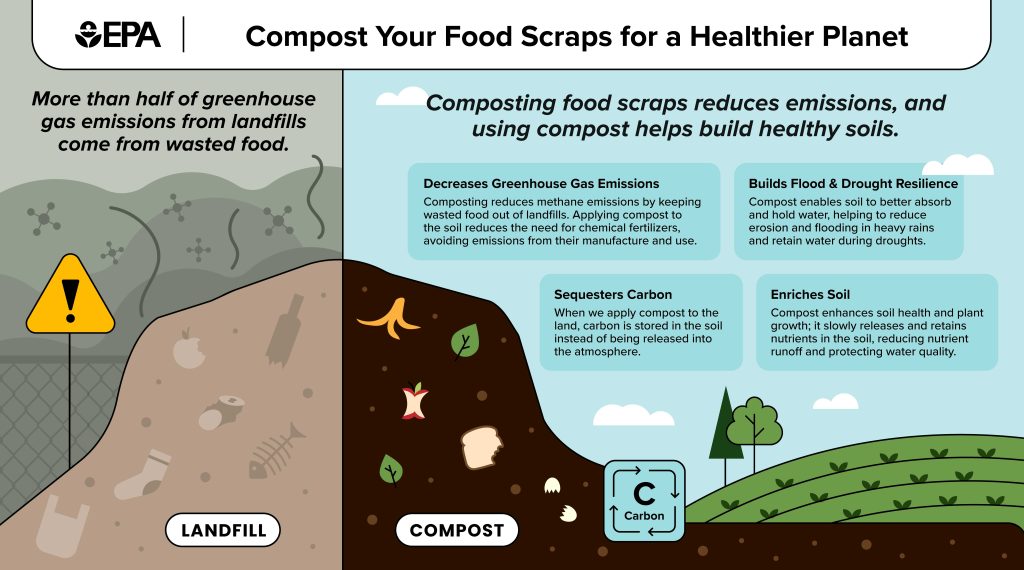
Recycling leaves reduces landfill mass, lowering methane emissions. It also decreases reliance on commercial fertilizers by providing natural nutrients to your garden soil.
Cost-Effective and Eco-Friendly Practices
Bagging leaves at home cuts down on waste disposal costs. Using natural mulch from leaves minimizes the need for chemical fertilizers and enhances your garden’s sustainability.
Additional Resources and Tools
Look into local composting programs and community green waste efforts. Invest in quality leaf bags and compost bins to streamline your process. Online tutorials can offer creative ideas for efficient leaf management.
Related Topics for Further Exploration
Learn about composting kitchen scraps, pest management in compost piles, and creating different types of compost for various plants. These related topics complement leaf storage and enhance your gardening success.
Maintaining good practices for bagging and storing leaves ensures you have high-quality organic material ready for composting whenever needed. By following these tips, you turn yard waste into a valuable resource and contribute to a healthier environment.
Storing Compost for Future Use
Frequently Asked Questions
What are the best materials to use for storing leaves in bags?
Use breathable materials like burlap or paper bags to store leaves. These allow air circulation, preventing moisture build-up and reducing the risk of mold. Avoid plastic bags, as they trap moisture and can cause the leaves to rot or develop unpleasant odors.
How can I prepare leaves before bagging them for composting?
Chop or shred the leaves into smaller pieces to speed up decomposition. Mixing different types of leaves, such as hardwood and softwood, can create a balanced compost. Ensure the leaves are dry before bagging to prevent mold growth and maintain proper aeration.
What is the ideal storage location for bags filled with leaves?
Store the bags in a shaded, well-ventilated area away from direct sunlight and excessive moisture. An outdoor shed or covered porch works well, as it keeps the leaves dry and prevents overheating, which could cause decomposition issues.
How long can I safely store leaves in bags before they lose their quality for compost?
Leaves can typically be stored in bags for up to six months without significant deterioration. Check periodically and refresh the storage area if you notice excessive moisture or mold development. Properly stored leaves maintain their nutrient value for composting over time.
Should I add any supplements or treatments to stored leaves to improve compost quality?
It’s generally unnecessary to add supplements to stored leaves. However, turning or aerating the bags occasionally helps prevent compaction and encourages even decomposition. If pests are a concern, adding a layer of dried leaves or natural pest deterrents can help keep the storage area pest-free.
Final Thoughts
Summing up, tips to bag and store leaves for future compost ensure efficient recycling of yard waste. Use breathable bags or bins to prevent mold and odors. Keep leaves in a cool, dry place to maintain their quality. Proper storage promotes healthy decomposition when added to your compost pile. Following these straightforward steps makes composting easier and more effective.