To quickly get rid of pesky insects in your lawn, start by selecting the right insect killer for your specific pests, follow the application instructions carefully, and ensure you apply it during optimal weather conditions for the best results.
In just a few simple steps, you can reclaim your lush green space from unwanted insects. First, identify the type of pests invading your lawn. Then, choose an appropriate insecticide, and apply it evenly across your yard, paying special attention to heavily infested areas. Timing and proper application are key to effective pest control and maintaining a healthy lawn.
Getting rid of lawn insects might seem daunting, but with the right approach, it’s straightforward and effective. In this guide, we’ll explore simple, practical tips on how to use lawn insect killer so you can enjoy a pest-free yard all season long. Whether you’re dealing with grubs, ants, or other pests, knowing the correct method ensures your lawn stays lush and healthy.

How to Use Lawn Insect Killer: A Complete Guide
Using lawn insect killer properly is essential for keeping your yard healthy and pest-free. It helps protect your grass from pests that can damage or kill your lawn. Proper application ensures safety for your family, pets, and the environment while effectively controlling insects.
Understanding Different Types of Lawn Insect Killers
There are various lawn insect killers available, and choosing the right one depends on your specific pest problem. Knowing the differences helps you select the most effective product for your needs.
Granular Insect Killers
Granular insect killers come in small, pellet-like forms. They are spread over the lawn using a spreader and work gradually as the granules dissolve in moisture. They are effective for controlling surface insects like ants and beetles.
Liquid Insect Killers
Liquid insect killers are applied with a sprayer and provide quick results. They are especially good for targeting insects hiding beneath the grass or soil surface. Be sure to follow the mixing instructions carefully for safe and effective use.
Ready-to-Use Insect Sprays
These are pre-mixed sprays that you can apply directly from the container. They are convenient for spot treatments on specific problem areas. Use them carefully to avoid over-application and harm to beneficial insects.
Preparation Before Applying Lawn Insect Killer
Proper preparation maximizes effectiveness and minimizes risks. Before applying any product, take the following steps.
Read the Label Carefully
Always read the manufacturer’s instructions and warnings. Pay attention to application rates, safety precautions, and environmental considerations. Following the label ensures safe and effective pest control.
Wear Protective Gear
Use gloves, goggles, and a mask if necessary to avoid contact with chemicals. Protect your skin and eyes from accidental splashes and inhalation of fumes.
Check Weather Conditions
Avoid applying lawn insect killers before rain or wind. Wait for a dry day with no rain forecasted to ensure the product sticks to the grass and doesn’t wash away.
Clear the Lawn
Remove any toys, pet bowls, or garden decor from the lawn. Keep your pets and children away during and immediately after application to avoid exposure.
How to Apply Lawn Insect Killer Correctly
Applying the insect killer properly ensures the best results while maintaining safety.
Applying Granular Insect Killers
- Measure the correct amount using the product’s spreader settings.
- Distribute the granules evenly across the lawn to prevent patches where insects can survive.
- Water the lawn lightly after spreading to activate the product and help it penetrate the soil.
Applying Liquid Insect Killers
- Fill your sprayer with the recommended amount of solution, mixing thoroughly.
- Start spraying from one corner of the yard, moving in straight, overlapping lines.
- Cover the entire lawn, paying special attention to areas with high pest activity.
- Apply during early morning or late evening to avoid the sun’s direct heat, which can reduce effectiveness.
Spot Treatment with Ready-to-Use Sprays
- Identify the areas with visible pests or damage.
- Spray directly onto the pests or affected grass patches.
- Follow the instructions for the maximum number of treatments per area.
Post-Application Care and Monitoring
After applying lawn insect killer, monitor your yard for pest activity and lawn health. Follow these steps for ongoing lawn maintenance.
Watering and Lawn Maintenance
Light watering after application can help activate the insecticide, especially for granular products. Avoid excessive watering that could wash away the chemicals.
Observe Pest Activity
Check your lawn after a few days for signs of pests. If necessary, apply another treatment following the product’s guidelines. Keep monitoring regularly to catch new pest infestations early.
Prevent Future Infestations
Maintain a healthy lawn through proper mowing, fertilizing, and aerating. A healthy lawn is less attractive to pests and requires fewer treatments.
Safety Tips for Using Lawn Insect Killer
Safety should always be your top priority. Follow these tips to protect yourself, your family, pets, and the environment.
Use the Correct Dosage
Applying more than the recommended amount does not improve results and can harm the environment. Stick to the label instructions for safe use.
Store Products Safely
Keep insect killers out of reach of children and pets in a secure, labeled container. Store in a cool, dry place away from food and water sources.
Dispose of Leftover Products Properly
Follow local regulations for disposal. Do not pour leftover chemicals down the drain or onto the ground unless instructed.
Clean Equipment After Use
Wash sprayers, gloves, and other tools thoroughly after application to prevent accidental exposure or chemical contamination.
Related Topics to Consider
- How to prevent lawn pests naturally
- Best fertilizers for a healthy lawn
- Best mowing practices for pest control
- Eco-friendly lawn care alternatives to chemical insecticides
Using lawn insect killer effectively requires understanding the product types, proper preparation, application techniques, and safety precautions. Regular monitoring and lawn maintenance help keep pests away and your yard looking lush and healthy.
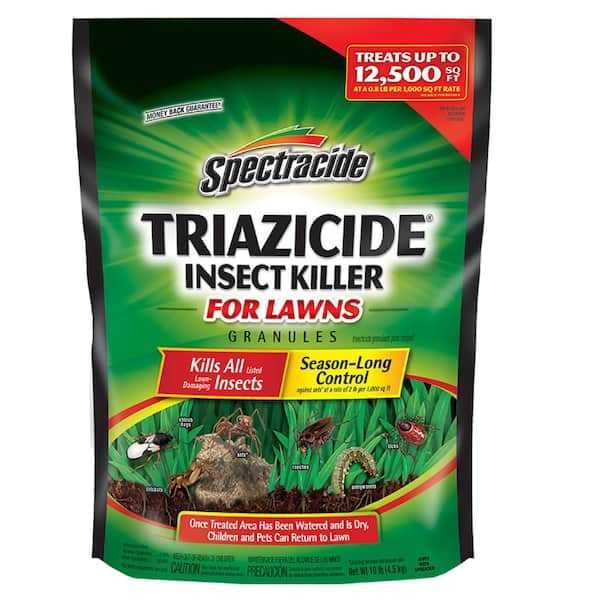
How to Use Spectracide® Triazicide® Insect Killer For Lawns Granules
Frequently Asked Questions
How should I prepare my lawn before applying insect killer?
Ensure your lawn is dry and free of debris such as leaves and grass clippings. Mow your grass to a height that allows even coverage of the product. If necessary, water your lawn a day before application to help the insecticide penetrate the soil and reach the pests more effectively.
What is the best way to apply lawn insect killer for even coverage?
Use a broadcast or handheld spreader for uniform distribution. Follow the manufacturer’s recommended application rate, and walk systematically across your lawn to prevent missed spots. Avoid overlapping application to prevent overuse of the product, which can harm your grass and environment.
When is the optimal time to treat my lawn with insect killer?
Apply insect killer in the early morning or late evening to avoid direct sunlight, which can cause the product to break down quickly. Treat your lawn when you notice pests actively feeding or damaging your grass. Regular monitoring can help you determine the best treatment times to keep pests under control.
How long should I wait before allowing pets and children back onto the lawn?
Refer to the product label for specific waiting times, but generally, you should wait at least 24 to 48 hours after application before reintroducing pets and children. Ensure the lawn has dried completely and the product has had enough time to settle and become less active to minimize risks.
What maintenance steps should I take after applying the insect killer?
Water your lawn lightly if instructed by the product guidelines to help the insecticide reach the soil. Avoid mowing the treated area for a few days to allow the product to work effectively. Keep an eye on pest activity and reapply if necessary, following the recommended interval specified on the label.
Final Thoughts
Using lawn insect killer effectively ensures a pest-free yard. Read the product label carefully to determine the correct dosage and application method. Apply the insect killer during calm weather to prevent drift and maximize coverage.
Ensure safety by wearing gloves and keeping pets and children away during treatment. Reapply as recommended to maintain protection.
In conclusion, knowing how to use lawn insect killer precisely helps keep your lawn healthy and pest-free. Follow these steps for optimal results and enjoy a lush, bug-free yard.