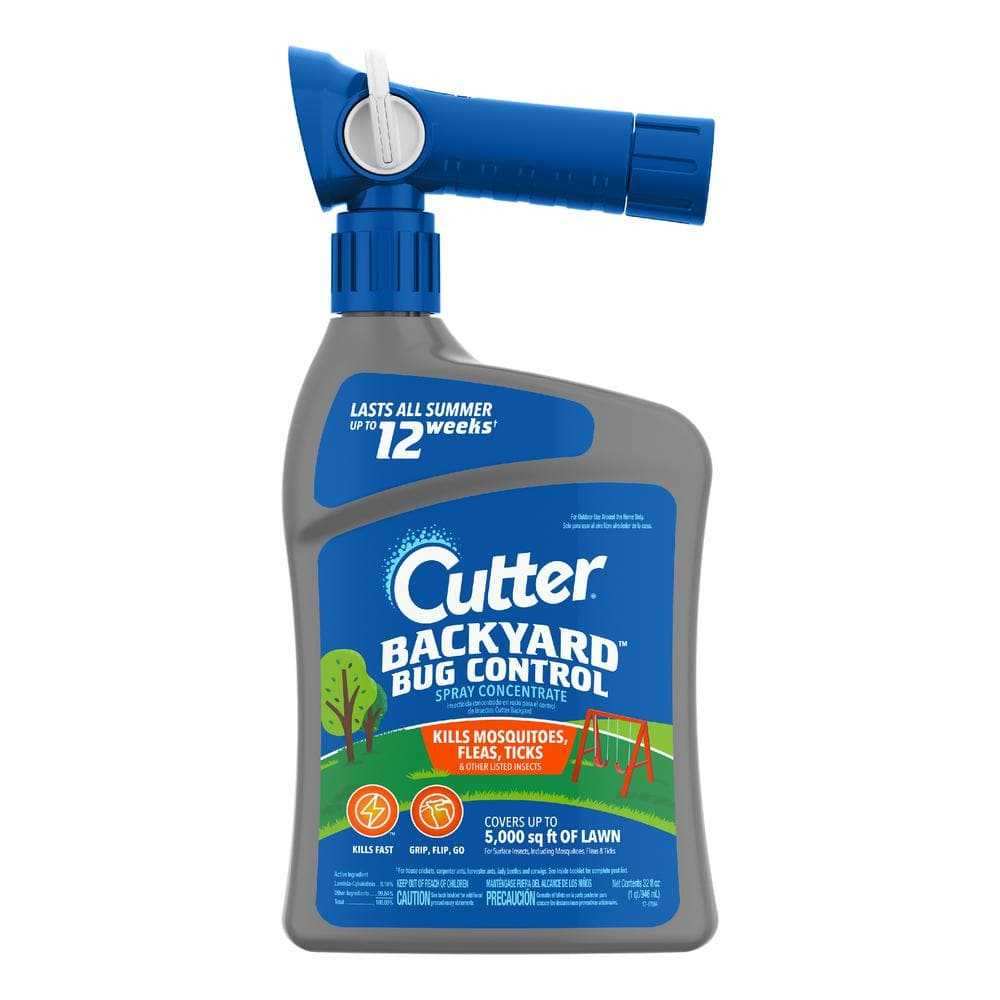
Apply lawn bug killer as soon as you notice signs of insect activity or damage, ideally during early spring or late summer when pests are most active. Timing is crucial to prevent serious infestations that can ruin your lawn’s health and appearance.
In short, the best time to apply lawn bug killer is when pests are actively feeding, usually in the early stages of their lifecycle, to ensure effective control. Early treatment helps protect your grass before damage becomes widespread. Monitoring your lawn regularly can help you catch infestations early and decide the optimal moment for treatment.
If you want a lush, healthy lawn free of bugs, knowing exactly when to treat is key. Acting promptly when signs appear, particularly during peak pest activity seasons, will save you time, effort, and money in the long run. Proper timing ensures you target pests when they are most vulnerable, leading to better control and a more beautiful yard.

When to Apply Lawn Bug Killer
Understanding Lawn Pest Activity Seasons
Knowing the right time to apply lawn bug killer depends greatly on the seasons and pest activity. Most insects become active during specific times of the year, especially in warm weather. Applying the right product at the wrong time can be ineffective or even harm your lawn.
Spring: The Beginning of Pest Activity
In spring, many pests emerge as temperatures rise. Lawn bugs such as grubs and chinch bugs start to become active in early spring. Applying bug killer during this period can prevent populations from growing out of control.
**Key point:** Target pests early in the season before they cause extensive damage.
Summer: Peak Pest Activity
Summer is when most pests are at their most active and damaging. It’s the ideal time to apply bug killers for pests like fire ants, chinch bugs, and billbugs. Regular monitoring during summer helps catch infestations early.
**Tip:** Use insecticides recommended for summer pests and follow label instructions closely.
Fall: The Final Window for Pest Control
Even in fall, certain pests remain active or are preparing to overwinter. Applying bug killer in late fall can prevent pests from overwintering underground or in thatch layers.
**Important:** Be cautious not to apply late in the season if the weather is turning cold, as pests may be less active.
Winter and Pest Control
Generally, pest activity drops significantly in winter, especially in colder climates. However, some pests like certain types of beetles may stay dormant underground. Consider applying a winterizer or dormant spray if recommended for your grass type and pests.
Monitoring Your Lawn for Pest Signs
Before applying bug killer, observe your lawn for signs of pest activity. Look for chewed grass, irregular patches, or visible insects. Identifying pests allows for targeted treatment, which is more efficient.
**Tip:** Use sticky traps or inspect soil and thatch layers to find pests early.
Timing Based on Pest Life Cycles
Understanding pest life cycles helps determine the best application time. Many insects have specific stages when they are most vulnerable to insecticides.
**For example:**
- Grubs are most vulnerable when they are small and near the soil surface in late spring and early summer.
- Chinch bugs peak in late summer when they damage turfgrass foliage.
Using Pest Lifecycle Knowledge for Optimal Timing
Applying bug killer during vulnerable stages can significantly reduce pest populations. Follow local agricultural reports or speak with lawn care experts to identify peak activity times.
Weather Considerations for Applying Lawn Bug Killer
Weather plays a crucial role in the effectiveness of pest control. Avoid spraying insecticide before heavy rain, which can wash away the product.
**Ideal conditions:**
- Temperatures between 65°F and 85°F
- Dry conditions for at least 24 hours after application
**Note:** Morning or late afternoon applications prevent scorch and allow better absorption.
Frequency of Application for Lawn Bug Control
Follow recommended intervals based on the product used. Overapplication can harm beneficial insects and turf health. Usually, reapplication every 14 to 21 days is sufficient for ongoing pest control.
**Tip:** Always read label instructions for specific reapplication guidelines.
Special Situations Requiring Immediate Action
If you notice rapid turf damage or a sudden increase in pests, timely application is critical. Use a broad-spectrum insecticide to knock down multiple pests at once.
**Warning:** In extreme cases, professional pest control might be necessary.
Best Practices for Applying Lawn Bug Killer
– Always read and follow label directions for dosages and safety precautions.
– Apply during calm, dry weather for maximum effectiveness.
– Wear protective gear to avoid contact with chemicals.
– Water your lawn lightly before application if the product recommends it.
Historical Pest Trends and Regional Differences
Certain pests are more common in specific regions or climates. For instance, southern zones may see more fire ant activity, while northern regions might deal with more grubs. Understanding these regional trends can guide timing.
**Tip:** Contact local extension offices for regional pest forecasts.
Integrate Cultural Practices with Chemical Control
Timing bug killer applications along with other lawn care practices enhances pest control. Proper mowing, watering, and fertilization reduce pest habitats and improve overall lawn health.
**Recommendation:** Apply bug killer during regular lawn maintenance schedules for efficiency.
Applying lawn bug killer at the correct time is vital for effective pest management and maintaining a healthy lawn. Being aware of pest activity seasons, monitoring signs of infestation, and understanding pest life cycles help in scheduling treatments. Always consider weather conditions and follow safety guidelines for best results. Proper timing ensures your lawn stays lush, green, and free of pests without unnecessary chemical use.
How to Use Spectracide® Triazicide® Insect Killer For Lawns Granules
Frequently Asked Questions
How can I identify the right time to apply lawn bug killer?
Applying lawn bug killer is most effective when you notice signs of infestation, such as chewed or damaged grass, small pests, or visible insects. It’s best to treat early in the season or when pests begin appearing to prevent widespread damage. Monitoring your lawn regularly helps determine the optimal time to act before pests cause extensive harm.
What weather conditions are ideal for applying lawn bug killer?
Choose a day when the weather is dry and calm to ensure the product adheres properly to the grass and pests. Avoid applying during rain, as it can wash away the treatment, and wait for a period of no wind to prevent drift onto unintended areas. Moderate temperatures, neither too hot nor too cold, help the chemicals work effectively.
Is there a specific time of day that works best for applying bug killer on my lawn?
Applying lawn bug killer in the early morning or late afternoon is best because temperatures are cooler, and there is often less wind. These times allow the treatment to settle without quick evaporation or drift, maximizing contact with pests and reducing the risk of harming beneficial insects or pets.
How often should I wait between applications of bug control products?
Follow the instructions provided with your specific product to determine the appropriate interval between treatments. Generally, wait at least 7 to 14 days before reapplying, but avoid exceeding the recommended number of applications. Proper timing helps prevent pest resistance and reduces chemical buildup.
Should I treat my lawn at a certain growth stage for better results?
Apply bug killer when your grass is actively growing and healthy, as this allows the grass to recover quickly from any damage caused by pests or the treatment itself. Avoid applying during extreme heat or drought conditions, which can stress the lawn and make it more susceptible to damage.
Final Thoughts
When to apply lawn bug killer depends on pest activity and grass health. Early spring or late fall are ideal times when bugs begin to emerge or prepare for winter. Applying during these periods helps prevent severe infestations.
Monitor your lawn regularly for signs of pests. If you notice damage or insects, apply the bug killer promptly. Avoid treatments during droughts or when rain is forecasted to ensure effectiveness.
In summary, knowing when to apply lawn bug killer ensures your lawn stays healthy. Timing it correctly helps control pests before they cause extensive damage.