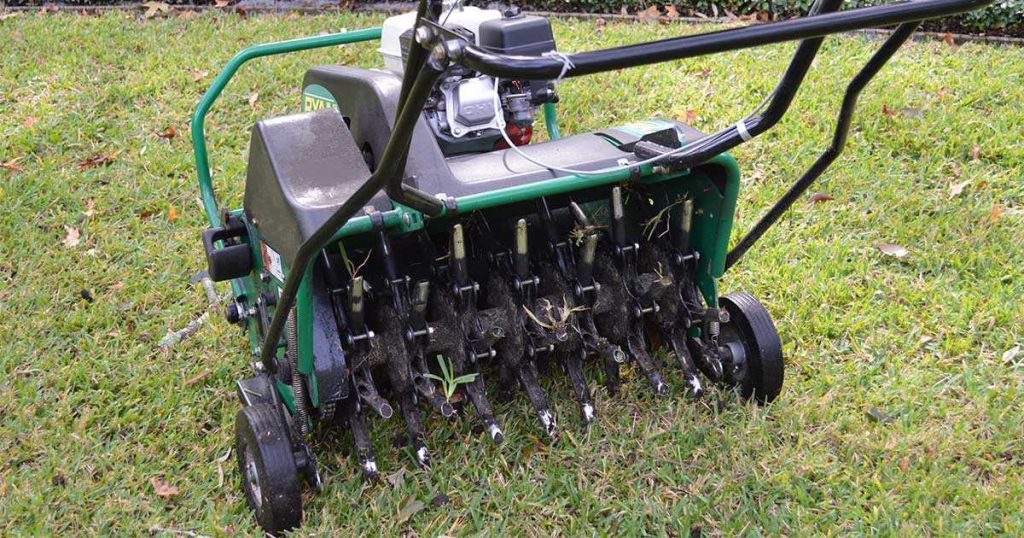
Using a lawn aerator is a straightforward process that can significantly improve the health of your lawn. To start, simply mow your grass to a shorter height, which makes aeration easier. Next, choose a day when the ground is moist but not overly wet; this makes it easier for the aerator to penetrate the soil. Walk the aerator across your lawn in straight lines, allowing it to create holes every few inches. Be sure to cover the entire area for even aeration. After aerating, consider applying a light layer of compost or fertilizer to help your grass recover and thrive. With just a little effort, you’ll have a healthier, greener lawn in no time!
Lawn aeration is a crucial part of lawn care that allows air, water, and nutrients to reach the roots of your grass. Over time, soil can become compacted, reducing its ability to support healthy grass growth. Aerating your lawn helps alleviate this issue, promoting better root development and improving overall lawn vitality. Whether you’re preparing for the growing season or looking to revive a tired lawn, understanding how to effectively use a lawn aerator is essential. Throughout this article, we’ll explore the steps, benefits, and tips for achieving the best results with your lawn aeration efforts. Get ready to transform your yard into a lush, green paradise!

“`html
How to Use a Lawn Aerator: A Complete Guide
When it comes to maintaining a healthy and lush lawn, aeration plays a crucial role. Lawn aerators help improve soil compaction, allowing air, water, and nutrients to reach the grass roots more effectively. In this guide, we’ll delve into the details of using a lawn aerator, the benefits it offers, and tips for optimal results.
What is Lawn Aeration?
Lawn aeration is a process that involves perforating the soil with holes to allow air, water, and nutrients to penetrate down to the roots. This practice promotes a healthier lawn by reducing soil compaction and encouraging root growth.
There are two primary types of aerators:
- Spike Aerators: These create holes in the soil by poking through it.
- Core Aerators: These remove small plugs of soil from the lawn.
Core aerators are generally preferred as they remove soil, providing better airflow and improving drainage.
Benefits of Using a Lawn Aerator
Aeration offers several advantages for your lawn:
- Improves soil drainage.
- Enhances nutrient absorption.
- Reduces soil compaction.
- Encourages healthy root growth.
- Increases the effectiveness of fertilizers and water.
Overall, aeration leads to a thicker and more resilient lawn that can withstand stress, disease, and drought.
When to Aerate Your Lawn
Timing is essential for successful lawn aeration. Here are the guidelines for when to aerate:
- Cool-season grasses: Early spring or early fall is ideal.
- Warm-season grasses: Late spring to early summer works best.
Aerization should ideally be done when the soil is moist but not soaked. This allows the aerator to penetrate the soil more easily.
Preparing Your Lawn for Aeration
Before you start aerating, it’s crucial to prepare your lawn properly. Follow these steps:
1. **Mow Your Lawn**: Trim the grass to a lower height than usual. This makes it easier for the aerator to penetrate the soil.
2. **Water the Lawn**: Water your lawn thoroughly a day or two before aerating. The soil should be moist but not muddy.
3. **Remove Debris**: Clear any leaves, sticks, or stones from your lawn. This helps your aerator work more efficiently.
4. **Mark Irregular Areas**: If you have sprinkler heads or other fixtures, mark them to avoid damaging them during the process.
How to Use a Lawn Aerator
Using a lawn aerator can be straightforward. Here’s a step-by-step guide:
1. Choose the Right Aerator
Select between a manual or powered aerator based on the size of your lawn and your physical capacity. Manual aerators are perfect for smaller areas, while powered aerators are more efficient for larger lawns.
2. Set Up the Aerator
If using a powered aerator, follow the manufacturer’s instructions for setup. Ensure that the machine is functioning correctly before starting.
3. Begin Aerating
Start aerating your lawn in straight lines. Overlap your passes slightly to ensure even coverage.
– For a core aerator, aim for a distance of about 3-4 inches between holes.
– For a spike aerator, maintain a similar distance to avoid compacting the soil further.
4. Cross-Over Technique
For the best results, consider using a cross-over technique. After completing the first pass, go over the same area in a perpendicular direction. This helps achieve greater soil penetration and improvement.
5. Maintain Steady Speed
Keep a consistent pace while operating the aerator. Rushing can lead to uneven holes and poor results.
Post-Aeration Care
Once you’ve finished aerating, there are a few important steps to follow to maximize your lawn’s recovery:
- Leave Soil Plugs on the Lawn: Allow the soil plugs to break down and return nutrients to the soil.
- Fertilize: After aeration, apply a high-quality fertilizer to support new growth.
- Water Generously: Ensure your lawn receives adequate water after aeration to help the grass recover.
Hitting these key steps will promote healthy growth and recovery.
Common Mistakes to Avoid While Aerating
Even experienced gardeners can make mistakes. Be aware of these common pitfalls:
- Aerating When the Soil is Too Wet: This can lead to further soil compaction.
- Ignoring Lawn Maintenance: Regular mowing and watering are still crucial.
- Over-Aeration: Aerating too frequently can stress the grass.
Be mindful of these to ensure successful aeration.
Alternative Lawn Care Techniques
While aeration is critical, it is not the only technique for maintaining a healthy lawn. Consider these additional practices:
- Regular Mowing: Helps maintain grass health and encourages lateral growth.
- Proper Watering: Deep, infrequent watering promotes strong root systems.
- Topdressing: Applying a thin layer of compost can support lawn health.
Incorporating these methods will enhance the benefits of aeration and promote vibrant growth.
Signs Your Lawn Needs Aeration
How do you know your lawn is in need of aeration? Watch for these indicators:
- Water Puddles: If water pools on your lawn after rain, it’s a sign of compaction.
- Thin Grass: Sparse grass or bald patches suggest soil issues.
- Hard Soil: If you have difficulty pushing a screwdriver into the soil, it’s likely compacted.
Keeping an eye on these signs can help you maintain a healthy lawn.
Aeration is a valuable practice for any homeowner looking to cultivate a thick and lush lawn. By understanding how to aerate correctly and following the appropriate steps before, during, and after the process, you’ll promote a thriving landscape. Take the time to care for your lawn, and it will reward you with beauty and vitality for years to come.
“`
How To Aerate your Lawn EASY – CORE AERATION
Frequently Asked Questions
“`html
What is the best time of year to aerate my lawn?
The best time to aerate your lawn typically falls in the spring or early fall. During these seasons, grass is actively growing, which allows it to recover quickly from the aeration process. Aerating in the fall is particularly beneficial as the cooler temperatures and increased rainfall promote healthy growth.
How deep should I aerate my lawn?
When aerating your lawn, aim to remove plugs of soil that are about 2 to 4 inches apart and 2 to 3 inches deep. This depth allows for optimal penetration and ensures that the aerator effectively breaks up compacted soil, promoting better water and nutrient absorption.
Should I water my lawn before aerating?
Yes, watering your lawn a day or two before you aerate is advisable. Moist soil allows the aerator to penetrate the ground more easily, making the process smoother and more effective. Just make sure the ground is not overly saturated; it should be damp but not muddy.
What should I do after aerating my lawn?
After aerating, you can enhance your lawn’s health by applying a light layer of compost or fertilizer. This helps nutrients reach the roots more effectively. Additionally, continue regular watering and mowing practices to support recovery and growth.
Can I use a lawn aerator on all types of grass?
Most lawn aerators work well on a variety of grass types, including cool-season and warm-season grasses. However, specific grass varieties may respond differently to aeration. Always check if your grass type has any unique care requirements related to aeration.
“`
Final Thoughts
Using a lawn aerator improves soil health and promotes vibrant grass growth. To use a lawn aerator, start by mowing the lawn and marking any obstacles. Then, evenly cover the lawn, ensuring you make multiple passes in different directions for optimal aeration.
After aerating, consider adding fertilizers or overseeding to enhance results. Regular aeration, especially in compacted areas, keeps your lawn healthy and thriving. Remember to follow the steps outlined on how to use lawn aerator for best outcomes. With consistency, your lawn will flourish beautifully.