When it comes to aerating your lawn, the general rule of thumb is to aerate to a depth of about 2 to 4 inches. This depth allows for optimal air, water, and nutrient penetration without damaging the grass roots. Aeration is a crucial step in maintaining a healthy lawn, as it helps alleviate soil compaction and promotes stronger grass growth. If you’re wondering how deep to aerate your lawn, keep in mind that different soil types and grass varieties may require slight adjustments. Ultimately, the goal is to create holes that allow the roots to breathe and access necessary resources, ensuring your lawn thrives. Let’s dive deeper into the best practices for aeration and how it can transform your yard into a lush, green paradise.

How Deep to Aerate Lawn
Aerating your lawn is a crucial step in maintaining its health and vibrancy. The question many homeowners ask is, “How deep should I aerate my lawn?” Understanding the right depth for aeration can ensure that your lawn receives the necessary nutrients, air, and water it needs to thrive. In this article, we will delve deep into the ins and outs of lawn aeration, providing you with everything you need to know about the depth of aeration and its benefits.
What is Lawn Aeration?
Lawn aeration is the process of perforating the soil with holes to allow air, water, and nutrients to penetrate the grass roots. This practice helps alleviate soil compaction, enhances root growth, and improves overall turf health.
Why Aerate Your Lawn?
There are several benefits to aerating your lawn:
- Reduces soil compaction
- Improves nutrient absorption
- Increases water retention
- Encourages strong root development
- Enhances overall lawn health
Understanding these benefits highlights why aeration is an essential part of lawn care.
Understanding Soil Compaction
Before determining how deep to aerate, it’s essential to understand what soil compaction is. Compacted soil occurs when soil particles are pressed together, reducing pore space and limiting the movement of air and water.
Signs of Compacted Soil
A few indications that your lawn may benefit from aeration include:
- Water pooling on the surface
- Thin patches of grass
- Hard, dry soil
- Weak root systems
If you notice any of these signs, it might be time to think about aerating your lawn.
Determining the Right Depth for Aeration
The recommended depth for lawn aeration depends on several factors, including grass type and soil condition. Generally, the optimal aeration depth ranges from 2 to 4 inches.
Factors Influencing Aeration Depth
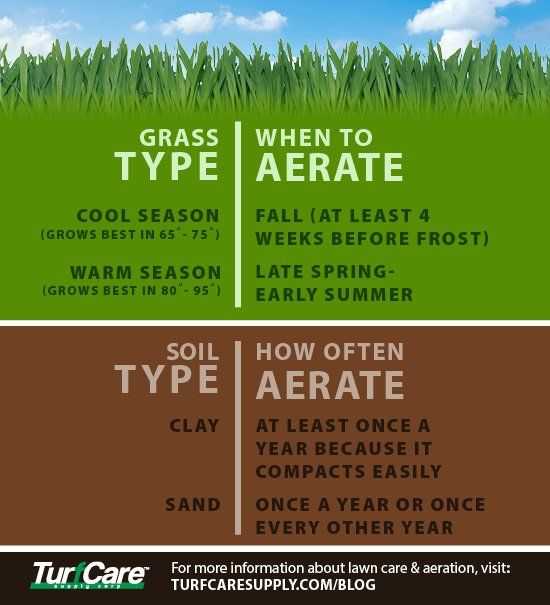
1. **Grass Type**: Different grass species have varying needs. For instance, cool-season grasses typically require deeper aeration compared to warm-season varieties.
2. **Soil Type**: Sandy soils usually need less aeration depth than clay soils, which may require deeper and more frequent aeration due to their density.
3. **Lawn Health**: A lawn that shows signs of stress or poor growth may require deeper aeration to restore its health.
Methods of Aeration
There are two primary methods for aerating a lawn: spike aeration and core aeration.
Spike Aeration
Spike aeration involves using a tool with sharp tines to pierce the soil. While this method is easier and quicker, it may not provide the best results for compacted soils.
Core Aeration
Core aeration removes small plugs of soil, allowing for better air flow and nutrient penetration. This method is generally more effective and is recommended for most lawns.
How to Aerate Your Lawn
To achieve the right depth and effectiveness during aeration, follow these simple steps:
1. **Prepare Your Lawn**: Mow the grass to a manageable height and remove any debris or rocks.
2. **Choose the Right Tools**: Opt for a core aerator for best results. These can often be rented from local equipment stores.
3. **Aerate in the Right Conditions**: Aim to aerate your lawn when the soil is moist but not wet. Late spring and early fall are ideal times for aeration.
4. **Overlap Your Passes**: When aerating, make sure to overlap each pass by about 5-10% to ensure complete coverage.
Frequency of Aeration
How often you should aerate your lawn will depend on its condition and grass type:
- **Cool-season grasses**: Every 1-3 years
- **Warm-season grasses**: Every 2-3 years
Checking your lawn regularly will help you determine if and when it needs aeration.
Post-Aeration Care
After aerating, it’s important to care for your lawn correctly:
1. **Watering**: Water your lawn thoroughly after aeration to help the roots recover and promote beneficial microbial activity.
2. **Fertilization**: Applying a balanced fertilizer will help in replenishing nutrients lost during the aeration process.
3. **Overseeding**: Mixing grass seeds with existing turf after aeration can help create a thicker, healthier lawn.
Common Mistakes to Avoid
When aerating your lawn, avoid these common mistakes:
- Not aerating moist soil
- Leaving plugs on the lawn without breaking them up
- Not aerating often enough
Being aware of these pitfall can help you maximize the benefits of aeration.
Proper aeration is essential for maintaining a healthy lawn. By understanding how deep to aerate, the right methods, and how to care for your lawn post-aeration, you can ensure that your grass thrives. Remember to consider your grass type, soil conditions, and the specific needs of your lawn to achieve the desired results. Aerating at the right depth and frequency can lead to a lush, green lawn that is the envy of the neighborhood.
Aerating Lawns When it's Done and Why
Frequently Asked Questions
“`html
What is the optimal frequency for aerating a lawn?
Aerating your lawn typically works best once or twice a year, depending on the type of grass and soil conditions. For cool-season grasses, fall is the ideal time, while warm-season grasses benefit from aeration in late spring or early summer. If your lawn experiences heavy foot traffic or poor drainage, consider aerating more frequently, such as every six months.
How can I tell if my lawn needs aeration?
Look for signs such as compacted soil, poor drainage, or sparse grass growth. If you struggle to push a screwdriver into the ground, it indicates compaction. Watch for areas where water pools after rainfall. Additionally, if your lawn feels spongy or has patchy growth, it may benefit from aeration.
What equipment should I use to aerate my lawn?
You can use a manual or power aerator for the job. Manual aerators work well for small areas or less severe compaction, while power aerators are better suited for larger lawns or more significant compaction issues. Whichever you choose, ensure it has hollow tines to remove soil plugs efficiently.
Can aeration improve lawn health?
Yes, aeration significantly enhances lawn health. By creating holes in the soil, aeration improves air and water circulation, allowing grassroots to expand and absorb nutrients more effectively. This process helps eliminate thatch build-up and promotes a vibrant, healthy lawn.
What time of year is best for aeration?
The ideal time for lawn aeration varies based on the type of grass. For cool-season grasses, aim for early fall or spring. For warm-season grasses, late spring is optimal. Aerating during the right season maximizes the benefits of aeration, helping your lawn recover and thrive.
“`
Final Thoughts
To achieve a healthy and thriving lawn, understanding how deep to aerate lawn is crucial. Aim for a depth of about 2 to 4 inches when aerating, ensuring that the soil receives adequate oxygen and moisture. Aerating too shallow may not provide the necessary benefits for soil health, while going too deep can disturb roots.
Regular aeration, particularly during the growing season, helps maintain a vibrant lawn. By following these guidelines, you can enhance the overall quality of your grass and promote strong roots.