To effectively treat lawn bugs, quickly identify the type of pest and use targeted insecticides or natural remedies. Keep your lawn healthy by watering appropriately, aerating, and removing debris to make it less inviting for bugs. Regular monitoring and prompt treatment can save your lawn from serious damage.
Treating lawn bugs begins with identifying the specific pest causing trouble and applying the right treatment, whether chemical or natural. Maintaining a healthy lawn through proper watering, aeration, and lawn care practices also plays a crucial role in preventing infestations. The key is to stay vigilant and act early to keep your yard lush and bug-free.
When your lawn starts showing signs of damage such as thinning grass, brown patches, or visible pests, it’s easy to worry about how to restore its beauty. Lawn bugs, including grubs, chinch bugs, and sod webworms, can cause significant harm if not addressed promptly. Fortunately, there are effective strategies to control these pests and keep your lawn healthy. From natural remedies like beneficial nematodes and insecticidal soaps to targeted chemical treatments, understanding the right approach helps you combat lawn bugs efficiently. Regular lawn maintenance, proper watering, and timely intervention are your best defenses in preserving a vibrant, bug-free yard.

How to Treat Lawn Bugs: A Complete Guide
Understanding Lawn Bugs and Why They Are a Problem
Lawn bugs are insects that feed on the grass, roots, or thatch of your lawn. They can cause visible damage such as brown patches, wilting, and uneven turf. Identifying the right pest is crucial for effective treatment and restoring your lawn’s health.
Common Types of Lawn Bugs
- Chinch Bugs: Tiny insects that suck sap from grass leaves, causing yellow or brown patches.
- Grubs: White, C-shaped larvae that feed on grass roots, leading to dead patches.
- Armyworms: Caterpillars that chew through grass blades and can quickly damage large areas.
- Billbugs: Beetles whose larvae feed on grass stems and roots, weakening the turf.
Signs of a Lawn Bug Infestation
Inspect your lawn regularly for the following signs:
- Discolored or dead patches of grass.
- Spongy turf that feels soft underfoot.
- Presence of insects or larvae in the soil or on grass blades.
- Birds or pets digging in your yard, attracted by insects.
Preventive Measures to Keep Lawn Bugs Away
Prevention is easier than treatment. Follow these steps to reduce the risk:
- Mow regularly: Keep grass at the recommended height for your grass type to avoid stress.
- Aerate the soil: Improve water drainage and root growth, making your lawn less inviting to pests.
- Remove thatch buildup: Thatch thicker than half an inch can harbor insects.
- Water deeply but infrequently: Encourage strong root systems and discourage bug breeding.
- Use beneficial nematodes: These microscopic worms naturally kill soil-dwelling pests like grubs and larvae.
Effective Treatment Options for Lawn Bugs
Treating lawn bugs involves a combination of natural, organic, and chemical methods. Choose the best approach based on the severity of the infestation.
Natural and Organic Methods
Natural methods are gentle on the environment and safe for pets and children. They often require patience but can be highly effective.
Introduce Beneficial Nematodes
These microscopic worms attack and kill pests like grubs and beetle larvae in the soil. Apply nematodes according to package instructions, typically during the evening or on cloudy days for better survival.
Use Diatomaceous Earth
Sprinkle diatomaceous earth on the lawn to dehydrate and kill soft-bodied insects. Focus on areas where bugs are most active. Reapply after rain or heavy watering.
Plant Pest-Repelling Plants
Certain plants such as marigolds, garlic, and chives produce scents that deter bugs. Incorporate these into your landscape for ongoing pest prevention.
Chemical Treatment Options
Chemical pesticides can quickly eliminate severe infestations but should be used carefully.
Applying Insecticides
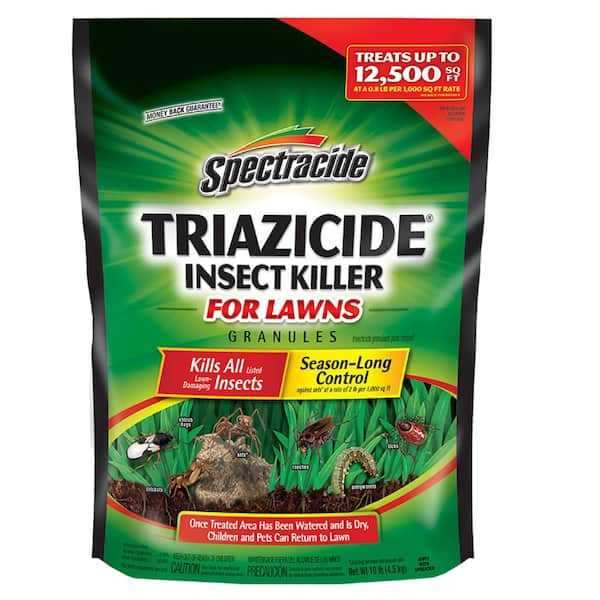
Choose insecticides labeled for specific pests like grubs or chinch bugs. Always follow label instructions carefully to avoid harm to beneficial insects and the environment.
Soil Drenches and Sprays
Use soil drenches for root-feeding insects and sprays for visible bugs on the turf. Apply during early morning or late evening for maximum effectiveness.
How to Properly Apply Treatments
Proper application ensures safety and effectiveness.
Step-by-Step Application Guide
- Read all product labels thoroughly.
- Wear protective gear, including gloves and masks.
- Apply treatments during calm weather to prevent drift and runoff.
- Water your lawn before and after applying to help treatments penetrate.
- Monitor your lawn regularly for signs of ongoing pest activity.
Timing and Frequency of Applications
Treat infestations promptly. Repeat treatments every few weeks if necessary, especially for persistent pests. Use natural methods as a first line of defense, and reserve chemical options for severe cases.
Additional Tips for Maintaining a Pest-Free Lawn
Maintaining lawn health reduces the likelihood of future pest problems.
Healthy Lawn Practices
- Fertilize according to your grass type’s needs.
- Aerate and dethatch annually.
- Water deeply but infrequently to promote deep roots.
- Overseed or overseed to maintain thick, resilient turf.
Regular Lawn Monitoring
Check your lawn weekly for early signs of pests. Early detection allows for less aggressive treatments and better results.
When to Call a Professional
If infestations persist despite your efforts, consult a lawn care specialist. Professionals have access to advanced treatments and can provide targeted solutions for stubborn pests.
Related Topics for Further Exploration
- Best grass types for pest resistance
- Organic lawn care tips
- How to prevent lawn disease
- Understanding soil health and its effect on pests
With consistent effort and the right approach, you can effectively control and eliminate lawn bugs. Remember, a healthy, well-maintained lawn is less attractive to pests and more enjoyable for you and your family.
How to Easily Treat Bugs in the Lawn / Keep Your Lawn Bug Free
Frequently Asked Questions
What are effective natural methods to eliminate lawn bugs?
Using natural methods to control lawn bugs involves introducing beneficial insects like nematodes, which prey on pests underground. Applying diatomaceous earth to affected areas can also damage the exoskeletons of bugs, leading to their death. Additionally, maintaining healthy grass through proper watering and fertilization makes your lawn less attractive to pests, reducing their populations over time.
How can I identify the type of lawn bugs I am dealing with?
Carefully inspecting your lawn reveals clues about the pest species. Look for specific signs such as irregular patches of dead grass, small tunnels, or visible insects. Take note of their size, shape, and color. Comparing these observations with online resources or consulting a lawn care professional helps in accurately identifying the bugs, which is crucial for selecting effective treatment options.
Are chemical treatments safe and effective for controlling lawn bugs?
Chemical insecticides can quickly reduce bug populations when used correctly. However, always follow label instructions and choose products specifically formulated for lawn pests. To minimize environmental impact, consider spot treatments rather than broad sprays. For better safety, combine chemical treatments with cultural practices like aeration and proper mowing to create an inhospitable environment for pests.
Final Thoughts
To treat lawn bugs effectively, identify the specific pest damaging your grass. Use targeted insecticides or natural remedies like neem oil for small infestations. Maintain healthy lawn practices, such as proper watering and mowing, to prevent future problems.
Regular inspections help catch issues early, reducing the need for chemical treatments. Focus on creating a resilient lawn environment that resists bugs.
In conclusion, understanding how to treat lawn bugs allows you to protect your yard. Keep a consistent maintenance routine and act quickly when pests appear.