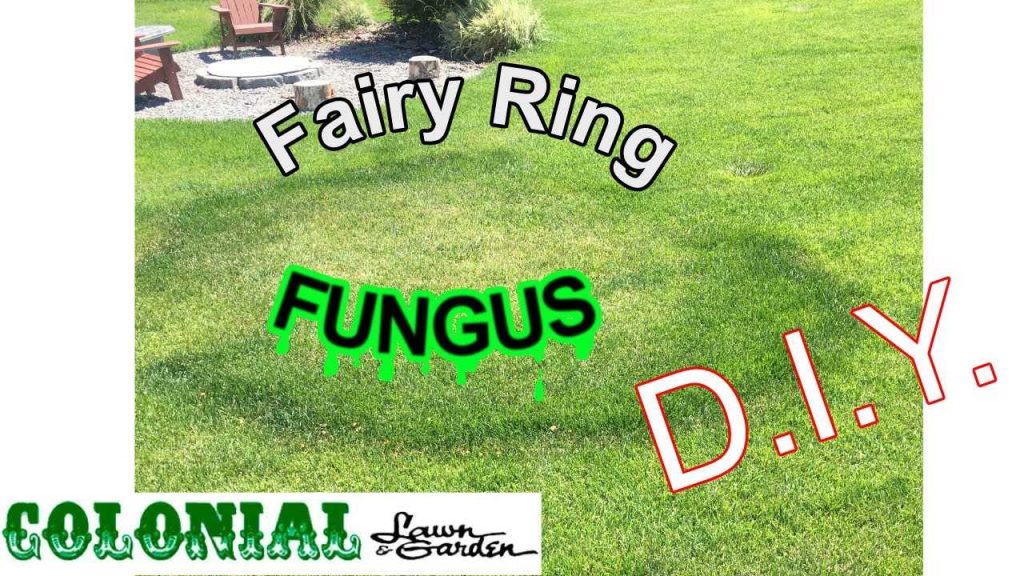
Fairy rings can be a pesky issue for homeowners with lawns, but treating them is more straightforward than you might think. The quickest solution is to encourage healthy grass growth by aerating the soil and applying a balanced fertilizer. This helps to strengthen your lawn and can diminish the appearance of these mysterious circles. Additionally, increasing watering in dry areas and overseeding thin patches can also help restore your lawn’s appearance. Now, let’s dive deeper into understanding what fairy rings are, why they appear, and explore more effective treatments to keep your grass healthy and beautiful. With the right approach, you can reclaim your lawn from these enchanting yet troublesome formations.

How to Treat Fairy Rings in Grass
Fairy rings are fascinating yet frustrating phenomena that can appear in your lawn or garden. These circular patches of grass, where the grass grows either lush and green or is completely absent, can lead to confusion for many homeowners. Understanding fairy rings is essential before diving into treatments. Let’s explore how to effectively manage and treat these enchanting rings in your grass.
What Are Fairy Rings?
Fairy rings are natural formations that occur when fungi break down organic matter in the soil. The rings can vary in size and often have a distinct difference in the grass’s appearance inside and outside the circle. Here are some key points about fairy rings:
- They can be either beneficial or harmful to your lawn, depending on the type of fungi involved.
- Some fairy rings lead to lush, dark grass on the outer edge.
- Others can create dry or dead patches of grass inside the ring.
Understanding the cause of these rings can help you decide on the best treatment method.
Identifying Fairy Rings
Before you can treat fairy rings effectively, you need to identify them correctly. Fairy rings typically display unique characteristics. Here’s what to look for:
- Circular patterns in the lawn.
- Variations in grass color and density.
- Possible mushrooms or fungi growing within the ring.
Identifying which type of fairy ring you have will guide your approach to treatment.
Causes of Fairy Rings
Understanding the causes of fairy rings is crucial in selecting the right treatment. They generally form due to mycelium from fungi that thrive in organic matter. Here are the common causes:
- Decomposing wood or plant matter underground.
- Inconsistent watering practices.
- Soil compaction and poor drainage.
Fungi can also spread through contaminated soil or grass seeds, making prevention vital.
Types of Fairy Rings
There are mainly two types of fairy rings: those that cause grass to grow more vigorously and those that lead to dead patches. Knowing the type can help you determine the best treatment:
- Type I: Dark green grass around the edges, often with mushrooms.
- Type II: Dead grass patches inside the ring with no additional growth.
Treatment methods will differ based on the type you encounter.
Best Practices for Treating Fairy Rings
Once you’ve identified the fairy ring and its type, you can implement effective treatment strategies. Here are some of the best practices:
Watering Techniques
Proper watering can prevent fairy rings from becoming worse. Here are tips for optimal watering:
- Water deeply and less frequently to promote strong root systems.
- Avoid over-watering, which can lead to fungal growth.
Consider using a sprinkler system that ensures even water distribution across your lawn.
Improving Soil Drainage
Poor drainage can exacerbate fairy rings. To improve drainage, try the following:
- Aerate your lawn to relieve compaction and improve water movement.
- Incorporate organic matter, like compost, to enhance soil structure.
Better drainage can help lessen the impact of fairy rings.
Removal of Organic Matter
Since fairy rings often thrive on decomposing organic matter, removing excess material can help. Here’s how to do it:
- Identify and remove any buried wood or plant matter.
- Regularly rake leaves and debris to prevent accumulation.
This practice helps to reduce the food source for the fungi.
Using Fungicides
In specific cases, fungicides can be used to manage fairy rings. Here’s what you should know:
- Consult with a lawn care professional before applying chemicals.
- Choose a fungicide specifically designed for fairy ring fungi.
Remember to follow the instructions carefully to avoid harming your grass.
Reseeding and Repairing Your Lawn
After treating fairy rings, repairing your lawn may be necessary. Here are steps to consider:
- Reseed any bare patches to encourage new growth.
- Apply a quality lawn fertilizer to support recovery.
Reseeding not only improves the appearance of your lawn but also helps it become more resilient.
Long-Term Maintenance Strategies
To prevent fairy rings from returning, effective long-term lawn care is essential. Here are a few strategies:
- Practice regular mowing to maintain grass height at about three inches.
- Fertilize your lawn based on soil tests to provide balanced nutrients.
Additionally, avoid compacting the soil by minimizing foot traffic on your lawn.
Monitor and Adjust
It’s essential to monitor your lawn regularly so you can catch any signs of fairy rings early. Pay attention to any noticeable changes in grass health or growth patterns.
- Keep a close eye on watering practices and soil conditions.
- Be proactive about removing any visible mushrooms or fungi as soon as you see them.
By staying vigilant, you can tackle fairy rings before they become a bigger issue.
Preventing Fairy Rings in the Future
Prevention is always better than cure. Here are some effective ways to keep fairy rings at bay:
- Aerate your lawn regularly to break up compacted soil.
- Maintain consistent watering habits, ensuring your lawn receives adequate moisture.
Regular lawn maintenance will keep your grass healthy and discourage fungal growth.
Treating fairy rings in grass can seem daunting at first, but with the right knowledge and practices, you can effectively manage and prevent them. Understanding the causes, types, and best treatment methods will empower you to maintain a healthy and vibrant lawn. Remember to be proactive in your lawn care practices to keep those enchanting fairy rings from returning. With a little effort, you can have a beautiful, fairy-ring-free lawn to enjoy!
DIY FAIRY RING TREATMENT – LAWN DISEASE
Frequently Asked Questions
What causes fairy rings to form in grass?
Fairy rings typically form due to the growth of certain fungi in the soil. These fungi break down organic matter, such as dead roots and leaves, releasing nutrients that promote grass growth in a circular pattern. The presence of moisture and compacted soil can also contribute to the development of these rings.
Can I prevent fairy rings from appearing in my lawn?
Yes, you can take steps to minimize the chances of fairy rings forming in your lawn. Maintain proper lawn care by aerating the soil regularly, ensuring good drainage, and avoiding excessive watering. Keeping the lawn healthy through proper fertilization also helps reduce the buildup of organic matter below the soil surface.
Are fairy rings harmful to my grass?
Fairy rings are not typically harmful to the grass itself. However, they may indicate underlying issues with soil health or moisture levels. Some types of fungi within fairy rings can lead to patchy growth or dead areas in the lawn if not addressed, so it’s essential to monitor the affected area.
How can I effectively remove fairy rings from my lawn?
To remove fairy rings, start by manually digging out the affected area to remove the fungi and any organic debris. You can also aerate the soil within and around the ring to improve drainage and promote healthy grass growth. Additionally, apply nitrogen-rich fertilizer to encourage new growth and help the grass recover.
When is the best time to treat fairy rings?
The best time to treat fairy rings is during the growing season, typically in spring or early fall. At this time, the grass is more vigorous, and applying treatments for soil improvement, such as aeration and fertilization, will yield better results. Regular maintenance during these periods can also help prevent further development of fairy rings.
Final Thoughts
To treat fairy rings in grass, start by improving soil drainage and aeration. Aerate the affected areas to allow nutrients and water to reach the roots more effectively.
Next, apply a nitrogen-rich fertilizer to promote healthy grass growth. Regular watering can also help the grass outcompete the fungi causing the rings.
Finally, if the rings persist, consider applying fungicide specifically designed for fairy ring issues. Addressing the problem quickly prevents further spread and maintains a vibrant lawn. Treating fairy rings in grass can restore your lawn’s beauty and health.