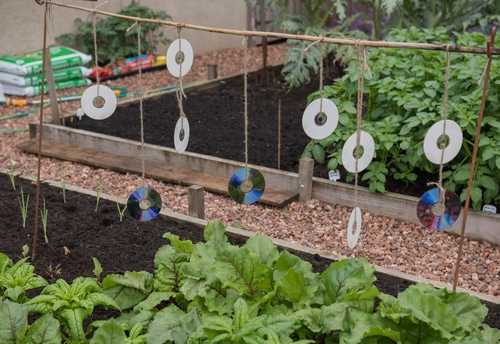
If you’re struggling with birds feasting on your freshly planted grass seed, there are several effective strategies you can implement to keep them at bay. One simple solution is to cover the seeded area with bird netting or mesh, creating a protective barrier that allows sunshine and rain in while keeping hungry birds out. Additionally, you might consider scattering decoy items like shiny objects or using scare tactics such as reflective tape. Understanding bird habits can also help; for instance, timing your seeding during periods when birds are less active can make a difference. By combining these approaches, you’ll increase the chances of nurturing a lush, bird-free lawn that thrives without the threat of feathered intruders.
Creating a beautiful and healthy lawn can seem a daunting task, especially when birds are swooping down and snacking on your precious grass seed. It can be incredibly frustrating to watch your hard work be undone by these feathered visitors. But don’t worry; you’re not alone in this struggle, and there are plenty of techniques you can use to protect your lawn. From physical barriers to natural deterrents, there are various ways to safeguard your seeds from hungry birds. In this article, we’ll explore different methods to help you keep those pesky birds away and ensure your grass grows strong and vibrant, giving you the beautiful lawn you desire.

“`html
How to Stop Birds from Eating Grass Seed
When it comes to planting grass seed, many homeowners face a common challenge: pesky birds looking for an easy meal. Birds, like sparrows and pigeons, can quickly decimate a new patch of grass seed, leaving you frustrated and disappointed. Fortunately, there are several effective strategies to deter these feathered friends while ensuring your grass seed has a chance to thrive.
Understanding Bird Behavior
Before we dive into the solutions, it’s helpful to understand why birds are attracted to grass seed. Birds are naturally inclined to forage for food, and freshly planted grass seed is an easy target.
– **Visual Appeal**: Brightly colored seeds attract birds, making them think it’s a buffet.
– **Taste Preference**: Many birds enjoy the taste of grass seed, particularly varieties like bluegrass and fescue.
Recognizing these behaviors helps us implement more effective deterrent strategies.
Physical Barriers
One of the most common methods to protect grass seed is using physical barriers. Here are a few effective options:
Netting
Bird netting is a practical solution that allows sunlight and rain to nourish your seeds while keeping birds out.
– **Installation**: Drape the netting over the seeded area and secure it to the ground.
– **Material**: Look for lightweight and durable netting that won’t harm the birds.
Row Covers
Using fabric row covers can also shield your seeds from birds.
– **Breathability**: Choose lightweight fabric that still lets sunlight through.
– **Secure the Edges**: This prevents birds from sneaking underneath.
Choose the Right Time to Plant
Timing your planting can influence bird activity.
– **Seasonal Considerations**: Many birds migrate or change feeding habits with the seasons.
– **Early Morning or Late Evening**: Plant your seeds at times when birds are less active.
By being mindful of your planting schedule, you can minimize opportunities for birds to snack on your seeds.
Using Deterrent Scents
Certain scents can deter birds effectively. Here are a few ideas:
Commercial Repellents
Various commercial bird repellents are available that use scents or tastes unpleasant to birds.
– **Application**: Follow the instructions carefully for the best results.
– **Regular Reapplication**: These may need to be reapplied after rain or time.
Homemade Solutions
You can create your own deterrents using natural ingredients.
– **Spicy Sprays**: Mix water with hot pepper sauce and spray it over your seeds. Birds dislike spicy flavors.
– **Garlic Spray**: Similarly, a garlic spray can keep birds at bay due to its strong odor.
Creating a Bird-Friendly Environment Elsewhere
Another effective strategy is to provide alternative food sources for birds elsewhere on your property.
– **Bird Feeders**: Set up a feeder with seeds that birds love to eat. This can divert their attention from your grass seed.
– **Natural Bird Habitat**: Plant flowers or bushes with seeds that are attractive to birds, helping them opt for these instead.
This approach ensures that birds remain satisfied without having to munch on your grass seed.
Visual Deterrents
Birds are often scared away by visual disturbances. Here are some effective options:
Reflective Materials
Hang reflective tape or old CDs around your garden.
– **Sunlight Reflection**: The light bouncing off these objects can confuse and scare birds away.
– **Easy Setup**: Simply hang them from stakes or trees around your planted seeds.
Decoy Predators
Using decoys of predatory birds can also be an effective deterrent.
– **Hawks or Owls**: Place these decoys near your grass to intimidate smaller birds.
– **Movement**: Consider using decoys that can move slightly in the wind for added effectiveness.
Sound Deterrents
Sounds can also be a powerful tool to deter birds from your garden.
Noise Makers
Using sound machines or wind chimes can help keep birds away.
– **Different Sounds**: Opt for sounds that mimic predator calls or other noises that birds might find alarming.
– **Placement**: Position these devices near your grass seed area for the best impact.
Ultrasonic Devices
Some homeowners also use ultrasonic bird deterrents.
– **Frequency Adjustment**: These devices emit high-frequency sounds that are unpleasant to birds but inaudible to humans.
– **Safe and Effective**: They provide a non-lethal way to keep birds out of your garden.
Proper Seed Coverage Techniques
Applying the grass seed correctly also makes a difference in bird activity.
Soil Preparation
Ensuring that your soil is prepared properly can make it less attractive to birds.
– **Soil Depth**: Plant seeds at the recommended depth to make them harder to find.
– **Covering Seeds**: Lightly rake the soil over the seeds to help hide them.
Mulching
Applying a light layer of mulch can also deter birds.
– **Protection**: Mulch not only protects seeds from birds but also helps retain moisture.
– **Natural Appearance**: It makes your garden look more natural and less inviting to birds.
Community Solutions
Sometimes, working together as a community can amplify the effectiveness of your efforts.
– **Neighborhood Initiatives**: Collaborate with neighbors to create bird-safe zones.
– **Shared Resources**: Consider developing a local strategy for bird deterrent solutions.
By pooling resources and ideas, you can create a more bird-friendly environment that minimizes seed loss.
Monitoring and Adjusting Your Strategy
No single method will work for every situation, so it’s crucial to monitor your garden and adjust your strategies accordingly.
– **Keep an Eye Out**: Regularly check for bird activity in your lawn.
– **Adapt as Needed**: Feel free to mix and match different methods that work best for your garden.
Through careful observation and adaptation, you can effectively protect your grass seed and obtain a lush lawn.
By implementing a combination of physical barriers, timing, scents, visuals, sounds, proper planting techniques, and community efforts, you can significantly reduce the risk of birds eating your grass seed. With patience and persistence, you’ll create an environment that allows your grass to grow lush and beautiful, free from unwanted feathered distractions. Taking these steps not only contributes to a successful lawn, but it also fosters a harmonious balance between nature and your gardening efforts.
“`
How To Prevent Birds From Eating Grass Seed
Frequently Asked Questions
“`html
What are some effective physical barriers to protect grass seed from birds?
Using physical barriers such as seed covers, nets, or row covers can effectively keep birds away from grass seed. These materials create a protective layer that allows sunlight and moisture to reach the seeds while preventing birds from accessing them. Ensure that the barrier is secure and extends slightly beyond the area where you’ve sown the grass seed to prevent any gaps.
Can I use scents or repellents to deter birds from my lawn?
Yes, using scents or natural repellents can help deter birds. Some gardeners use products containing garlic or peppermint, which birds find unpleasant. Additionally, placing citrus peels around the area may help, as the strong smell can discourage them from approaching. Refresh these scents regularly for maximum effectiveness.
How can I attract alternative wildlife to my garden instead of birds?
Encouraging other wildlife, such as beneficial insects or small mammals, can help shift the focus away from birds. Planting native flowers and providing shelter can attract these species. Additionally, creating water sources for small animals can help bring them to your garden, potentially distracting birds from your grass seeds.
What role do decoys play in keeping birds away from grass seed?
Decoys such as fake owls or other predatory birds can effectively scare away smaller birds from your garden. Place these decoys at strategic locations around your lawn. Move them occasionally to prevent birds from getting used to their presence. This tactic helps create an impression of danger and can keep birds at bay.
Are there specific times during the day when birds are more likely to eat grass seed?
Birds tend to be more active during the early morning and late afternoon. Monitoring these times can help you implement protective measures when birds are most likely to invade your lawn. If possible, consider watering your lawn or performing other activities during these peak times to deter birds from coming near.
“`
Final Thoughts
To stop birds from eating grass seed, consider using bird repellents, netting, or decoys to discourage them. Additionally, timing your seeding during less active feeding periods can help protect your investment. Regularly monitoring your lawn can also ensure that any bird activity is quickly addressed. Remember, understanding how to stop birds from eating grass seed is key to achieving a healthy, lush lawn.