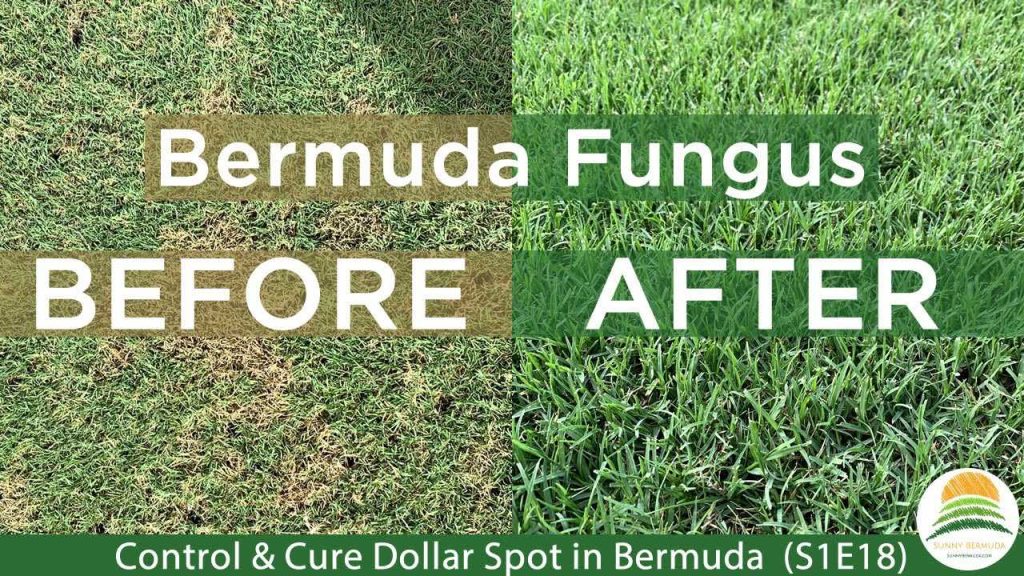
If you’re dealing with Bermuda grass fungus, the quickest solution is to apply a fungicide specifically designed for your type of turf, ensuring you follow the manufacturer’s instructions for best results. To prevent future outbreaks, maintain good lawn health by watering properly, mowing regularly, and providing adequate nutrients.
Bermuda grass can be a beautiful addition to your lawn, but it’s not immune to fungi that can turn vibrant green into sickly brown. Whether it’s brown patch, dollar spot, or another fungal foe, the good news is that tackling these issues is easier than you think. In this article, we’ll walk you through effective strategies for treating Bermuda grass fungus, so you can restore your lawn to its lush, healthy state. Let’s dive into the causes of fungal diseases and explore simple, practical solutions that every homeowner can implement.

How to Treat Bermuda Grass Fungus
Bermuda grass is a popular choice for lawns and athletic fields due to its lush green appearance and durability. However, like any other grass type, it can fall victim to fungus. Understanding how to treat Bermuda grass fungus effectively is essential for maintaining a healthy lawn. In this article, we will delve into the common types of fungi affecting Bermuda grass, their symptoms, and actionable treatment options.
Common Types of Bermuda Grass Fungus
Identifying the type of fungus affecting your Bermuda grass is crucial for proper treatment. Here are a few common types:
- Brown Patch: This is one of the most prevalent fungal diseases. It appears as circular patches of brown grass.
- Powdery Mildew: Characterized by a white, powdery coating, this fungus thrives in humid conditions.
- Dollar Spot: This fungus creates small, circular spots that appear as light brown or straw-colored patches.
- Rust: Look for orange or yellow pustules on the grass blades; this is a sign of rust fungus.
Understanding the type of fungus is the first step toward effective treatment.
Identifying Symptoms of Fungus in Bermuda Grass
Recognizing the symptoms of fungus can help you act quickly. Here are some signs to watch for:
- Discoloration: Patches of yellow, brown, or gray grass can indicate the presence of fungi.
- Wilting: Grass may appear wilted or stressed despite adequate watering.
- Visible Growth: White or orange spots on the grass blades are signs of fungal infestation.
Prompt identification is key to reversing the damage.
Environmental Conditions Favoring Fungal Growth
Several factors can encourage the growth of fungus in Bermuda grass:
- Overwatering: Excess moisture creates a breeding ground for fungi.
- Poor Drainage: Lawns with compacted soil can retain water, leading to fungal outbreaks.
- High Humidity: Warm and humid conditions are ideal for fungal growth.
Be mindful of the conditions in your lawn.
General Lawn Care Practices
Maintaining a healthy lawn can significantly reduce the risk of fungus. Here are some general practices to follow:
- Proper Watering: Water early in the morning to allow grass to dry throughout the day.
- Fertilization: Use a balanced fertilizer to promote healthy grass growth.
- Mowing: Keep your mower blades sharp and mow regularly to prevent grass stress.
Healthy lawns are less susceptible to fungal infections.
How to Treat Bermuda Grass Fungus
If you discover fungus in your Bermuda grass, treatment is essential. Here are the steps to take:
1. Remove Affected Grass
The first step in treatment is to remove any visibly infected grass. This helps prevent the spread of the fungus to healthy areas. Rake out the dead patches and dispose of them properly.
2. Adjust Watering Practices
Reducing watering frequency can help eliminate excess moisture. Aim to water deeply but infrequently, allowing the soil to dry out between waterings. Adjust your watering schedule according to weather conditions.
3. Improve Drainage
If your lawn has drainage issues, consider aerating the soil or adding organic matter to enhance drainage. Aeration helps air and water penetrate the soil, reducing fungal growth.
4. Apply Fungicides
In severe cases, applying a fungicide may be necessary. Choose a fungicide specifically formulated for Bermuda grass and follow the manufacturer’s instructions. Popular fungicides include azoxystrobin and myclobutanil.
5. Monitor and Maintain
After treatment, monitor your lawn for any signs of returning fungus. Regular maintenance, such as mowing and fertilizing, will help keep your grass healthy and resistant to future infections.
Prevention Tips for Bermuda Grass Fungus
Preventing fungal infections is always better than treating them. Here are some effective prevention tips:
- Choose Resistant Varieties: Consider planting Bermuda grass varieties that are resistant to common fungal diseases.
- Avoid Overcrowding: Ensure proper spacing when planting grass to improve air circulation.
- Regular Lawn Care: Follow a consistent lawn care routine, including mowing, watering, and fertilization.
Prevention is your best defense against grass fungus.
Additional Treatments and Products
Besides fungicides, several additional treatments can help combat Bermuda grass fungus:
- Biological Control: Beneficial microorganisms can help suppress fungal outbreaks. Products containing Trichoderma fungi can be added to the soil.
- Natural Remedies: Some homeowners use baking soda or milk sprays as homemade fungicides. Always test these on a small patch first.
- Soil Testing: Conducting a soil test can help identify nutrient deficiencies that may contribute to fungal problems.
Explore different options to find the right solution for your lawn.
Addressing Bermuda grass fungus promptly and effectively can preserve the beauty and health of your lawn. By understanding the types of fungi, recognizing symptoms, and implementing proper care and treatment, you can keep your Bermuda grass thriving and free from fungal issues. Always remember that prevention is key, and applying these methods will lead to a lush, green lawn for years to come.
Frequently Asked Questions
“`html
What are the common symptoms of Bermuda grass fungus?
Common symptoms of Bermuda grass fungus include discolored patches on the lawn, usually yellow, brown, or gray. You might also notice a slimy or powdery coat on the grass blades, leaf blight, or wilting. In severe cases, the grass may thin out and leave bare spots.
How can I prevent Bermuda grass fungus from occurring?
To prevent Bermuda grass fungus, maintain proper lawn care practices. Ensure you mow regularly and at the right height to promote airflow. Water early in the morning to allow the grass to dry throughout the day, and avoid over-fertilizing, as this can encourage fungal growth. Additionally, aerate the soil to reduce compaction and improve drainage.
Are there specific fungicides effective for treating Bermuda grass fungus?
Yes, several fungicides can effectively treat Bermuda grass fungus. Look for products containing active ingredients like azoxystrobin or propiconazole. Always follow the manufacturer’s instructions for application rates and timing to ensure effectiveness and safety for your lawn.
Can cultural practices help control Bermuda grass fungus?
Yes, implementing cultural practices can significantly help control Bermuda grass fungus. Regularly aerating your lawn helps improve soil compaction and drainage. Adjusting your watering schedule and ensuring good sunlight exposure can also create an environment less conducive to fungal development.
How often should I inspect my Bermuda grass for signs of fungus?
You should inspect your Bermuda grass regularly, especially during humid and wet seasons when fungal diseases are more prevalent. Check weekly for any discoloration, unusual patches, or changes in texture. Early detection allows for prompt treatment and helps prevent further spread of the fungus.
“`
Final Thoughts
To treat Bermuda grass fungus effectively, start by improving air circulation and ensuring proper drainage in your lawn. Regularly mowing your grass at the correct height helps prevent fungal development.
Applying appropriate fungicides can also control the spread of the fungus when necessary.
Regular maintenance, such as aeration and proper watering, further promotes healthy growth. Overall, implementing these strategies is essential for how to treat Bermuda grass fungus and maintain a vibrant lawn.