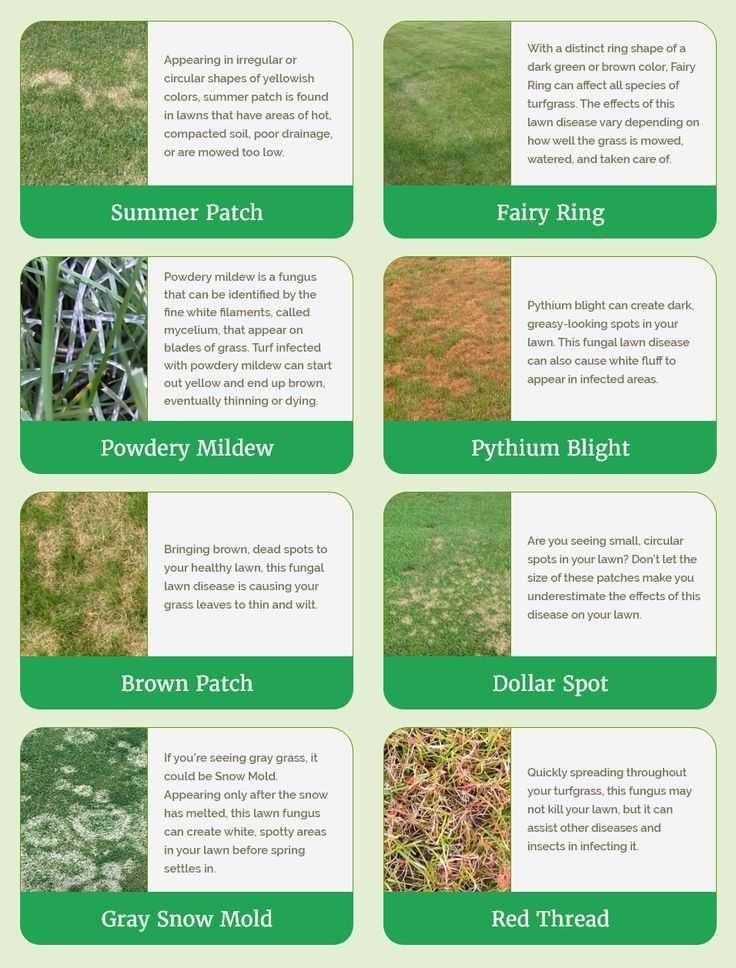
Lawn diseases can be a gardener’s worst nightmare, but identifying the problem doesn’t have to be! If you’ve noticed patches, discoloration, or unusual growth in your lawn, a lawn disease identification chart can be your trusty guide. This handy tool provides essential clues about various lawn ailments, helping you pinpoint specific issues like brown patches, dollar spot, or red thread. By comparing the symptoms on your lawn to the descriptions on the chart, you can quickly determine the underlying cause and take appropriate action. With a little knowledge and the right resources, you’ll be well on your way to restoring your lawn’s health and beauty. Let’s dive into how you can use this chart to keep your grassy oasis vibrant!

Lawn Disease Identification Chart: A Comprehensive Guide
Lawn diseases can be tricky to spot. Understanding these diseases is crucial for maintaining a healthy lawn. A **lawn disease identification chart** can be a handy tool. It helps homeowners identify common lawn diseases quickly. Here, we will explore various lawn diseases along with their characteristics. This knowledge can empower any lawn enthusiast.
Common Lawn Diseases
Every lawn faces threats from various diseases. Familiarizing yourself with these can prepare you for better lawn care. Here are some common lawn diseases:
- Brown Patch
- Dollar Spot
- Powdery Mildew
- Red Thread
- Necrotic Ring Spot
Each disease has its own characteristics. Knowing them will help you make informed decisions.
Brown Patch
Brown Patch is a fungal disease that appears as circular brown areas in your lawn. It often occurs in warm, humid conditions. The edges of the patches may seem darker.
**Key Points:**
– **Symptoms**: Circular brown patches in the grass.
– **Ideal Conditions**: High temperatures and humidity.
– **Prevention**: Improve air circulation and ensure proper watering.
Identification Tips for Brown Patch
Look for the following signs to confirm Brown Patch:
– Circular patches that can be up to several feet wide.
– Grass may feel soft and mushy around the edges.
– Darker borders of the patches, which may turn yellowish.
Dollar Spot
Dollar Spot is named for the small, dollar-sized spots it creates on grass. This disease thrives under moist conditions. You might notice a thin, white cobweb-like fungus at dawn.
**Key Points:**
– **Symptoms**: Small, circular spots resembling dollars.
– **Ideal Conditions**: Warm and humid days with cool nights.
– **Prevention**: Regular mowing and proper fertilization help.
Identification Tips for Dollar Spot
Keep an eye out for these signs:
– Small, circular lesions on grass blades.
– Silver-white threads of fungus in the early morning.
– A general yellowish-green hue in infected grass areas.
Powdery Mildew
Powdery Mildew looks like a white powder on the grass blades. It’s common when the weather is cool and the air is stagnant. This disease can weaken the grass.
**Key Points:**
– **Symptoms**: White powdery coating on grass.
– **Ideal Conditions**: Cool temperatures with high humidity.
– **Prevention**: Improve sunlight exposure and reduce watering.
Identification Tips for Powdery Mildew
To check for Powdery Mildew, look for:
– A white, powdery substance on grass blades.
– Stunted growth in affected areas.
– Yellowing leaves that may eventually die off.
Red Thread
Red Thread is another fungal disease characterized by thin, red strands on grass. This disease typically happens in cool, moist environments. It can affect almost any type of grass.
**Key Points:**
– **Symptoms**: Red or pink threads on grass.
– **Ideal Conditions**: Cool, damp weather.
– **Prevention**: Balanced fertilization and good drainage can help.
Identification Tips for Red Thread
Keep an eye out for:
– Red or pink filaments on infected grass.
– Thinning areas in the lawn.
– Symptoms often show in spring or early fall.
Necrotic Ring Spot
Necrotic Ring Spot is a fungal disease that creates circular patches. The grass turns brown and dies in the center, forming a ring. This disease prefers the cooler months.
**Key Points:**
– **Symptoms**: Brown patches with a green ring.
– **Ideal Conditions**: Cool, wet conditions.
– **Prevention**: Maintain a proper pH level and fertilize appropriately.
Identification Tips for Necrotic Ring Spot
Watch for:
– Circular brown patches with a green outer ring.
– Affected areas may expand over time.
– Occurs primarily in late spring or early fall.
How to Use a Lawn Disease Identification Chart
A lawn disease identification chart can make disease detection easier. It provides a visual guide for symptoms and conditions. Here’s how to use it effectively:
– **Identify Symptoms**: Start by looking for signs on your lawn.
– **Match Symptoms**: Compare what you observe to the chart.
– **Take Action**: Once identified, treat the disease according to recommended methods.
Prevention Strategies for Lawn Diseases
Preventing lawn diseases is just as important as treating them. Here are some effective strategies to keep your lawn healthy:
- Mow regularly and at the correct height.
- Water in the early morning to reduce humidity.
- Fertilize according to the specific grass type.
- Aerate the lawn to promote air circulation.
These steps can help you maintain a vibrant, healthy lawn.
When to Seek Professional Help
Sometimes, lawn diseases can get out of hand. If you notice persistent issues, it might be time to consult a professional. They can offer specific insights and treatments tailored to your lawn’s needs.
**Signs to Seek Help:**
– Repeated patterns of disease despite your care.
– Large areas of grass affected.
– Uncertainty about identification or treatment options.
Knowledge is power when it comes to lawn care. Using a **lawn disease identification chart** can help you spot issues early. Observing the symptoms, conditions, and preventive measures can make a big difference. With the right tools and understanding, you can keep your lawn lush and healthy. Remember, a little attention today can lead to a beautiful lawn tomorrow!
Identifying Common Diseases in Your Lawn
Frequently Asked Questions
How can I tell if my lawn is suffering from a disease?
To determine if your lawn is experiencing a disease, look for specific symptoms such as patches of discolored grass, wilting, or unusual growth patterns. You may notice areas that appear brown or yellow, along with thinning grass and increased susceptibility to pests. Observing these signs can help you identify potential lawn diseases before they spread further.
What should I do if I identify a lawn disease from the chart?
If you identify a disease using the chart, take immediate action to contain and treat it. Start by removing affected grass and debris to improve air circulation. Depending on the specific disease, you may need to apply fungicides or other treatments. It’s also important to adjust your watering and fertilization practices to prevent future issues.
Can lawn diseases be prevented?
Yes, several preventive measures can help keep your lawn healthy and reduce the risk of diseases. Maintain proper mowing practices, avoid overwatering, and ensure good soil drainage. Regularly aerating your lawn and applying appropriate fertilizers can also bolster your grass’s natural defenses against diseases.
Is it possible for lawn diseases to be caused by environmental factors?
Absolutely. Environmental factors like excessive moisture, poor sunlight, and nutrient deficiencies can contribute to the onset of lawn diseases. Conditions like high humidity and prolonged wetness promote fungal growth, while compacted soil may hinder root development, making the lawn more susceptible to diseases.
When is the best time to treat my lawn for diseases?
The optimal time to treat your lawn for diseases typically depends on the specific disease and local climate conditions. Generally, early spring and fall are ideal as the temperatures are cooler and moisture levels are more stable. Always monitor your lawn regularly for symptoms and treat them promptly to prevent further spread.
Final Thoughts
A lawn disease identification chart serves as a valuable tool for homeowners and gardeners. It provides clear visuals and descriptions to help identify various lawn diseases effectively. By utilizing this chart, you can quickly pinpoint issues and take appropriate actions to restore your lawn’s health. Regularly consulting the lawn disease identification chart ensures a vibrant, healthy lawn all year round.