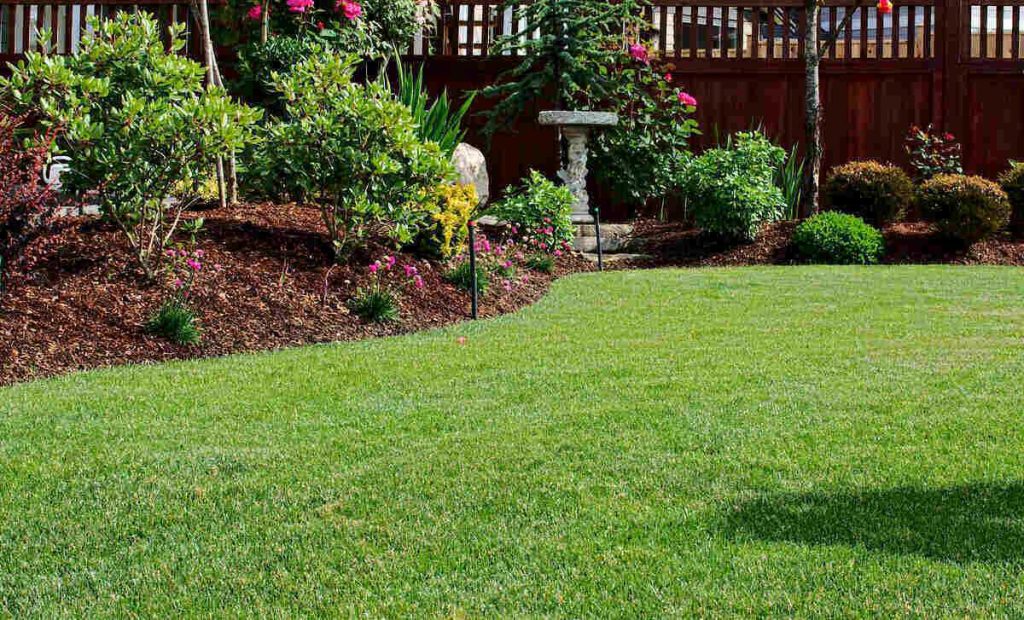
If you’re looking to create a stunning landscape for your south-facing yard, you’re in the right place! South-facing yards receive ample sunlight, which can be both a blessing and a challenge. The key is to choose the right plants, design elements, and features that not only thrive in sunny conditions but also create a harmonious and inviting outdoor space. Think about incorporating drought-resistant plants, colorful perennials, and shaded seating areas to enhance comfort during hot summer days. With the right planning and design strategies, your south-facing yard can transform into a vibrant oasis that you and your family will love spending time in. Let’s dive into some practical tips and ideas to get you started!

Guide To Landscaping A South Facing Yard
Landscaping a south-facing yard can be a fulfilling project that enhances your outdoor space. With the sun shining brightly, you have the opportunity to create a vibrant and attractive garden. In this guide, we will cover various aspects of landscaping a south-facing yard, including plant selection, garden design, and maintenance tips.
Understanding Your South Facing Yard
A south-facing yard receives a lot of sunlight throughout the day. This means you can grow a variety of plants that thrive in bright conditions. However, it also means you need to be mindful of heat and drought.
Here are some key characteristics of a south-facing yard:
- Full sun exposure for most of the day.
- Greater risk of soil drying out quickly.
- Warm microclimate, allowing for early plant growth.
By understanding these unique features, you can make informed decisions when planning your landscape.
Choosing the Right Plants for Your Yard
Selecting the right plants is crucial for a successful landscape. Focus on plants that thrive in full sun and can tolerate heat. Here are some categories of plants to consider:
1. Flowering Plants
Colorful flowering plants add beauty and attract pollinators. Consider:
- Salvia
- Lavender
- Coreopsis
2. Shrubs
Shrubs provide structure and can create privacy. Good choices include:
- Boxwood
- Butterfly bush
- Potentilla
3. Perennials
Perennials can bring continuous blooms year after year. Some favorites include:
- Daylilies
- Coneflowers
- Black-eyed Susans
4. Ornamental Grasses
These add texture and movement. Consider:
- Pampas grass
- Blue fescue
- Maiden grass
Choose a mix of plants to create visual interest and a balanced garden.
Designing Your Landscape Layout
A well-planned layout can maximize the beauty of your south-facing yard. Here are some design tips:
1. Define Your Space
Start by establishing areas for different activities, such as lounging, dining, or gardening. Use pathways or borders to separate spaces.
2. Layer Your Plants
Plant taller items at the back and shorter ones at the front. This layering creates depth and makes your garden more attractive.
3. Create Focal Points
Use standout plants or garden features to draw attention. A striking tree or decorative statue can serve as a great focal point.
4. Incorporate Hardscaping
Don’t forget about hardscaping elements like patios, stone walls, or walkways. These features provide structure and utility.
Watering and Irrigation Tips
Proper watering is vital for your south-facing lawn and garden, especially in sunny conditions. Here are some watering tips:
- Water early in the morning to minimize evaporation.
- Use mulch around plants to retain moisture.
- Consider drip irrigation systems for efficient watering.
Being mindful of your watering practices will help keep your plants healthy and vibrant.
Soil Preparation for Successful Growth
Healthy soil is essential for plants to thrive. Here’s how to prepare your soil:
1. Test Your Soil
Begin by testing your soil to understand its pH and nutrient levels. This will inform you of any amendments needed.
2. Amend the Soil
Consider adding organic matter like compost. This improves soil structure and provides essential nutrients.
3. Ensure Drainage
Good drainage prevents waterlogging. If your yard has heavy clay soil, consider raised beds or garden mounds.
Maintenance and Care for Your Landscape
Once your landscape is established, ongoing maintenance is key. Here are some crucial practices:
1. Regular Pruning
Prune plants as needed to promote healthy growth and remove dead or diseased branches.
2. Fertilizing
Use organic fertilizers to boost plant growth during the growing season. Be careful not to over-fertilize.
3. Pest Management
Monitor your garden for pests. Use natural methods like introducing beneficial insects to control populations.
Adding Outdoor Features
Enhance your south-facing yard with outdoor features that add functionality and charm. Consider:
1. Seating Areas
Create comfortable seating spots for relaxation and enjoyment. Use benches, chairs, or hammocks.
2. Outdoor Lighting
Incorporate lighting to enhance the ambiance at night. Solar lights or string lights can create a cozy atmosphere.
3. Water Features
Adding a pond or fountain can create a calming effect. The sound of running water is soothing and attractive.
Seasonal Considerations for Landscaping
Each season brings unique challenges and opportunities for your landscape. Here are some seasonal tips:
1. Spring
Focus on planting and fertilizing. It’s also the time to clean up any debris from winter.
2. Summer
Ensure regular watering and manage weeds. Heat can stress plants, so pay close attention to their needs.
3. Fall
Prepare your garden for winter by pruning and planting bulbs for spring blooms. Rake leaves to prevent mold.
4. Winter
Use winter mulch to protect roots. You can also plan for next year’s garden during this time.
By following these seasonal tips, you can maintain a thriving landscape year-round.
Getting Creative with Color and Texture
Adding color and texture can make your yard visually appealing. Here’s how to enhance your landscape:
- Mix different plant heights and shapes for visual interest.
- Consider foliage colors: dark greens, variegated, and even colorful stems.
- Incorporate seasonal flowers for bursts of color throughout the year.
Don’t shy away from experimenting to find what works best for your garden.
Using Sustainable Practices in Your Landscape
Sustainability is an important aspect of modern landscaping. Here are some eco-friendly practices:
- Use native plants that require less water and care.
- Collect rainwater for irrigation.
- Compost garden waste to enrich your soil.
By embracing sustainable practices, you can create a beautiful garden while helping the environment.
Final Thoughts on South Facing Yard Landscaping
Landscaping a south-facing yard involves understanding its unique features and making smart choices. From plant selection to design layout, every element contributes to a vibrant outdoor space. With a little creativity and care, your yard can become a stunning retreat that you enjoy year-round.
Remember to continuously learn and adapt your gardening practices to suit your space. Happy landscaping!
How To Design The Perfect Landscape | Landscape Design 101
Frequently Asked Questions
“`html
What plants thrive in a south-facing yard?
In a south-facing yard, sun-loving plants such as lavender, rosemary, succulents, and various flowering perennials thrive exceptionally well. These plants enjoy full sun exposure and can handle the warmth that comes with a southern orientation. Additionally, you can consider incorporating vegetables like tomatoes and peppers, which also thrive in these conditions.
How can I create shade in my south-facing yard?
To create shade in a south-facing yard, consider planting taller trees or installing a pergola with climbing plants. Trees such as maples or oaks can provide significant shade as they mature. For immediate shade, using outdoor umbrellas or shade sails can offer relief from the intense sun. Additionally, strategically placing garden structures can create shaded areas for outdoor seating or play spaces.
What are the best hardscaping options for a south-facing yard?
For hardscaping in a south-facing yard, materials like stone, brick, or concrete work well and can absorb heat, making them ideal for creating pathways, patios, or seating areas. Consider incorporating water features that can help cool the space and create a tranquil atmosphere. Arranging seating areas to maximize shade during peak sun hours can enhance outdoor enjoyment.
How can I manage water drainage in a south-facing yard?
Managing water drainage in a south-facing yard involves grading the landscape to direct water away from the house. Using permeable materials for pathways can reduce runoff. Incorporate rain gardens or swales to help manage excess water and promote absorption into the soil. Additionally, ensure proper placement of plants to avoid overcrowding, which can lead to drainage issues.
What considerations should I keep in mind for seasonal changes in a south-facing yard?
Seasonal changes in a south-facing yard require careful plant selection and planning. Opt for plants that bloom in succession for year-round interest. Be mindful of extreme heat in summer, which may necessitate additional watering and mulching to retain soil moisture. In winter, consider how the sun’s angle affects your yard, and choose evergreens that provide winter color and structure.
“`
Final Thoughts
Landscaping a south-facing yard presents unique opportunities for creating vibrant outdoor spaces. Utilize the abundant sunlight by selecting drought-resistant plants and arranging them to maximize exposure.
Incorporate shade elements such as pergolas or trees to provide respite from the heat, enhancing comfort for outdoor activities.
Consider the layout and design carefully to create a functional and aesthetically pleasing environment.
This concludes our ‘Guide To Landscaping A South Facing Yard,’ equipping you with the essential insights to cultivate a flourishing garden that thrives in sunny conditions.