Ready to swap your thirsty fescue for the resilient Zoysia? This guide walks you through the step-by-step process of transitioning your lawn. We’ll cover preparation, killing off the old, and establishing your new, drought-tolerant Zoysia grass for a beautiful, low-maintenance yard. Achieve your dream lawn with expert tips.
Are you tired of a lawn that needs constant watering and is always susceptible to drought? Maybe you’re dreaming of a thick, carpet-like turf that chokes out weeds and requires less fuss. If so, transitioning from fescue to Zoysia grass might be your perfect lawn solution. Fescue, a cool-season grass, can be beautiful but often demands a lot of attention, especially in warmer climates. Zoysia, on the other hand, is a warm-season grass that thrives in heat, is incredibly drought-tolerant, and forms a dense, resilient turf.
Making this switch isn’t as simple as just sowing new seeds over the old. It’s a process that requires careful planning and execution to ensure your new Zoysia lawn gets the best start. Think of it like renovating your home – you wouldn’t just paint over old wallpaper; you’d prepare the surface first. The same applies to your lawn. This guide will walk you through everything you need to know to successfully transition from fescue to Zoysia grass, transforming your yard into a low-maintenance paradise.
We’ll break down the entire process, from understanding why Zoysia is a great choice to the nitty-gritty of preparing your soil and establishing your new grass. Let’s get started on your journey to a healthier, more resilient lawn!
- Understand Zoysia’s Strengths: Zoysia is a warm-season grass known for its drought tolerance, dense growth, and weed resistance, making it a great alternative to fescue.
- Timing is Crucial: The best time to start is during the active growing season of Zoysia, typically late spring or early summer, allowing it to establish before cooler weather.
- Thorough Preparation is Key: This involves killing off the existing fescue and clearing the area to give Zoysia the best chance to thrive.
- Methods for Transition: You can choose between chemical or non-chemical methods to remove the old fescue, each with pros and cons.
- Establishing Zoysia: Whether by sod or seed, understanding the proper planting techniques is vital for successful establishment.
- Post-Establishment Care: Once Zoysia is in, proper watering, mowing, and fertilization will ensure a healthy, dense lawn.
- Patience is a Virtue: Transitions take time. Don’t expect an overnight transformation; consistent care will yield the best results.
Quick Answers to Common Questions
Question 1?
What is the best time of year to start transitioning from fescue to Zoysia grass?
Answer…
The best time to start is in late spring or early summer, during Zoysia’s active growing season, to give it ample time to establish before cooler weather arrives.
Question 2?
Can I just overseed my fescue lawn with Zoysia seed?
Answer…
No, overseeding fescue with Zoysia will not work. You must kill off the existing fescue completely before planting Zoysia to prevent competition.
Question 3?
Is Zoysia grass difficult to establish from seed?
Answer…
Yes, Zoysia seed can be slow to germinate and establish, taking much longer to form a dense turf compared to sod or plugs.
Question 4?
How often should I water my new Zoysia sod?
Answer…
Keep new sod consistently moist for the first 2-3 weeks, watering deeply and frequently enough to prevent it from drying out. Then, gradually reduce watering frequency as roots establish.
Question 5?
Will Zoysia grass stay green all year round?
Answer…
No, Zoysia is a warm-season grass and will go dormant and turn brown during the cooler fall and winter months. It will green up again in the spring.
📑 Table of Contents
Why Choose Zoysia Grass?
Before diving into the “how,” let’s talk about the “why.” Zoysia grass is a fantastic choice for many homeowners, especially those in transitional or warm-season climates. It’s known for its superior drought tolerance, meaning less watering and lower water bills. Its dense growth habit is a natural weed suppressor, meaning you’ll spend less time and money on herbicides. Plus, Zoysia is incredibly tough, standing up well to foot traffic and recovering quickly from damage.
The Benefits of Zoysia
- Drought Tolerance: Zoysia grass can go extended periods without water, turning brown during drought but reviving quickly once rain returns.
- Weed Resistance: Its dense, sod-forming growth makes it difficult for weeds to establish.
- Low Maintenance: Once established, Zoysia requires less frequent watering and mowing than many other grass types.
- Heat Tolerance: Zoysia thrives in hot summer temperatures where fescue might struggle and go dormant.
- Aesthetic Appeal: It forms a beautiful, uniform, and lush green carpet when properly maintained.
Understanding Zoysia’s Growth Pattern
It’s important to understand that Zoysia is a warm-season grass. This means it’s actively growing during the warm months and will go dormant, turning brown, during the cooler fall and winter months. This is different from fescue, a cool-season grass that stays green longer into the fall and greens up earlier in the spring. This seasonal dormancy is a key factor in timing your transition.
Preparing for the Transition: Timing is Everything
The success of your Zoysia lawn heavily relies on when you start the transition process. You want to begin when Zoysia is actively growing and can establish itself before the weather turns unfavorable. For most regions, this means late spring or early summer. This allows the new Zoysia grass to establish a strong root system throughout the warm growing season.
When to Start
The ideal time to begin killing off your fescue and preparing your lawn for Zoysia is typically in late spring or early summer. This is when Zoysia grass is at its most vigorous growth phase. Starting earlier in spring can be tricky because the fescue might still be actively growing and competing. Waiting until late summer or fall means the Zoysia won’t have enough time to establish before winter dormancy sets in.
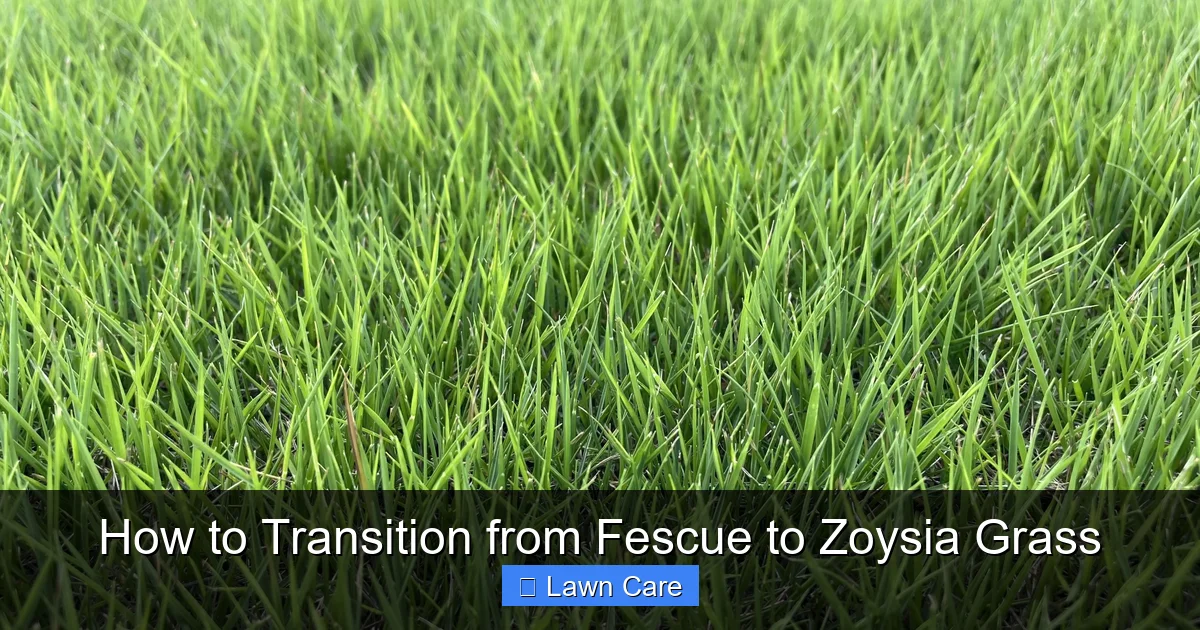
Visual guide about How to Transition from Fescue to Zoysia Grass
Image source: krturfgrass.com
Clearing the Old Fescue
This is perhaps the most critical step. You absolutely must eliminate the existing fescue thoroughly. If you don’t, the fescue will compete with your new Zoysia, and you’ll end up with a patchy, uneven lawn. There are a couple of common methods to achieve this: chemical removal and non-chemical removal.
Methods for Killing Off Existing Fescue
You have two main paths to take when it comes to removing your current fescue lawn: using herbicides or opting for non-chemical methods. Each has its own set of advantages and disadvantages, and the best choice for you will depend on your preferences, tolerance for chemicals, and the time you have.
Chemical Removal (Herbicides)
Using herbicides, particularly glyphosate-based products (like Roundup), is often the quickest and most effective way to kill existing grass. It ensures that the old grass is completely dead before you plant your new Zoysia.
Step-by-Step Chemical Removal:
- Mow Low: Mow your fescue lawn as short as possible a few days before applying the herbicide. This allows the chemical to reach the roots more effectively.
- Apply Herbicide: Follow the product instructions carefully. Apply the herbicide on a calm, warm day when there is no wind and no rain expected for at least 24 hours. Ensure even coverage.
- Wait for Die-Off: It typically takes 1-2 weeks for the grass to completely die. You’ll see it turn brown and dry out.
- Second Application (If Necessary): Stubborn patches might require a second application. Wait another week or two to ensure everything is dead.
- Rake and Remove Debris: Once the grass is completely dead and dry, rake out all the dead grass and debris. This is essential for creating a good seedbed or for laying sod.
Important Note: Glyphosate is a non-selective herbicide, meaning it will kill any plant it touches. Be very careful to avoid overspray onto desirable plants, trees, or shrubs. Some gardeners prefer to use a targeted approach, applying the herbicide only to the grass they want to kill, or using a spray shield.
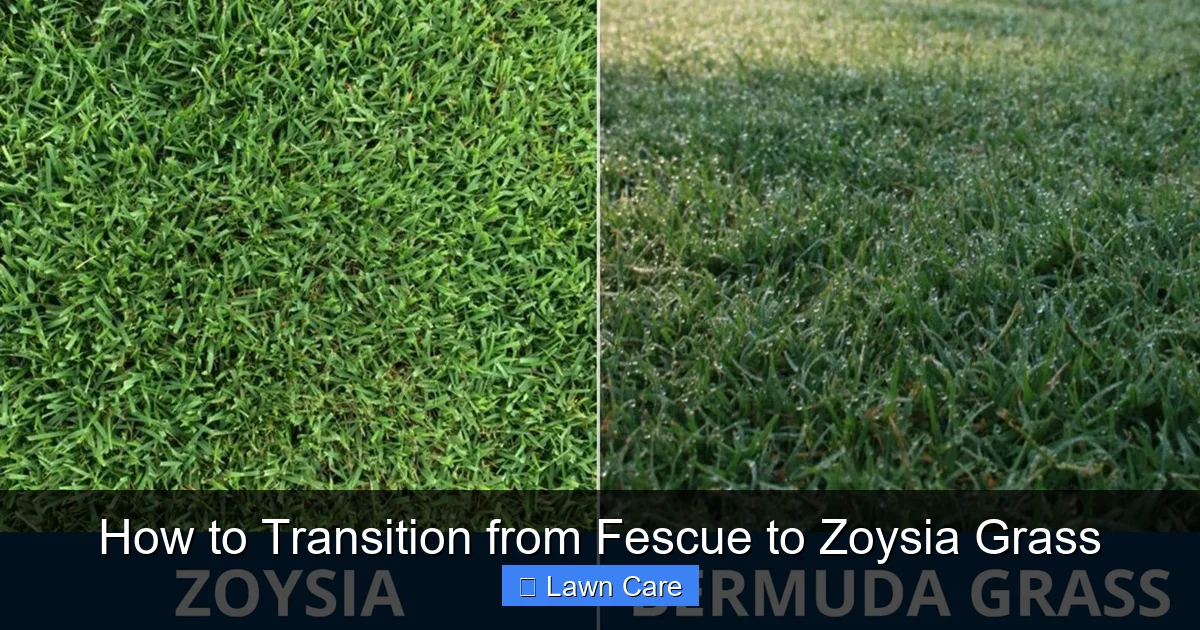
Visual guide about How to Transition from Fescue to Zoysia Grass
Image source: i.pinimg.com
Non-Chemical Removal Methods
If you’re trying to avoid herbicides, there are a few less direct but equally effective methods. These methods usually take longer but are environmentally friendly.
Solarization:
This method uses the sun’s heat to “cook” the existing grass and any weed seeds in the soil. It’s best done during the hottest part of the year (summer).
- Mow and Water: Mow your fescue lawn very short and then water the area thoroughly.
- Cover with Plastic: Lay clear, heavy-duty plastic sheeting over the entire area, extending it beyond the edges of the lawn. Seal the edges by burying them in trenches or weighing them down with rocks or soil.
- Let the Sun Work: Leave the plastic in place for 4-8 weeks. The trapped heat will kill the grass and many weed seeds.
- Remove and Prepare: After the solarization period, remove the plastic. The area should be clear of grass. You may need to rake to remove any remaining thatch.
Pros: Kills grass and weeds, sterilizes soil, reduces future weed pressure. Cons: Takes a long time, requires hot weather, can kill beneficial soil organisms.
Smothering (Sheet Mulching):
This involves covering the lawn with a material that blocks sunlight, effectively starving the grass of light and killing it. This is a slower process, often taking several months.
- Mow Short: Mow your fescue lawn as short as possible.
- Cover with Cardboard or Newspaper: Lay down a thick layer of plain brown cardboard (remove all tape and labels) or several layers of newspaper directly over the grass. Overlap the edges generously.
- Add Organic Material: Cover the cardboard or newspaper with a thick layer of compost, mulch, or other organic material (at least 4-6 inches).
- Wait: Leave this in place for several months, ideally through a full growing season. The grass underneath will decompose and enrich the soil.
- Prepare for Planting: Once the grass is dead and the organic material has begun to break down, you can plant your Zoysia. You might need to remove some of the top layer of material depending on your planting method.
Pros: Environmentally friendly, enriches soil. Cons: Very slow, requires a significant amount of organic material.
Establishing Your New Zoysia Lawn
Once your old fescue is gone and the area is prepped, it’s time to introduce your Zoysia. You have two primary options: planting sod or starting from seed. Zoysia seed can be a bit trickier to establish compared to sod, and it’s important to note that not all Zoysia varieties are available as seed.
Option 1: Planting Zoysia Sod
Sod is a quick way to get an established lawn. It involves laying down pre-grown Zoysia grass sections. This provides instant results and significantly reduces the time to a mature lawn.
Steps for Laying Sod:
- Prepare the Soil: After killing the fescue and raking away debris, ensure the soil is level and free of large rocks or clumps. You might want to add a thin layer of compost for added nutrients.
- Order Your Sod: Order Zoysia sod from a reputable supplier. Ensure it’s fresh when it arrives.
- Lay the Sod: Start laying sod pieces tightly together, like fitting a jigsaw puzzle. Stagger the seams to prevent gaps.
- Water Immediately: Water the new sod thoroughly as soon as it’s laid. This helps it settle and begin rooting.
- Keep Moist: For the first 2-3 weeks, keep the sod consistently moist. Water deeply but less frequently as the roots begin to establish. You’ll know the roots are establishing when the sod is difficult to pull up.
Tip: Avoid walking on the new sod as much as possible until it’s well-rooted.
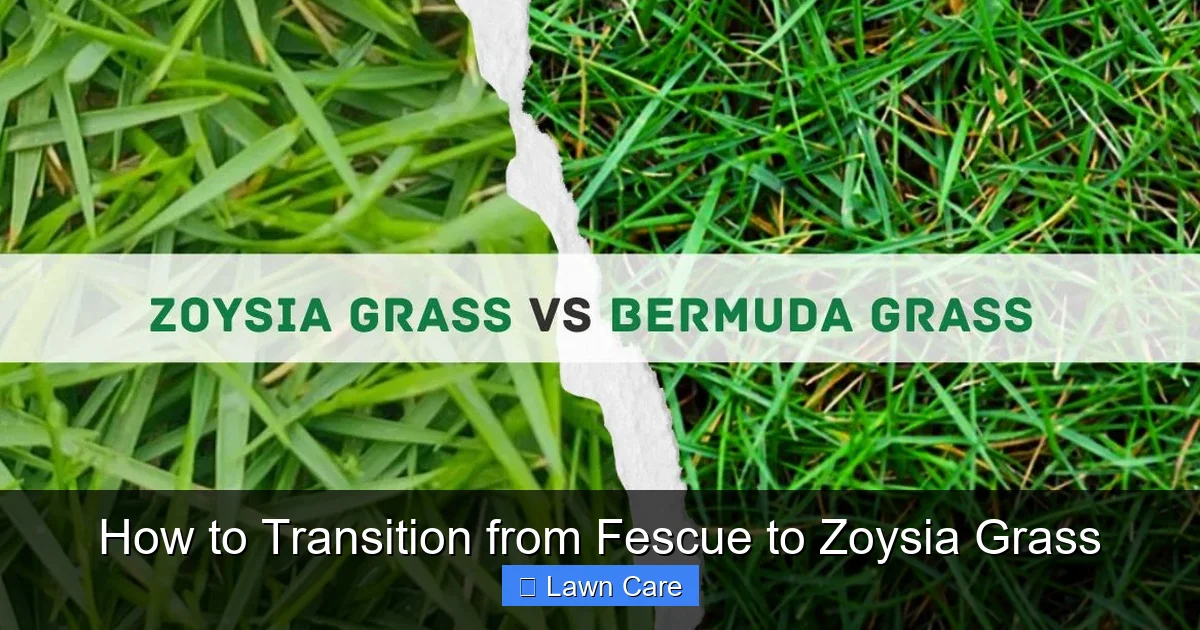
Visual guide about How to Transition from Fescue to Zoysia Grass
Image source: thisgardener.com
Option 2: Planting Zoysia Seed
Zoysia seed is more budget-friendly than sod, but it takes much longer to establish a dense lawn. It’s also important to know that Zoysia seed germination can be slow and erratic. How long does it take for grass seed to grow? Zoysia can take several weeks, and even months, to germinate and begin to fill in.
Steps for Seeding:
- Soil Preparation: After killing the fescue and raking, lightly till the soil to create a good seed-to-soil contact. Smooth the surface.
- Spread the Seed: Follow the seeding rate recommended by the seed producer. Use a broadcast spreader for even coverage.
- Lightly Rake and Roll: Lightly rake the seed into the top 1/8 to 1/4 inch of soil. You can then gently roll the area to ensure good seed-to-soil contact.
- Water Consistently: This is crucial for seed germination. Keep the top layer of soil consistently moist (but not waterlogged) until the seeds germinate and seedlings are established. This might mean watering lightly multiple times a day.
- Patience is Key: Germination can take anywhere from 10 days to 4 weeks, and it will take a full season or more for the grass to fill in and create a dense turf.
Important Considerations for Zoysia Seed:
- Variety Availability: Not all Zoysia varieties are available as seed (e.g., Meyer Zoysia is typically only available as sod or plugs). Zenith and Compadre are common seed varieties.
- Slow Germination: Be prepared for a slow start.
- Weed Competition: Young Zoysia seedlings are vulnerable to weeds.
For a faster, more reliable start, especially for those wanting to transition from fescue to Zoysia grass, sod is often the preferred method.
Planting Zoysia Plugs
Another option is Zoysia plugs. These are small, individual pieces of sod containing roots, stems, and leaves. You plant them directly into your prepared soil.
- Prepare the Soil: As with seeding, prepare the soil by lightly tilling and leveling.
- Plant the Plugs: Dig holes about 6 inches apart in a grid pattern. Place a plug in each hole and gently firm the soil around it.
- Water Well: Water the plugs thoroughly after planting and keep the surrounding soil moist to encourage rooting.
Pros: Less expensive than sod, good for filling in specific areas. Cons: Takes time to spread and fill in, requires consistent watering until established.
Post-Establishment Care for Your New Zoysia Lawn
Congratulations, you’ve transitioned to Zoysia! But the work isn’t over. Proper care in the first year will set your lawn up for a healthy, robust future.
Watering Zoysia
Once established, Zoysia is very drought-tolerant. However, during the first year, it’s crucial to water regularly to help it establish a deep root system. Aim for deep, infrequent watering. Water deeply enough to moisten the soil several inches down. Allow the soil surface to dry out between waterings. This encourages the roots to grow deeper, making the lawn more resilient in the long run. Avoid shallow, frequent watering, as this can lead to shallow roots and a less healthy lawn. We have some great tips on how to avoid shallow grass roots from watering.
Mowing Zoysia
Zoysia should be mowed regularly during its active growing season. The ideal mowing height for Zoysia is typically between 1 to 2 inches. Mowing too high can make it look coarse, while mowing too short can stress the grass. Always use a sharp mower blade to get clean cuts, which helps prevent disease and gives a neat appearance. Do not remove more than one-third of the grass blade at any single mowing. For more on this, check out our guide on how to mow Zoysia grass for healthier growth.
Fertilizing Zoysia
Zoysia grass is not a heavy feeder. Fertilize moderately in late spring or early summer, during its peak growing season. A slow-release nitrogen fertilizer is often recommended. Avoid fertilizing too late in the season, as this can make the grass more susceptible to winter damage. For detailed advice, refer to our article on when and how to fertilize Zoysia grass for best results.
Troubleshooting Common Issues
Even with the best efforts, you might encounter a few bumps in the road.
Weed Control
While Zoysia is a great weed suppressor, young lawns or areas where weeds have managed to gain a foothold will require attention. Hand-pulling is effective for scattered weeds. For broader issues, consider selective herbicides formulated for Zoysia lawns, but always test in a small area first.
Chinch Bugs
Chinch bugs can be a problem for Zoysia, especially during hot, dry weather. They feed on grass blades, causing irregular brown patches that can expand rapidly. Look for tiny black insects with white markings near the base of the grass. Treatments are available, but proper watering and maintaining a healthy lawn are the best defenses.
Fungal Diseases
Zoysia can be susceptible to fungal diseases like brown patch, especially in humid conditions. Maintaining proper watering practices (avoiding overwatering and watering in the evening) and ensuring good air circulation can help prevent these issues. Our guide on how to treat brown patch disease in Zoysia grass can offer solutions.
Maintaining Your Zoysia Lawn Long-Term
Once your Zoysia lawn is established and healthy, the maintenance becomes much simpler. Regular mowing at the correct height, occasional fertilization, and deep watering only when necessary will keep your lawn looking its best. You might also want to consider edging your lawn for a clean, polished look. For those with Zoysia, learning how to edge a lawn with Zoysia grass cleanly can make a big difference in curb appeal.
As the seasons change, you’ll also want to prepare your Zoysia for winter dormancy. Understanding how to prepare Zoysia grass for winter dormancy will ensure it comes back strong in the spring. With its resilience and low-maintenance nature, your Zoysia lawn will provide years of enjoyment with significantly less effort than your old fescue.
In conclusion, transitioning from fescue to Zoysia grass is a rewarding process that leads to a more sustainable, beautiful, and less demanding lawn. It requires patience, careful planning, and a commitment to the transition steps, but the result is a lawn that thrives in heat and drought, resists weeds, and offers a lush green carpet for your enjoyment.
Frequently Asked Questions
How long does it take for Zoysia grass to establish after seeding?
Establishing Zoysia grass from seed is a slow process. You can expect germination to take several weeks, and it might take a full growing season or more for the grass to thicken and form a dense lawn.
Is it necessary to remove all the old fescue grass before planting Zoysia?
Yes, it is absolutely critical to remove all the existing fescue grass. If you don’t, the fescue will compete with the new Zoysia, leading to a patchy and unhealthy lawn.
What are the pros and cons of using sod versus seed for Zoysia?
Sod provides an instant lawn but is more expensive. Seed is cheaper but takes much longer to establish and can be more challenging to get started. Plugs offer a middle ground.
How does Zoysia grass handle shade?
Zoysia grass prefers full sun and will not perform well in heavily shaded areas. It needs at least 6-8 hours of direct sunlight per day to thrive.
Can I transition to Zoysia in a very hot climate?
Yes, Zoysia is ideal for hot climates because it thrives in high temperatures and is very drought-tolerant. The transition should still be timed for the start of its active growing season, usually late spring/early summer.
How do I deal with weeds in a new Zoysia lawn?
For young Zoysia lawns, hand-pulling is the safest method for weed control. As the Zoysia thickens, it will naturally suppress weeds. If necessary, use herbicides specifically labeled for use on Zoysia grass, and always test in a small area first.