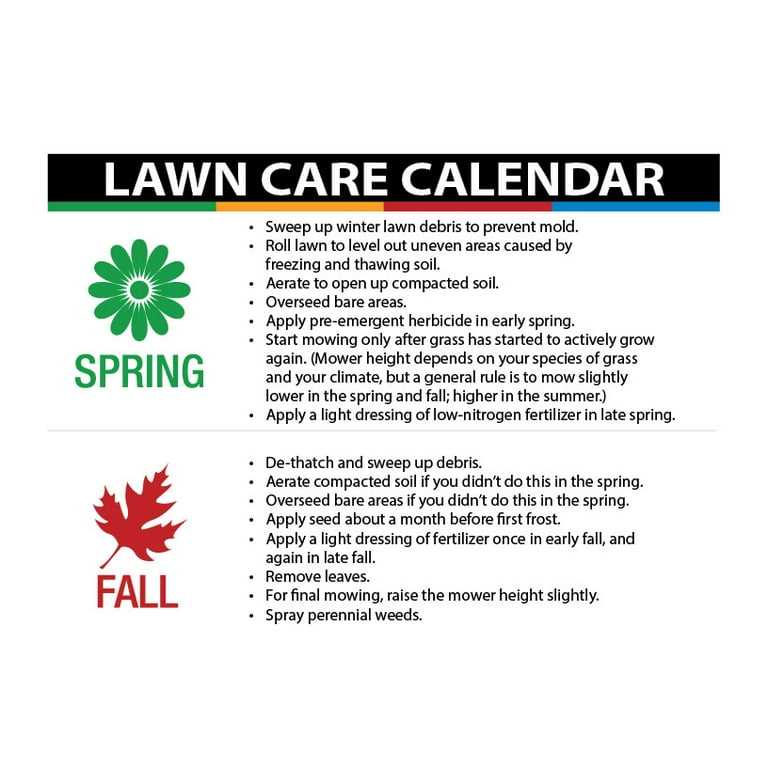
In cold climate areas, properly caring for your lawn is crucial, especially when it comes to aeration. If you’re wondering when and how to aerate your lawn in frost-prone regions, the best time is during the early fall or late spring when the soil is moist and the temperatures are mild. Aerating helps alleviate soil compaction, encourages healthy root growth, and allows nutrients to penetrate more effectively. Avoid aerating during hard frosts or snow cover, as this can damage your lawn. Instead, focus on timing your aeration when the conditions are right to ensure your grass thrives despite the chill in the air. Let’s dive into some practical tips to make your lawn care a success!

Cold Climate Lawn Care: When and How to Aerate in Frost Prone Areas
Lawn care in cold climates presents unique challenges, especially when dealing with frost-prone areas. One of the most effective maintenance practices is aeration, which helps improve soil health, promotes nutrient absorption, and enhances root growth. However, knowing when and how to aerate your lawn in these chilly conditions is critical.
Understanding Lawn Aeration
Aeration is the process of perforating the soil with holes to allow air, water, and nutrients to penetrate deep into the roots. This practice can alleviate soil compaction, which often occurs in cold climates. Compacted soil restricts root growth and limits the lawn’s ability to absorb necessary resources.
Key benefits of aeration include:
- Improved air exchange in the soil
- Enhanced water uptake increasing drought resistance
- Improved nutrient absorption
- Reduction of thatch buildup
When done correctly, aeration can significantly improve the overall health of your lawn.
When to Aerate Your Lawn
Timing is essential in cold climates. Aerating too early or too late can yield poor results. The best times to aerate are in early spring or early fall, depending on your specific location.
Early Spring Aeration
In early spring, your lawn begins to wake up from winter dormancy. This is an excellent time to aerate because:
- The soil is still moist from melting snow or seasonal rains.
- Grass is beginning to grow actively, allowing it to recover quickly.
However, avoid aeration if the ground is still frozen. Wait for the soil to thaw to access the benefits.
Early Fall Aeration
Early fall is generally preferred for aeration in cold climates. This is because:
- Temperatures are cooler, reducing stress on the grass.
- Moisture levels are generally higher, making the soil easier to penetrate.
- The lawn has time to recover before winter.
Aerating in early fall allows grass to establish a strong root system before the cold weather hits.
Preparing Your Lawn for Aeration
Before aerating, prepare your lawn to ensure maximum effectiveness:
- Mow your grass to a shorter height, about two to three inches.
- Water the lawn a day prior to aeration; moist soil aids in the aeration process.
- Mark any underground utilities to avoid damage during aeration.
Taking these steps will enhance the aeration process and contribute to a healthier lawn.
Choosing the Right Aeration Tools
There are two primary types of aeration tools: spike aerators and core aerators.
Spike Aerators
Spike aerators create holes in the soil by pushing spikes into the ground. While they can be effective, they do not remove soil plugs, which limits their effectiveness in compacted areas.
Core Aerators
Core aerators are often recommended for cold climates. They remove small plugs of soil, allowing better air and nutrient access. Core aerators create more beneficial holes compared to spike aerators.
Consider renting or investing in a core aerator for better results in colder areas.
How to Aerate Your Lawn
Aerating your lawn may seem complicated, but it’s a straightforward process. Here’s a step-by-step guide:
- Start by mowing your lawn short, as mentioned previously.
- Water your lawn to ensure the soil is moist but not soggy.
- Set the aerator to the appropriate depth; usually, 2-4 inches is a good guideline.
- Begin aerating the lawn in one direction, then cross over in another direction for an even coverage.
- Cover the entire lawn, making sure to overlap slightly as you go.
After aeration, you may notice small soil plugs scattered across the lawn. Leave them on the surface; they will decompose and contribute to the soil health.
Post-Aeration Care
Once aeration is complete, some follow-up care is necessary to maximize the benefits. These steps include:
- Water your lawn immediately after aeration to help the soil settle.
- Consider overseeding and fertilizing to enhance growth.
- Avoid heavy foot traffic on the lawn for several weeks.
Following these steps will help your lawn recover quickly and become healthier.
Maintaining Your Lawn After Frost
In frost-prone areas, winter care is also crucial. After aerating, ensure you take care of your lawn as winter approaches.
Winterizing Your Lawn
Proper winterizing will prepare your lawn to thrive after frosty conditions:
- Keep mowing until the grass stops growing, then mulch the leaves.
- Fertilize your lawn with a winter fertilizer rich in potassium.
- Avoid raking leaves too late; leave them for natural composting.
These practices help your lawn survive cold winters and thrive when spring arrives.
Signs Your Lawn Needs Aeration
Understanding when to aerate again is just as important as knowing when to do it initially. Watch for these signs:
- Visible puddles after rain indicate poor drainage.
- Grass growth is stunted or inconsistent.
- The lawn is feeling spongy underfoot.
These indicators show that your lawn may benefit from aeration again.
Common Mistakes to Avoid
While aerating, avoid these common mistakes to achieve the best results:
- Do not aerate when the ground is frozen.
- Avoid aerating during periods of drought.
- Don’t forget to allow your lawn to recover post-aeration.
Steering clear of these errors can ensure your aeration is effective.
By understanding the nuances of cold climate lawn care and the effective methods for aerating in frost-prone areas, you can ensure your lawn stays healthy and vibrant despite the chilly conditions. Regular attention to your lawn’s needs will yield a beautiful, lush landscape that stands out in your neighborhood, even amidst frost.
Queensland Lawn Stress Triggers
Frequently Asked Questions
“`html
What is the best time to aerate a lawn in cold climates?
The ideal time to aerate a lawn in cold climates is during the late spring or early fall. These seasons provide optimal soil temperatures for recovery and growth. Aerating during these times ensures that your lawn can effectively heal and thrive after the process.
How does aeration benefit lawns in frost-prone areas?
Aeration benefits lawns in frost-prone areas by improving soil compaction and promoting air, water, and nutrient movement to the roots. This process encourages deeper root growth, enhances drainage, and helps the lawn withstand harsh winter conditions, ensuring a healthier lawn in the spring.
Should I take any precautions when aerating in colder temperatures?
Yes, when aerating in colder temperatures, it’s essential to monitor soil moisture. Wait for a day when the soil is not overly frozen. If the soil is too hard or icy, aeration won’t penetrate effectively. Aim for a day when the ground is soft enough to allow the aerator to work properly.
Can I aerate my lawn if there is snow on the ground?
Aerating a lawn covered with snow is not advisable, as the frost can make the soil too hard for effective aeration. It’s better to wait until after the snow melts and the ground thaws sufficiently. This ensures that the aeration process will yield the best results for your lawn.
What tools are best for aerating lawns in cold climates?
For lawns in cold climates, a core aerator is the best choice. This tool removes small plugs of soil, allowing for better air exchange and nutrient absorption. You can choose between manual and motorized core aerators, depending on the size of your lawn and your comfort level with operating machinery.
How often should I aerate my lawn in cold climates?
In cold climates, lawn aeration should occur at least once a year, ideally in the late spring or early fall. However, if your lawn experiences heavy foot traffic or shows signs of compaction, you may consider aerating more frequently to maintain its health and vitality.
“`
Final Thoughts
Effective lawn care in cold climates requires careful timing and techniques. Aerating your lawn in frost-prone areas should ideally take place during late spring or early fall when soil conditions are optimal. This process enhances root growth and improves air circulation, leading to a healthier lawn.
By focusing on proper aeration practices, you can ensure your lawn thrives despite harsh weather conditions. Remember, ‘Cold Climate Lawn Care When and How to Aerate in Frost Prone Areas’ emphasizes the importance of seasonal awareness in lawn maintenance. Take these steps to promote a vibrant and resilient lawn.