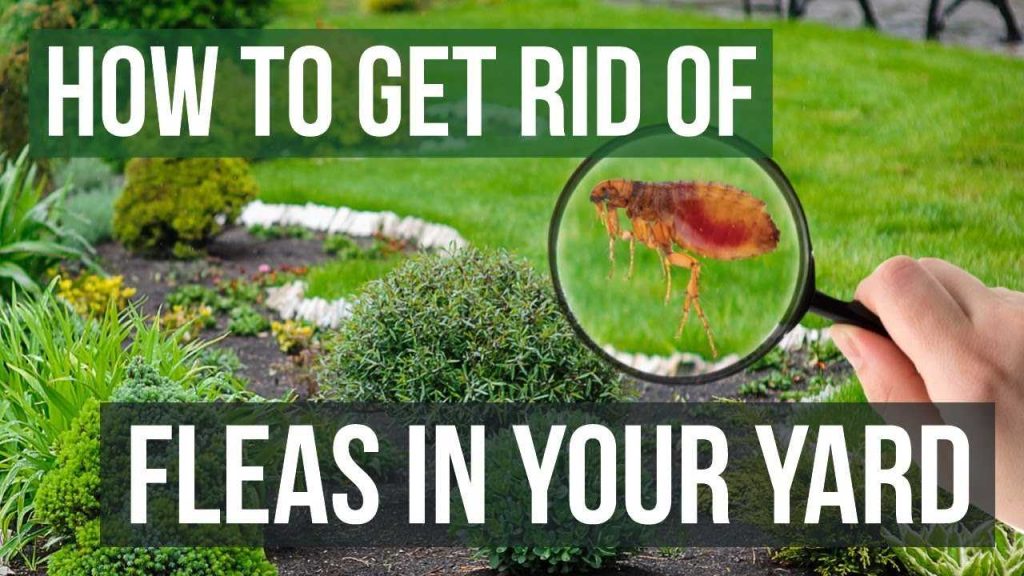
If you’re dealing with a flea infestation in your yard, the good news is there are effective ways to tackle this pesky problem. Start by keeping your lawn well-mown and debris-free, as fleas thrive in thick grass and clutter. Regularly wash your pets’ bedding and treat them with veterinarian-approved flea medications. You can also sprinkle diatomaceous earth in problem areas to dehydrate and kill fleas. For a natural approach, consider using a solution of essential oils like lavender or cedar, which can repel these unwanted invaders. Tackling fleas requires a consistent effort, but with these methods, you can reclaim your yard and enjoy the outdoors again without the itchiness and irritation that fleas bring.
Fleas can quickly take over your yard, posing risks not just to your pets but also to your family. These tiny pests thrive in warm, moist environments, making your lush lawn an ideal breeding ground. If you’re looking to eliminate fleas in your outdoor space, it’s vital to understand their life cycle and the conditions that encourage their growth. You don’t have to rely solely on chemical treatments, as there are plenty of natural strategies to keep fleas at bay. By combining proper yard maintenance with targeted treatments, you can effectively reduce flea populations and create a safer, more enjoyable environment for everyone. Let’s explore how to effectively get rid of fleas in your yard for good!

“`html
How To Get Rid Of Fleas In Your Yard
Fleas are tiny pests that can cause big problems. They not only bother our furry friends but can also infest our yards. If you’re wondering how to get rid of fleas in your yard, you’re in the right place. This article will guide you through effective methods to banish fleas from your outdoor space for good.
Understanding Fleas and Their Life Cycle
Before tackling the problem, it’s essential to understand what you’re dealing with. Fleas are small, brownish insects that feed on the blood of animals and humans. They reproduce quickly, which means what starts as a minor nuisance can quickly escalate into a larger issue.
– **Eggs**: Fleas lay their eggs in the fur of pets or in the yard. These eggs can fall off and land in your grass.
– **Larvae**: After a few days, the eggs hatch into larvae. These larvae love dark, moist environments like soil and underbrush.
– **Pupae**: The larvae develop into pupae, where they can remain dormant for several months before emerging as adults.
– **Adults**: Once they become adults, fleas are ready to jump back into action and start the cycle over again.
Understanding their life cycle can help you decide the best strategies to eliminate them.
Identify Infestations
Before taking action, you need to determine if your yard is infested with fleas. Here are a few signs to look for:
– **Bouncy Pets**: If your pets are scratching more than usual or biting at their skin, this could be a sign of fleas.
– **Flea Dirt**: Look for tiny black specks on your pet or in your yard, which are flea droppings. You can test for flea dirt by placing it on a wet paper towel. If it turns red, it’s flea dirt.
– **Bite Marks**: Check yourself and your family members for small, itchy bites, usually on the ankles or legs.
If you notice any of these signs, it’s time to take action.
Natural Remedies to Control Fleas
If you prefer not to use harsh chemicals, there are many natural methods to help get rid of fleas in your yard.
1. Diatomaceous Earth
Diatomaceous earth is a natural substance made from fossilized algae. It works by dehydrating fleas.
– **Application**: Spread a thin layer of diatomaceous earth around your yard, focusing on areas where your pets frequent.
– **Safety**: Make sure to use food-grade diatomaceous earth to ensure it’s safe for pets and children.
2. Salt
Salt is another readily available option. It dehydrates fleas and helps control their population.
– **How to Use**: Sprinkle salt evenly across your yard, especially in shady areas.
– **Effectiveness**: Allow it to sit for a few days before raking it into the soil.
3. Essential Oils
Certain essential oils can repel and even kill fleas. Some effective options include:
– **Lavender Oil**: Has a pleasant smell to humans but deters fleas.
– **Rosemary Oil**: Repels fleas and other insects.
– **Tea Tree Oil**: Highly effective but should be used with caution around pets.
To create a natural flea repellent, mix essential oils with water and spray it around your yard.
Chemical Treatments for Fleas
If natural remedies don’t seem to work, you might consider chemical treatments. Here are some options:
1. Insect Growth Regulators (IGRs)
These products prevent fleas from maturing into adults, breaking the cycle.
– **How They Work**: IGRs disrupt the flea life cycle and reduce the population over time.
– **Application**: Spray or apply granules in areas where fleas are likely to hide.
2. Flea Sprays
There are various flea sprays available on the market.
– **Choosing the Right One**: Look for sprays that are safe for pets and children.
– **Application Tips**: Follow the manufacturer’s instructions carefully for the best results.
Maintaining Your Yard to Prevent Fleas
Once you’ve gotten rid of fleas, the next step is to maintain your yard to prevent future infestations.
1. Regular Mowing
Keep your grass trimmed short. Fleas prefer tall grass where they can hide.
– **How Often**: Mow your lawn weekly during the growing season.
– **Benefits**: This reduces hiding spots and exposure to sunlight.
2. Keep Debris Clean
Remove leaves, sticks, and other debris from your yard.
– **Why It Helps**: Fleas thrive in shady, moist areas. Cleaning up reduces these environments.
3. Create a Barrier
Consider adding landscaping features that deter fleas.
– **Rocks and Gravel**: Create barriers with rocks or gravel that fleas dislike.
– **Trim Shrubs**: Keep shrubs well-trimmed to maximize sunlight exposure.
Regular Pet Treatments
If you have pets, it’s important to keep them protected as fleas often travel with them.
1. Flea Collars
Flea collars can be effective in preventing fleas.
– **Effectiveness**: They release chemicals that repel fleas for several months.
– **Considerations**: Make sure the collar is suitable for your pet’s size and breed.
2. Topical Treatments
Topical flea treatments can provide immediate relief.
– **Application**: Apply these treatments to the back of the neck, where pets can’t lick them off.
– **Frequency**: Follow the veterinarian’s recommendations for application intervals.
3. Regular Baths
Bathing your pets can help remove fleas and their eggs.
– **Homemade Flea Shampoo**: Consider using a mixture of mild soap and water.
– **Frequency**: Bathe your pets once a month or as needed during peak flea season.
Monitoring and Follow-Up
After you’ve taken steps to eliminate fleas, it’s crucial to monitor the situation closely.
1. Continuous Observation
Keep an eye on your pets for any signs of fleas.
– **What to Look For**: Increased scratching, biting at their skin, or noticing flea dirt.
– **Check Regularly**: Regular grooming can help spot fleas early.
2. Set Traps
Consider setting flea traps in your yard to monitor for any return.
– **How to Make a Trap**: Place a bowl of soapy water under a light at night to attract fleas.
– **Observe**: Check daily to see if any fleas have been captured.
Fleas in your yard can be a nuisance, but with the right approach, you can effectively eliminate them and keep your outdoor space safe and enjoyable. Regular maintenance, pet treatments, and proactive measures will help keep fleas at bay. By implementing these strategies, you can create a flea-free environment for your family and pets to enjoy.
“`
How to Get Rid of Fleas Guaranteed (4 Easy Steps)
Frequently Asked Questions
“`html
What natural methods can I use to eliminate fleas from my yard?
There are several natural methods to get rid of fleas in your yard. You can use a mixture of salt and water to create a saline solution and spray it around your yard. Diatomaceous earth is another effective option; it dehydrates fleas upon contact. Additionally, planting herbs like lavender and rosemary can help repel fleas naturally.
How can I prevent fleas from returning to my yard?
To prevent fleas from returning, regularly mow your lawn and keep it tidy. Remove debris and leaves where fleas can hide. Treat your pets with flea prevention methods and maintain their hygiene. Applying nematodes, beneficial microscopic worms, to your yard can also help control flea populations by targeting their larvae.
What should I do if I find fleas in my garden?
If you find fleas in your garden, start by treating your pets and their bedding to stop the cycle. Clear away any leaves or debris and apply a suitable flea control product, following the manufacturer’s instructions. You can also consider using traps to monitor and reduce the flea population in your garden.
How effective are chemical treatments for fleas in outdoor areas?
Chemical treatments can be effective for controlling fleas in outdoor areas when applied correctly. However, they may pose risks to the environment and non-target species, including pets and beneficial insects. Always read the label carefully and consider alternative treatments before opting for chemicals.
When is the best time to treat my yard for fleas?
The best time to treat your yard for fleas is during the warmer months when fleas are most active. Early spring is ideal, as it helps address any flea populations before they become established. It’s essential to continue treatment throughout the summer, particularly after rainfall, which can wash away treatments.
“`
Final Thoughts
To effectively eliminate fleas in your yard, start by regularly mowing your lawn and keeping it tidy. Consider using beneficial nematodes, which specifically target flea larvae and are safe for pets and plants. Regularly wash your pets and treat them with vet-approved flea control products to reduce the flea population.
Utilize natural remedies like diatomaceous earth to control fleas in your outdoor spaces. By following these steps, you can successfully manage and prevent infestations. Remember, knowing how to get rid of fleas in your yard is essential for maintaining a healthy and enjoyable outdoor environment.