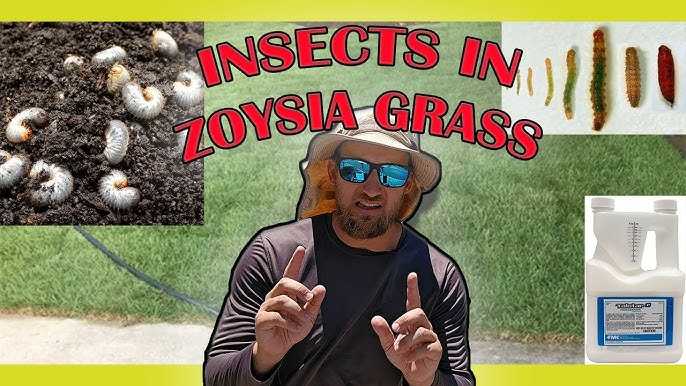
If you notice your Zoysia lawn looking a bit off—like patches of brown grass or increased insect activity—it’s time to check for pests. Common culprits include grubs, chinch bugs, and armyworms. The quickest way to identify these insects is by looking for signs such as discolored grass, wilting, or even seeing pests themselves. To treat them, start by applying an appropriate insecticide or a natural remedy like neem oil. Additionally, maintaining a healthy lawn through proper watering and fertilization can help prevent infestations. Regular monitoring is key, so keep an eye out for changes in your lawn’s health to catch any issues early. Let’s dive deeper into effective spotting and treatment methods!

“`html
How to Spot and Treat Insects in Zoysia Lawns
Zoysia grass is a popular choice for lawns due to its lush appearance and resilience. However, like any grass type, it can attract insects that may harm its health. Understanding how to spot and treat these pests is essential for maintaining a beautiful and healthy lawn.
Common Insects Found in Zoysia Lawns
Identifying the right pests can make a huge difference in how you treat your lawn. Here are some common insects you might encounter:
- Grubs: These larvae of beetles feed on the roots of Zoysia and can cause brown patches in your lawn.
- Chinch Bugs: Tiny black insects that suck the sap from the grass blades, leading to discoloration and dying patches.
- Armyworms: These caterpillars can devour a lawn overnight, leaving behind a trail of destruction.
- Scale Insects: These pests attach themselves to the grass and can cause it to weaken over time.
Being aware of these common insects allows you to take action quickly if you notice any signs of infestation.
Signs of Insect Infestation
Knowing the signs of insect problems can help you act swiftly. Here are some indications that insects may be invading your Zoysia lawn.
- Discoloration: Watch for yellow or brown patches that seem out of place.
- Wilting Grass: If your grass looks droopy or limp, it may be a sign of insect feeding.
- Visible Bugs: Keep an eye out for actual insects on or around your grass.
- Patchy Growth: Areas where the grass seems to be dying or not growing can be a red flag.
If you notice these signs, it’s time to investigate further before the problem escalates.
How to Inspect Your Lawn for Insects
A thorough inspection of your lawn is necessary for spotting potential insect problems. Here’s how to effectively check your Zoysia grass:
Step 1: Visual Inspection
Start with a visual inspection of your lawn. Look for any unusual patches or discoloration. Pay extra attention to the edges of your lawn and areas near flower beds or trees, as these can be hotspots for insects.
Step 2: Check the Soil
Digging a small hole in the soil can help you check for grubs and other pests. Look for white, C-shaped larvae which indicate a grub problem. The soil should also feel moist but not overly wet.
Step 3: Use a Simple Home Test
You can perform a simple test to check for chinch bugs. Pour a solution of soapy water on a small lawn area. Wait for about 5-10 minutes. If chinch bugs are present, they will start floating to the surface.
Treatment Options for Insect Infestations
Once pests are identified, it’s essential to treat them effectively. Here are some treatment options to consider:
1. Natural Remedies
For a more environmentally friendly approach, consider these natural treatments:
- Neem Oil: This oil disrupts insect growth and repels pests.
- Soap Spray: A mixture of water and dish soap can kill soft-bodied insects like aphids.
- Beneficial Nematodes: These microscopic worms attack grubs and other pests in the soil.
Natural remedies can be effective without the harsh chemicals that can harm the environment.
2. Chemical Treatments
If your infestation is severe, chemical treatments may be necessary. Always read and follow label instructions. Here are some common insecticides:
- Pyrethroids: Effective against a wide range of lawn insects.
- Chlorantraniliprole: Targeted for controlling grubs.
- Imidacloprid: Effective against chinch bugs and other sucking pests.
Be cautious when applying chemicals and consider the impact on beneficial insects.
Prevention Techniques for a Healthy Zoysia Lawn
Preventing insects from invading your Zoysia lawn is always easier than dealing with an infestation. Here are some proactive steps you can take:
1. Maintain Healthy Grass
Healthy grass is less susceptible to pest problems. Ensure your lawn gets adequate water and nutrients. Consider fertilizing during the growing season.
2. Mow Regularly
Regular mowing keeps your grass at an appropriate height, reducing stress on the plants. Mow when the grass is dry to prevent any disease spread.
3. Aerate Your Lawn
Aerating the lawn allows air, water, and nutrients to reach the roots. This will help your Zoysia grow strong and resist pests.
4. Monitor Moisture Levels
Avoid overwatering your lawn, as standing water can attract pests. Ensure proper drainage and adjust your watering schedule as needed.
When to Call a Professional
Sometimes, a DIY approach may not be enough. If you notice persistent issues or large infestations, it might be time to call in a professional lawn care service. They can provide expert treatment options and advice tailored to your specific situation.
Caring for Zoysia lawns necessitates being vigilant about insects that can damage them. By spotting signs of pest problems early, treating them effectively, and taking preventive measures, you can maintain a beautiful lawn. Regular monitoring and maintenance truly make a difference in keeping your Zoysia grass healthy and vibrant.
“`
Pest In Zoysia Grass | How to Identify and Treat for Insects in Zoysia Turf!!
Frequently Asked Questions
“`html
What are the common signs of insect infestations in Zoysia lawns?
Look for yellowing or browning patches in your lawn, which can indicate insect damage. Check for wilting grass blades, excessive thinning of the turf, or visible insects like grubs or armyworms. Additionally, you may notice increased activity of birds, as they often feed on insects in the grass.
How can I prevent insect problems in my Zoysia lawn?
Maintain a healthy lawn by following best practices for lawn care, such as regular mowing, proper watering, and fertilization. A thick and healthy turf can resist insect infestations. Moreover, consider using organic or chemical insect repellents as a preventive measure, applying them according to the product instructions.
What steps should I take if I find insects in my Zoysia grass?
If you discover insects, start by identifying the type of insect present. For example, apply treatments specifically designed for grubs or caterpillars. You can also use insecticidal soap or neem oil for softer control options. Ensure you follow labeling instructions for any pesticide used to ensure safety and effectiveness.
When is the best time to treat insects in Zoysia lawns?
Timing is crucial for effective treatment. The best time to treat for insects is during early spring or late summer when pests are most active. Regularly monitor your lawn for signs of problems and be ready to act quickly when you notice an issue.
Can I use natural remedies to control insects in my Zoysia lawn?
Yes, several natural remedies can help control insect populations. You can mix a solution of water, dish soap, and vegetable oil, which can help suffocate pests when sprayed on affected areas. Additionally, introducing beneficial insects like ladybugs can naturally reduce harmful pest populations.
“`
Final Thoughts
To effectively manage your Zoysia lawn, regularly inspect it for signs of insect activity such as browning patches or unusual discoloration. Early detection plays a crucial role in preventing extensive damage.
When treating insects in Zoysia lawns, consider using appropriate pesticides or natural remedies that target specific pests. Always follow product instructions to ensure safety and effectiveness.
Keeping your lawn healthy through proper care will also help deter infestations. By maintaining its vigor, you can enjoy a thriving Zoysia lawn while minimizing insect problems.
In summary, knowing how to spot and treat insects in Zoysia lawns ensures your grass remains lush and healthy.