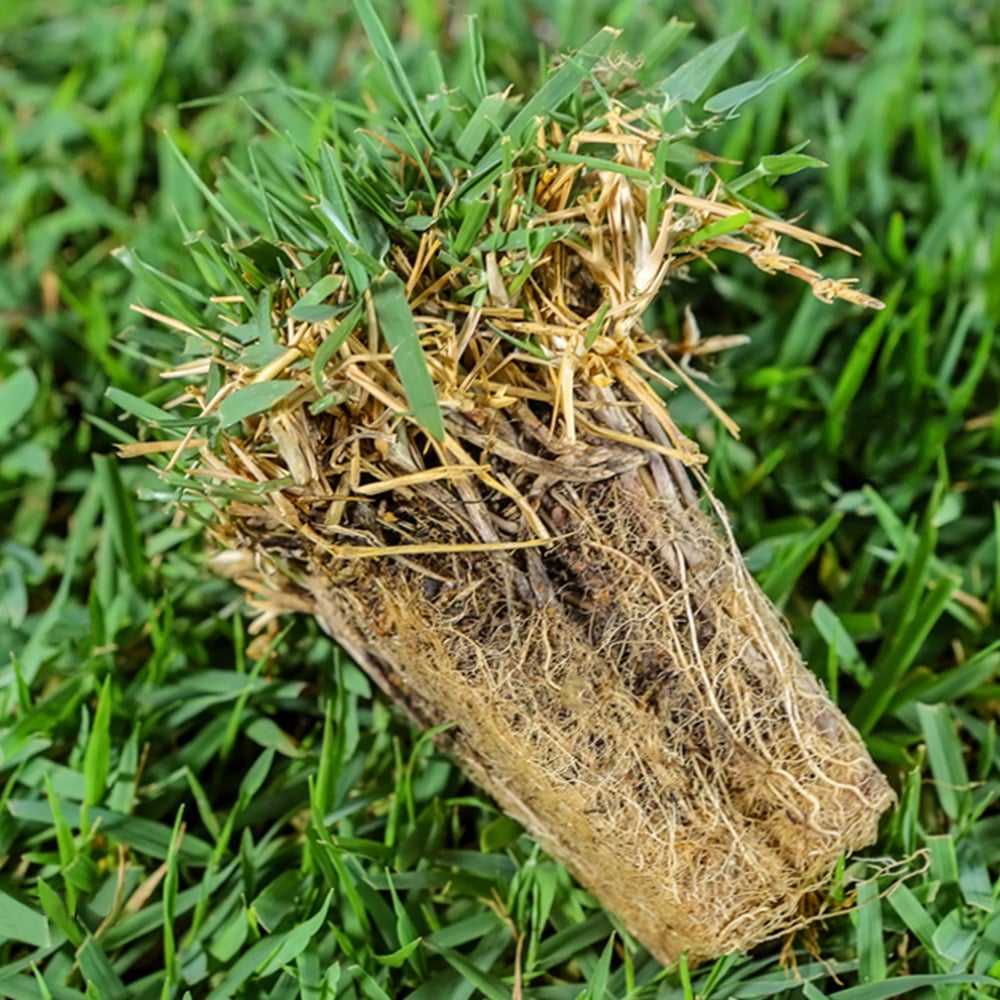
If your Zoysia grass isn’t spreading as you’d hoped, there are a few simple steps you can take to encourage growth. First, make sure it’s getting the right amount of sunlight and water. Zoysia thrives in warm temperatures, so ensure it’s not too cold for the grass. Aerating the soil can also help, as it improves air circulation and nutrient absorption. Consider proper fertilization to provide the essential nutrients it may be lacking. Lastly, if the grass is too thick, you might need to thin it out to promote better spreading. With a little care and attention, your Zoysia grass can spread beautifully across your lawn.
Sometimes, Zoysia grass may struggle to spread, leaving us puzzled about the next steps. This situation can result from various factors, including soil conditions, light exposure, and watering habits. In this article, we’ll delve into common reasons why Zoysia grass might not spread effectively, along with practical solutions to help you achieve the lush lawn you desire. Whether you’re dealing with issues like compacted soil or insufficient sunlight, understanding and addressing these factors will put you on the right path to a thriving Zoysia grass lawn. Let’s explore actionable tips that can transform your grass into the vibrant carpet you envision.

“`html
What to Do If Zoysia Grass Is Not Spreading
If you’ve planted Zoysia grass in your lawn, you might be eagerly waiting for it to spread and thrive. However, there are instances when Zoysia grass may not spread as expected. Understanding the reasons behind this can help you take the right measures for your lawn to flourish. This article will guide you through the steps you can take if your Zoysia grass is not spreading.
Understanding Zoysia Grass
Zoysia grass is a warm-season grass known for its dense growth, drought resistance, and ability to tolerate heat. It’s commonly used in lawns, golf courses, and parks. However, it can take time to establish properly. If you notice slow growth, consider the following factors before taking action.
Common Reasons for Poor Spread
Several factors can hinder Zoysia grass from spreading effectively. Identifying the root cause is essential for remedying the situation.
Inadequate Soil Conditions
Soil plays a vital role in the growth of Zoysia grass. If the soil is compacted or lacks essential nutrients, your grass may struggle. **Testing your soil** can help determine its pH level and nutrient content. Ideally, Zoysia thrives in well-drained, loamy soils with a pH of 6.0 to 7.0.
Insufficient Sunlight
Zoysia grass requires plenty of sunlight to grow well. It thrives in full sun, needing at least 6 to 8 hours of direct sunlight per day. Areas with excessive shade may prevent proper growth and spread.
Improper Watering Practices
Watering plays a significant role in Zoysia grass spread. Overwatering or underwatering can both lead to poor growth. Zoysia typically needs about 1 inch of water per week.
Pests and Diseases
Insects and diseases can impact Zoysia grass growth significantly. Common pests include grubs and chinch bugs, while diseases like brown patch or dollar spot can create problems. Regular lawn inspections can help you catch these issues early.
Steps to Improve Spreading
If you’re facing challenges with your Zoysia grass spread, consider implementing these strategies to enhance growth:
Soil Preparation
Start by preparing the soil. Aeration can relieve compaction, allowing roots to grow deeper and access nutrients more efficiently.
- Use a core aerator to remove plugs from the soil.
- Apply compost to improve nutrient content.
- Test and adjust the pH as needed.
Increase Sun Exposure
If your Zoysia grass is in a shaded area, consider trimming back branches or relocating obstacles that block sunlight.
- Identify areas with less than six hours of sun exposure.
- Consult a landscaping professional for advice on shade solutions.
Adjust Watering Techniques
Monitor your watering schedule. Ensure that you’re providing a consistent watering regimen.
- Water early in the morning to reduce evaporation.
- Avoid watering at night to prevent disease.
Pest and Disease Control
Regularly scout your lawn for signs of pests and diseases. This proactive approach can save your grass from further harm.
- Use insecticides or natural pest control methods as needed.
- Apply fungicides for fungal diseases.
When to Replant
If your Zoysia grass still isn’t spreading after implementing changes, consider replanting. This may involve more effort but can rejuvenate your lawn.
Timing for Replanting
Best practice suggests replanting during the warm season, typically in late spring or early summer, when temperatures are ideal for Zoysia growth.
Choosing the Right Type of Zoysia
There are various Zoysia grass varieties, each suited to different climates and conditions. Make sure to select a type that fits your geographical area.
- Zoysia japonica: Great for cooler climates.
- Zoysia matrella: Well-suited for warmer regions.
Fertilization for Growth
Proper fertilization is essential for the overall health of your Zoysia grass. Timing and type of fertilizer can make a difference.
Choosing the Right Fertilizer
Opt for a slow-release fertilizer designed for Zoysia grass. This ensures that the nutrients are released gradually.
- Look for fertilizers high in phosphorus to encourage root growth.
- Follow the manufacturer’s instructions for application rates.
Frequency of Fertilization
Consider fertilizing your Zoysia grass at key times throughout the growing season.
- Early spring: Kickstart growth.
- Mid-summer: Support continued health.
Maintaining Proper Mowing Practices
Mowing your Zoysia grass at the right height is crucial for its health and spread.
Mowing Height
Keep your mower blade set to the correct height for Zoysia grass, between 1 to 2 inches. Mowing too low can stress the grass and hinder its growth.
- Regularly check the mower blade for cleanliness.
- Ensure it’s sharp to avoid tearing the grass.
Frequency of Mowing
Mow regularly during the growing season to maintain optimal height and promote dense growth.
Encouraging Spreading Through Reseeding
If patches of Zoysia grass are not spreading, reseeding can help. This method involves planting seeds in bare areas to encourage growth.
Best Practices for Reseeding
Timing is crucial. The best time to reseed Zoysia grass is in late spring or early summer.
- Prepare the soil by raking the area where you intend to plant.
- Spread the seeds evenly and water lightly.
Post-Reseeding Care
After reseeding, ensure you provide adequate support for growth.
- Avoid mowing the newly seeded areas until the grass is established.
- Keep the soil consistently moist but not soggy.
Long-Term Care for Zoysia Grass
Long-term care is essential to promote healthy growth and spread over time.
Regular Lawn Maintenance
Commit to a routine lawn care schedule. This includes fertilization, watering, aeration, and pest control.
- Schedule seasonal soil testing.
- Keep an eye out for changes in grass health.
Seasonal Adjustments
Adjust your lawn care practices based on seasonal conditions.
- In winter, let the grass rest but monitor for weeds.
- Prepare the lawn for spring growth well in advance.
In conclusion, by understanding the reasons behind Zoysia grass not spreading and implementing the proper corrective measures, you can encourage your lawn to flourish. Take the time to evaluate soil conditions, sunlight exposure, watering practices, and pest control to create an inviting environment for your grass to thrive. If necessary, consider replanting or reseeding to rejuvenate your lawn and maximize the potential of your Zoysia grass. Your efforts will pay off with a lush, green lawn that you can enjoy for years to come.
“`
How to Get Zoysia Grass to Spread Faster in Your Yard
Frequently Asked Questions
“`html
What environmental factors might be preventing my Zoysia grass from spreading?
Several environmental conditions can hinder the spread of Zoysia grass. It thrives in warm, sunny areas and requires at least six hours of sunlight daily. Cool temperatures, excessive shade, or poor soil drainage can negatively impact its growth. Ensure your lawn is well-drained and receives adequate sunlight to promote spreading.
How does soil health affect the spread of Zoysia grass?
Soil health plays a crucial role in the growth of Zoysia grass. Compacted or nutrient-poor soil can prevent the grass from establishing and spreading effectively. Conduct a soil test to check pH levels and nutrient content. If necessary, amend the soil with organic matter or fertilizers to improve its quality.
What maintenance practices can enhance the growth of Zoysia grass?
Proper maintenance can significantly affect Zoysia grass growth. Regular mowing at the correct height (usually around 1-2 inches) helps promote lateral growth. Additionally, maintain a consistent watering schedule, especially during dry spells, and avoid overwatering, as it can lead to disease. Aerating the lawn can also improve air circulation and root development.
Can pests or diseases hinder the growth of Zoysia grass?
Yes, various pests and diseases can affect Zoysia grass growth. Inspect your lawn for signs of pests like grubs or chinch bugs and treat any infestations promptly. Additionally, watch for diseases such as brown patch or dollar spot. Implementing preventive measures, such as proper watering and fertilization, can help reduce the risk of disease.
Is it beneficial to overseed Zoysia grass, and how should I do it?
Overseeding Zoysia grass can help fill in bare spots and promote a denser lawn. Choose a compatible grass type to overseed, typically with a similar growth habit. Apply the seeds during the ideal season—late spring to early summer—when temperatures are warm. Keep the soil moist during germination to encourage successful growth.
“`
Final Thoughts
If Zoysia grass is not spreading, check the soil conditions and ensure it is well-aerated and properly drained. Applying the right fertilizer can also promote growth and encourage spreading.
Maintaining adequate moisture levels is crucial, so water regularly but avoid overwatering.
Finally, consider overseeding with Zoysia grass in bare spots to help it fill in more quickly. Keep these tips in mind for “What to do if Zoysia grass is not spreading” to enjoy a lush, green lawn.