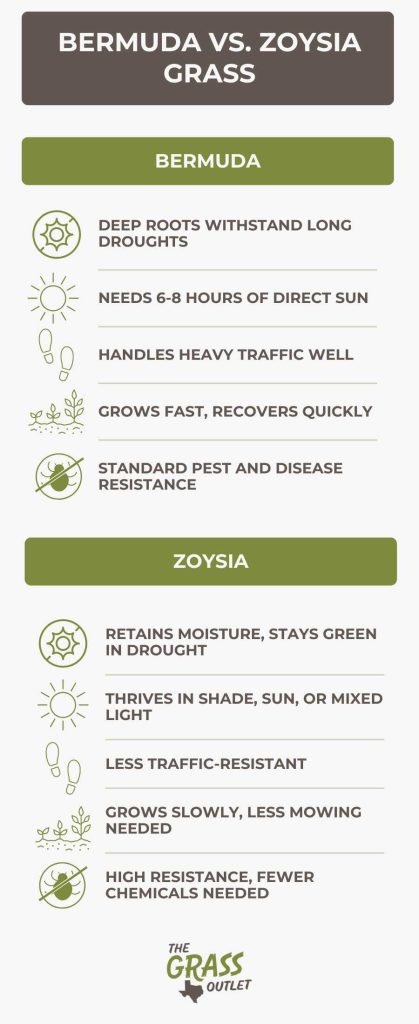
Absolutely, Zoysia grass can thrive in sandy soil! This resilient turf variety is known for its ability to adapt to various soil types, including sandy conditions. Sandy soil, while it may drain quickly, can be enriched with organic matter and nutrients to support healthy growth. Zoysia is particularly appreciated for its drought tolerance and low maintenance needs, making it a popular choice for homeowners looking for a durable lawn. In this article, we’ll explore the characteristics of Zoysia grass, how it interacts with sandy soil, and tips for ensuring a lush, green lawn even in less than ideal conditions. Let’s dive into how you can successfully grow Zoysia grass in sandy soil!

Can Zoysia Grass Grow in Sandy Soil?
Zoysia grass is a popular choice for many homeowners and landscapers alike. But can it thrive in sandy soil? Let’s explore this question and understand the unique requirements of Zoysia grass.
Understanding Zoysia Grass
Zoysia grass is a warm-season turfgrass known for its dense growth, heat tolerance, and drought resistance. This type of grass is favored in various regions due to its resilience. Additionally, Zoysia grass establishes a thick mat that can outcompete weeds effectively.
When considering Zoysia grass for your lawn, it’s essential to understand its growing habits. Here are some key features:
- Adaptability to different soil types
- Low maintenance once established
- Excellent foot traffic tolerance
Sandy Soil Characteristics
Sandy soil consists of large particles and offers excellent drainage. However, it has a lower capacity for holding nutrients and moisture. This can pose challenges for growing Zoysia grass, which requires certain conditions to flourish.
- Well-draining but often too dry
- Low fertility levels
- Quick to warm up in spring
Understanding these characteristics is critical. Zoysia grass prefers a soil mix that retains moisture and nutrients while still allowing for drainage.
Can Zoysia Grass Survive in Sandy Soil?
The short answer is yes! Zoysia grass can grow in sandy soil, but it may require some extra care. Here’s how to ensure success:
- Amend the soil to improve nutrient content
- Ensure consistent watering, especially during dry spells
- Use fertilizers tailored for sandy soils
While sandy soil presents challenges, the adaptability of Zoysia grass means that with the right strategies, homeowners can indeed create a lush lawn.
Improving Sandy Soil for Zoysia Grass
To optimize sandy soil for Zoysia grass growth, various amendments can be made:
Organic Matter Addition
Incorporating organic matter like compost can significantly enhance sandy soil. Compost improves nutrient retention and moisture holding capacity. A good recommendation is to mix 2-3 inches of compost into the top layer of soil before planting.
Soil Testing
Conducting a soil test is vital. This will determine the current pH and nutrient levels. Based on the results, you can amend the soil accordingly. Zoysia grass prefers slightly acidic to neutral soil, ideally between pH 6.0 and 7.0.
Fertilization
Using a slow-release fertilizer in sandy soil can help. Be sure to follow the recommended guidelines for Zoysia grass to avoid burning the grass with too much nitrogen.
Watering Needs for Zoysia Grass
Zoysia grass in sandy soil will require more frequent watering, especially in its establishment phase. Here are some tips:
- Water deeply but infrequently to encourage deep rooting
- Use a soaker hose or irrigation system for even distribution
- Avoid watering during the hottest part of the day to reduce evaporation
Proper watering can help Zoysia grass adapt to less-than-ideal conditions in sandy soils.
Maintenance Practices for Zoysia Grass
Taking care of Zoysia grass in sandy soil involves specific maintenance routines. Here are some best practices:
Mowing
Regular mowing promotes healthy growth. Set your mower to a height of 1-2 inches. This encourages a denser lawn, which helps with moisture retention.
Pest Management
Sandy soils can be susceptible to pests. Monitor your lawn for signs of pests or disease. Consider using organic pest control methods to maintain a healthy lawn without harming beneficial insects.
Overseeding
If you notice thinning areas in your Zoysia grass, overseeding can rejuvenate your lawn. Choose a compatible grass seed to fill in those spots, ensuring that it matches the Zoysia grass in growth habits.
Benefits of Zoysia Grass in Sandy Soil
Choosing Zoysia grass for sandy soil can offer several advantages:
- Strong drought resistance helps it thrive in arid conditions
- Its dense growth reduces the chances of weed invasion
- It provides a lush, green lawn that enhances curb appeal
These benefits make Zoysia grass an ideal candidate, even in sandy environments.
Common Challenges in Growing Zoysia Grass in Sandy Soil
While Zoysia grass can grow in sandy soil, there are challenges to be aware of. Understanding them can help you prepare better.
Moisture Loss
Sandy soil drains quickly, leading to rapid moisture loss. Regular watering is essential, especially during hot weather. Use mulch or ground covers to help retain moisture in the soil.
Nutrient Deficiency
Sandy soils often lack nutrients. Be proactive in your fertilization schedule and choose fertilizers that enhance soil health. Adjust your nutrient offering throughout the growing season based on the grass’s needs.
In summary, Zoysia grass can indeed grow in sandy soil with the right techniques and care. Amending your soil, proper watering, and routine maintenance can lead to a thriving lawn. By understanding the unique needs of Zoysia grass, homeowners can create a lush, green space even in the sandy soil they may have.
Seeding Bermuda Lawns and Zoysia Lawns
Frequently Asked Questions
What type of sandy soil is best for Zoysia grass?
Zoysia grass thrives best in sandy soil that has good drainage and a slightly acidic to neutral pH level. Ideally, the soil should contain organic matter that enhances nutrient retention and moisture levels. Soil that is too coarse may not hold enough water, so mixing in some organic compost can help create a more balanced environment for the grass.
How can I improve sandy soil for Zoysia grass growth?
You can improve sandy soil by adding organic materials such as compost, peat moss, or well-rotted manure. These amendments increase the soil’s ability to retain moisture and nutrients. Regularly aerating the soil also helps improve its structure and promotes healthier grass growth.
Can Zoysia grass survive dry conditions in sandy soil?
Zoysia grass is relatively drought-tolerant once established. However, sandy soil tends to dry out quickly, so it’s important to provide sufficient water, especially during the establishment phase. Once it’s well-grown, Zoysia grass can manage better under dry conditions due to its deep root system.
How does sandy soil affect the fertilization of Zoysia grass?
Sandy soil generally requires more frequent fertilization compared to clay soils because it leaches nutrients quickly. Applying a slow-release fertilizer can help provide essential nutrients over time. It’s best to conduct a soil test to determine the specific nutrient needs of your sandy soil.
What maintenance practices should I follow for Zoysia grass in sandy soil?
Regular mowing, watering, and fertilization are crucial for maintaining Zoysia grass in sandy soil. Mow the grass to a height of about 1 to 2 inches to encourage density. Water deeply but less frequently to promote deep root growth. Additionally, aerate the soil annually to prevent compaction and enhance its ability to hold nutrients.
Final Thoughts
Zoysia grass can thrive in sandy soil, making it a viable option for many homeowners. Its deep root system allows it to adapt to various soil types, including sandy environments. Proper care, such as regular watering and fertilization, enhances its growth and resilience.
Can Zoysia grass grow in sandy soil? Yes, with the right maintenance, it can flourish in such conditions. Choosing Zoysia grass for sandy soil can lead to a lush and vibrant lawn, providing an attractive outdoor space. Adapting to sandy soil conditions makes Zoysia grass a practical choice for many landscapes.