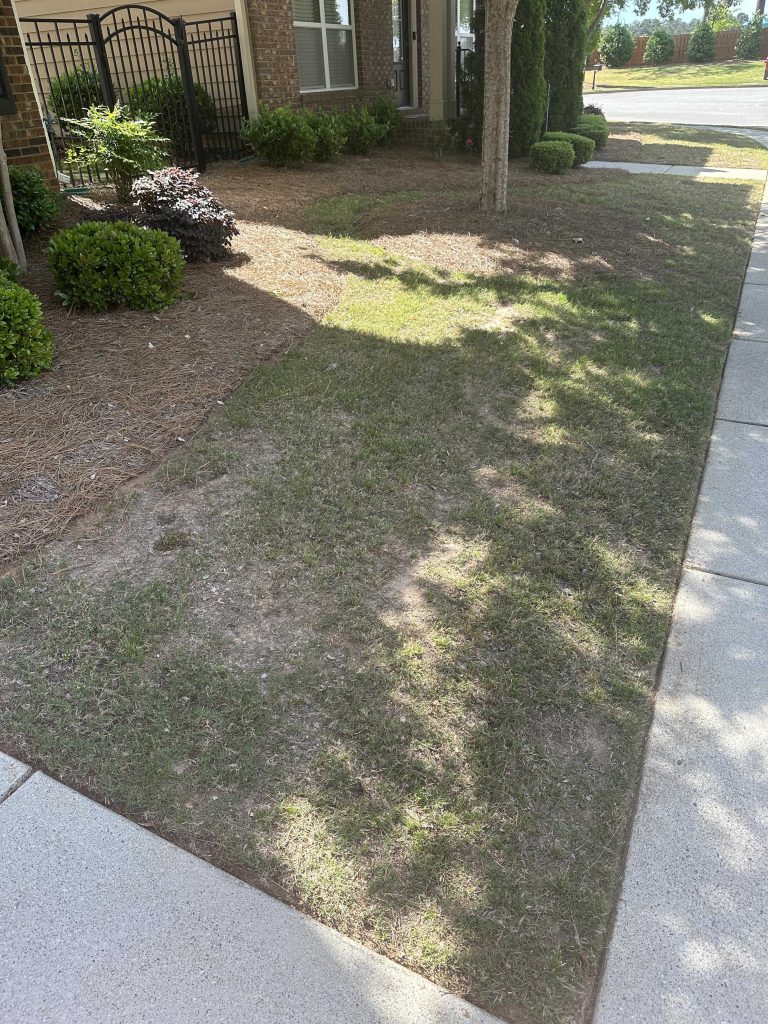
The best grass to mix with Bermuda in shaded areas is Zoysia or St. Augustine, as they thrive better in low-light conditions. These grasses can complement Bermuda’s warmth and help create a lush, green lawn even in shaded spots. For a successful mix, selecting grasses that tolerate shade and match Bermuda’s grow patterns is key, ensuring a healthy, resilient lawn throughout the year.
For those struggling with Bermuda grass in shady zones, choosing a compatible grass type like Zoysia or St. Augustine can make a big difference. These grasses are shade-tolerant and blend well with Bermuda, providing a greener, more inviting yard. Combining these grasses not only improves the visual appeal but also enhances the lawn’s overall health, especially in areas where sunlight is limited. Whether planting a new lawn or overseeding, understanding the best mix can help you achieve a vibrant, low-maintenance landscape that stays lush and green in the shadows.

Best Grass to Mix with Bermuda in Shade
Understanding Bermuda Grass and Its Shade Tolerance
Bermuda grass is known for its durability and heat tolerance, making it a popular choice for lawns and sports fields. However, Bermuda thrives best in full sunlight and struggles to grow in shaded areas. When a yard has significant shade, mixing Bermuda with other grasses can help maintain a lush, healthy lawn.
Shade tolerance varies among grass types, so choosing the right companion grass is crucial. This section explores Bermuda’s characteristics and the importance of selecting compatible grasses for shaded zones.
Challenges of Growing Bermuda Grass in Shade
Bermuda grass needs at least six hours of direct sunlight each day to stay vigorous. In shaded areas, it tends to thin out, turn brown, or become Patchy. Excessive shade suppresses Bermuda’s growth, making it less resilient to pests and weeds.
To overcome this, mixing Bermuda with shade-tolerant grasses can create a balanced lawn. Understanding these challenges helps homeowners make informed decisions and improve their yard’s overall health.
Criteria for Choosing the Best Grass Mix in Shade
Selecting grasses to mix with Bermuda in shady spots requires considering several factors:
- Shade Tolerance: The grass should survive and stay green in low light.
- Growth Rate: Compatibility in growth patterns helps prevent crowding or patchiness.
- Water and Maintenance Needs: Similar requirements simplify lawn care.
- Color and Texture: Aesthetics matter; blending similar shades and textures creates a natural look.
Matching these criteria ensures a healthy, attractive landscape that withstands varying light conditions.
Top Grass Options to Mix with Bermuda in Shade
Several grass varieties mix well with Bermuda to improve shade tolerance. The most popular options include:
Zoysiagrass
Zoysiagrass is a warm-season grass that handles shade better than Bermuda. It forms a dense, lush turf that can blend well in mixed lawns. Its deep green hue adds vibrancy, and it tolerates foot traffic and drought.
St. Augustine Grass
St. Augustine is known for its shade tolerance and rapid establishment. It thrives in areas with partial shade and provides a soft, thick lawn. Its wide blades complement Bermuda’s finer texture.
Bermuda and Zoysiagrass Mix for Shade
Blending Bermuda with Zoysiagrass combines the durability of Bermuda with the shade adaptability of Zoysia. This mix is ideal for lawns that receive partial sunlight and need a resilient grass.
Smooth Crabgrass and Other Alternatives
While sometimes considered a weed, some homeowners opt for tolerant grasses like crabgrass or centipede grass for shaded areas. However, these are less durable and may require more maintenance.
How to Prepare and Plant Mixed Lawns in Shaded Areas
Preparing the soil and selecting the right planting method is vital. Ensure the area is properly aerated, and soil is enriched with organic matter to promote healthy root establishment.
For seeding, match the grass type with the existing lawn and follow recommended planting dates. Overseeding in early spring or late summer can help establish a resilient, shaded turf.
Maintenance Tips for Mixed Bermuda Lawns in Shade
Regular maintenance keeps the lawn thriving. Mowing height should be adjusted according to grass type, generally around 1.5 to 2.5 inches.
Water deeply but infrequently to prevent shallow roots and promote drought tolerance. Fertilize with a balanced, slow-release fertilizer suited for both Bermuda and shade-tolerant grasses.
Incorporating Shade-Tolerant Ground Covers and Alternatives
In areas where grass struggles to thrive, consider adding ground covers like creeping Jenny or moss. These plants tolerate shade and reduce lawn maintenance. Mixing ground covers with grass can create a diverse, attractive landscape.
Benefits of Mixing Bermuda with Shade-Tolerant Grasses
Combining Bermuda with shade-tolerant grasses offers multiple benefits:
- Enhanced Shade Coverage: The lawn remains green even in low light conditions.
- Reduced Maintenance: Less patchiness means fewer repairs and reseeding.
- Improved Lawn Density: The mix creates a dense turf that resists weeds and pests.
- Visual Appeal: A varied texture and color provide a natural, appealing look.
These benefits make mixing grasses a smart solution for shaded lawns.
Considerations for Different Climates and Soil Types
Climate heavily influences grass choice. Warm-season grasses like Bermuda and Zoysia flourish in hot climates, while cool-season options suit milder regions.
Soil type also impacts growth; sandy soils drain quickly, requiring drought-tolerant varieties. Loamy or clay soils may need organic amendments to improve fertility and moisture retention.
Common Mistakes to Avoid When Mixing Grass in Shade
Avoid planting incompatible grasses that have different water and fertility needs. Overlooking shade levels can lead to patchy, unhealthy lawns.
Additionally, neglecting soil preparation or improper mowing can weaken the turf. Regularly monitor grass health and adjust watering and fertilization accordingly.
Mixing Bermuda grass with shade-tolerant species like Zoysiagrass or St. Augustine can significantly improve lawn appearance and resilience in shaded zones. Understanding the specific needs of each grass type and properly preparing your soil ensures a lush, durable yard. Regular maintenance, combined with strategic planting, helps create a landscape that remains vibrant and healthy, even with limited sunlight.
Grow bermuda grass in shade?
Frequently Asked Questions
What low-maintenance grasses can blend well with Bermuda in shaded areas?
Fescue grasses, such as tall fescue, require less frequent mowing and watering, making them a practical choice to mix with Bermuda in shaded zones. These grasses tolerate moderate shade and retain a fine texture that complements Bermuda’s dense growth, creating a lush, manageable lawn.
Are there any drought-tolerant grasses suitable for mixing with Bermuda in shaded spots?
Zoysia grass stands out as a drought-tolerant option that tolerates partial shade. It forms a dense mat that blends seamlessly with Bermuda, helping your lawn stay green and healthy with minimal watering, even in less sunny areas.
Which cool-season grasses work best when combined with Bermuda in areas with limited sunlight?
How can I improve the shade tolerance of my Bermuda lawn through mixing grasses?
Mixing Bermuda with shade-tolerant grasses like St. Augustine or Zoysia can enhance overall shade resistance. Proper lawn care, including adequate watering, fertilization, and mowing at the right height, will help these grasses establish well and create a balanced, healthy turf.
What factors should I consider when selecting grasses to combine with Bermuda for shaded regions?
Choose grasses based on shade tolerance, water needs, and maintenance requirements. It’s essential to match the grasses’ growth habits and environmental adaptability to ensure they thrive together, resulting in a durable and attractive lawn even in less sunny areas.
Final Thoughts
The best grass to mix with Bermuda in shade depends on your specific needs. Zoysia grass offers good shade tolerance and pairs well with Bermuda, creating a lush and healthy lawn. Fine fescues, such as creeping red fescue, also blend nicely and thrive in shaded areas.
Choosing the right mixture enhances your lawn’s durability and appearance. Overall, combining Bermuda with shade-tolerant grasses like Zoysia or Fescue provides a balanced solution for shaded lawns.