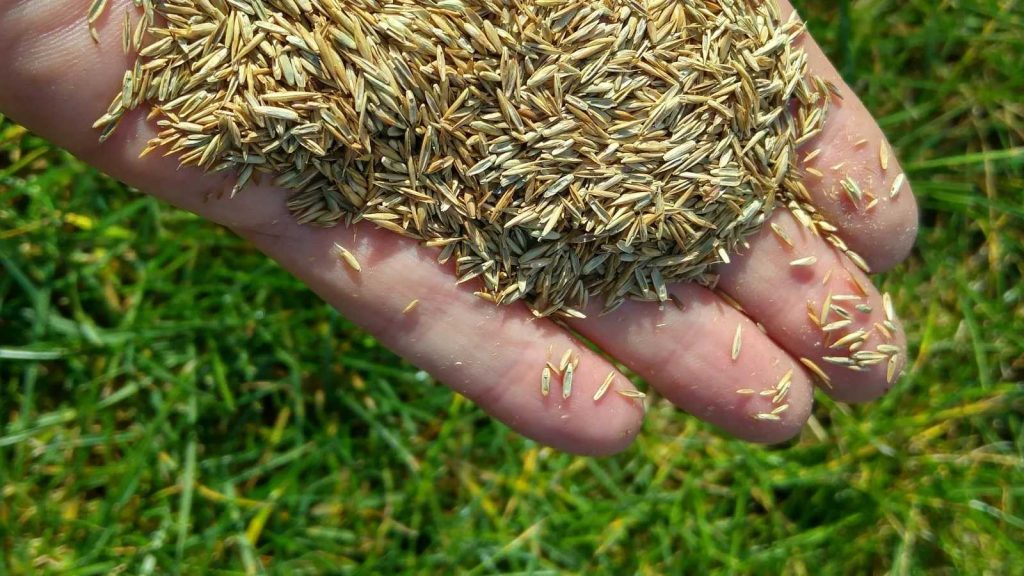
To successfully seed Bermuda grass, start by preparing your soil, choosing high-quality seed, and ensuring proper watering and fertilization. The key is to create optimal conditions for the grass to germinate and establish quickly. With patience and the right techniques, you’ll soon enjoy a lush, green lawn that stands out.
Bermuda grass seeding is all about preparation and timing. First, clear the area of weeds and debris, then loosen the soil to promote root growth. Spread a uniform layer of seed, keeping in mind the recommended seeding rate. Water consistently to keep the soil moist, and apply fertilizer to support healthy growth. With the right care, your Bermuda grass lawn will thrive in no time.
Starting a Bermuda grass lawn can seem intimidating, but with the right approach, it becomes a rewarding project. Bermuda grass is popular for its durability and lush appearance, making it a top choice for lawns in warm climates. Whether you’re renovating an old yard or establishing new turf, understanding the seeding process is crucial. From soil preparation to watering schedules, knowing these steps helps ensure your grass germinates successfully and develops into a beautiful, resilient lawn. So, if you’re eager to grow vibrant Bermuda grass, follow these simple tips to get started right away.

How to Seed Bermuda Grass
Seeding Bermuda grass can be a great way to create a lush, green lawn. Proper steps ensure the grass grows healthy and thick. Let’s explore everything you need to know about seeding Bermuda grass step-by-step.
Understanding Bermuda Grass and Its Benefits
Bermuda grass is a warm-season grass that thrives in hot climates. It is known for its durability, drought tolerance, and ability to withstand heavy foot traffic. This makes it an ideal choice for lawns that require resilience and low maintenance.
Because Bermuda grass grows quickly and spreads efficiently, it creates a dense turf that can suppress weeds. Plus, it stays green during warmer months, providing a vibrant look to your yard.
Best Time to Seed Bermuda Grass
The optimal time to seed Bermuda grass is during late spring or early summer. When soil temperatures reach around 65 to 70 degrees Fahrenheit, the seeds germinate best.
Seeding during this window allows the grass to establish before the hot summer months. Avoid planting in cooler months, as the grass will struggle to grow and may not survive the winter.
Preparing Your Lawn for Seeding
Step 1: Remove Old Grass and Debris
Clear your yard of any old grass, weeds, rocks, or debris. Use a rake or tiller to loosen the soil and remove unwanted materials. This creates a clean surface for seed contact.
Step 2: Test and Improve Soil Quality
Conduct a soil test to check pH levels and nutrient content. Bermuda grass prefers a pH between 5.8 and 7.0. Adjust soil pH by adding lime or sulfur as needed.
If soil nutrients are lacking, incorporate a balanced fertilizer to improve fertility. This helps seeds germinate faster and grow stronger.
Step 3: Loosen and Level the Soil
Use a rake or garden tiller to loosen the soil to a depth of about 2 to 3 inches. Level the surface with a rake, ensuring there are no high or low spots. Even soil helps seeds distribute evenly.
Seeding Bermuda Grass: Step-by-Step Process
Step 1: Select the Right Bermuda Grass Seed
Choose high-quality Bermuda grass seed suited for your climate and sunlight exposure. Look for varieties with high germination rates and disease resistance. Popular types include Tifway, Tifgreen, or Sahara.
Step 2: Spread the Seeds Uniformly
Use a broadcast spreader for even distribution. Divide the total seed amount into two parts and spread one part in one direction, then the second part at a right angle. This ensures uniform coverage.
Follow the recommended seeding rate specified on the seed packaging, typically around 1 to 2 pounds per 1000 square feet.
Step 3: Incorporate Seeds Into the Soil
Lightly rake the soil to cover seeds with a thin layer of soil—about ¼ inch. Press the soil gently with a roller or by walking over it to improve seed-to-soil contact.
This contact is crucial for germination success, especially in dry or loose soils.
Watering and Care After Seeding
Step 1: Water Gently and Frequently
Initially, keep the soil consistently moist but not waterlogged. Water lightly at least twice daily until seeds sprout, which usually takes between 7 to 14 days.
Once the grass begins to grow, reduce watering intervals while increasing the amount to encourage deep root growth.
Step 2: Maintain Proper Moisture Levels
Consistent moisture ensures healthy germination. Use a watering schedule that provides about 1 inch of water per week, adjusting for rainfall.
Step 3: Avoid Overwatering and Puddling
Too much water can lead to fungal diseases or seed rot. Ensure the soil drains well and adjust watering as needed based on weather conditions.
Fertilizing Bermuda Grass for Healthy Growth
Initial Fertilization
Apply a starter fertilizer high in phosphorus to encourage root development. Follow manufacturer instructions for application rates.
Ongoing Nutrient Management
Switch to a fertilizer with higher nitrogen content as the grass matures. Typically, Bermuda grass benefits from fertilization every 6 to 8 weeks during active growing seasons.
Monitor the grass’s color and growth rate to determine if additional feeding is necessary.
Managing Weed and Pest Control
Keeping Bermuda grass healthy minimizes weed invasion. Use pre-emergent herbicides if weeds are a persistent problem.
Inspect regularly for pests such as grubs or armyworms. Apply appropriate treatments when pests are detected to prevent damage to the grass.
Common Challenges and How to Overcome Them
Thin or Patchy Growth
If your lawn develops bare spots, overseed in the spring or early summer. Ensure proper soil preparation and watering for best results.
Soil Drainage Issues
Poor drainage can hinder seed germination and root health. Improve soil drainage with sand or organic matter if needed.
Sunlight and Traffic Considerations
Bermuda grass requires full sun for optimal growth. Keep foot traffic minimal during the initial seeding period to prevent soil compaction.
Related Topics to Explore
- How to Mow Bermuda Grass for a Healthy Lawn
- Best Fertilizers for Bermuda Grass
- Watering Tips for Bermuda Grass in Hot Climates
- Overseeding Bermuda Grass for Thicker Turf
By following these detailed steps, you can successfully seed Bermuda grass and develop a vibrant, healthy lawn. Proper preparation, consistent care, and patience are key to ensuring your grass establishes well and grows beautifully over time.
Seeding Bermuda Lawns and Zoysia Lawns
Frequently Asked Questions
When is the best time to plant Bermuda grass seeds?
The ideal time to seed Bermuda grass is during late spring or early summer when soil temperatures are consistently between 65°F and 70°F. Warmer weather encourages rapid germination and healthy growth. Avoid planting in the cooler months as the grass may not establish properly or could be damaged by frost.
How should I prepare the soil for seeding Bermuda grass?
Start by removing any existing weeds, grass, or debris from the area. Loosen the soil using a rake or tiller to improve aeration. Incorporate organic matter or compost to boost soil fertility and ensure good drainage. Level the soil surface to create a smooth, even bed for planting, which promotes uniform seed distribution and growth.
What techniques can I use to ensure even seed distribution?
You can use a broadcast spreader or a seed dropper to evenly disperse Bermuda grass seeds across the prepared soil. After spreading, lightly rake the area to press the seeds into the soil and ensure good seed-to-soil contact. This process helps improve germination rates and results in a dense, healthy lawn.
How much water is necessary after seeding Bermuda grass?
Keep the soil consistently moist by watering lightly and frequently—at least once or twice a day—until the seeds germinate, which typically takes 7 to 14 days. Once the grass begins to establish, gradually reduce frequency but increase the depth of watering to encourage deep root growth.
What steps should I follow to ensure successful germination and growth?
Maintain proper soil contact by covering the seeds with a thin layer of soil or compost. Keep the area free from heavy foot traffic during the initial growth phase. Regularly water the area to keep the soil moist, and avoid overwatering, which can cause diseases. As the grass grows, fertilize with a balanced starter fertilizer to support healthy development.
Final Thoughts
To seed Bermuda grass effectively, prepare your soil by removing weeds and debris. Loosen the topsoil and level the area for even seed distribution.
Spread the grass seed evenly using a spreader or by hand, ensuring good coverage. Water the area gently but thoroughly to keep the soil moist.
Consistent watering and proper maintenance promote healthy germination. In conclusion, learning how to seed Bermuda grass helps establish a lush lawn quickly.