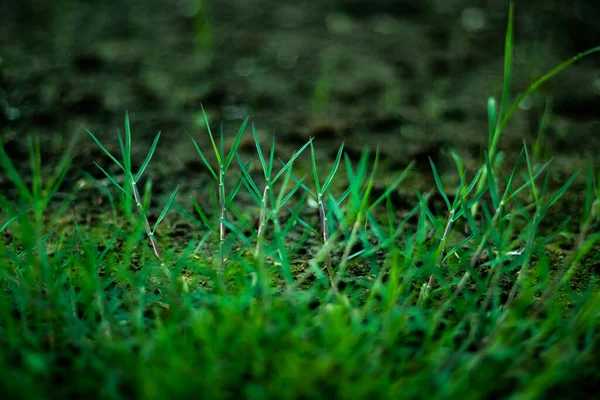
The best time to plant Bermuda grass seed in Georgia is in late spring or early summer, once soil temperatures consistently reach around 65-70°F. This timing ensures optimal germination and healthy growth, letting your lawn thrive throughout the warmer months.
In short, plant Bermuda grass seed in Georgia after the last frost, typically from late April to early June, when soil and air temperatures are ideal. Proper timing guarantees your grass establishes well and stays lush all season long.
Getting your lawn ready for the perfect Bermuda grass growth period is crucial for a healthy, green yard. Georgia’s climate offers the ideal conditions for Bermuda grass, but knowing the right planting window can make all the difference. Starting in late spring after the risk of frosts has passed helps the seed sprout quickly and develop strong roots. Additionally, paying attention to soil temperature and ensuring it’s warm enough will give your Bermuda grass the best start possible. Whether you’re reviving an existing lawn or planting anew, timing your seed correctly will lead to a thicker, more resilient lawn that stays green and vibrant through the heat of summer.

When to Plant Bermuda Grass Seed in Georgia
Planting Bermuda grass seed at the right time is essential for a lush, healthy lawn in Georgia. The climate and seasonal changes influence the best planting window. Understanding these factors helps gardeners achieve optimal growth and minimal weed competition.
Understanding Georgia’s Climate and Growing Season
Georgia’s climate varies from humid subtropical in most regions to some cooler areas in the north. Summers are hot and humid, making them ideal for Bermuda grass cultivation. Winters are generally mild, although occasional frost can occur in northern parts.
To determine the best planting time, it is crucial to consider the local frost dates and soil temperature. These factors impact seed germination and grass establishment. The goal is to plant when the soil warmth encourages rapid germination without the risk of frost damage.
Average Frost Dates in Georgia
- Last spring frost: typically late March to early April
- First fall frost: usually late October to early November
Plant Bermuda grass seed after the danger of spring frost has passed and before the first fall frost appears. This window ensures the grass has enough warm weather to establish roots.
Ideal Soil Temperatures for Planting
Bermuda grass seed germinates best when soil temperatures are consistently between 65°F and 70°F. Waiting until soil heats up during late spring or early summer increases the chances of a successful lawn.
Use a soil thermometer to check current conditions. When the soil reaches the optimal temperature range, it is the right time to plant Bermuda grass seed.
Best Time Frame to Plant Bermuda Grass in Georgia
Late Spring to Early Summer
The most recommended planting period is from late April to early June. During this time, soil temperatures are warm enough for quick germination and growth. Planting during this window allows the grass to develop roots before the hottest part of summer.
Early Summer Considerations
If you missed late spring planting, early summer planting can still work, especially in southern Georgia. Ensure that irrigation is available to keep the soil moist during germination.
Avoid Late Summer Planting
Planting Bermuda grass seed in late summer or early fall can be risky. High temperatures and drought conditions may hinder establishment, and the approaching winter could stunt growth.
Factors That Influence When to Plant Bermuda Grass Seed in Georgia
Soil Preparation and Conditions
Proper soil preparation enhances seed success. Clear the area of weeds, loosen the soil, and amend it with compost or fertilizer if needed. Well-prepared soil warms up faster and supports healthy root development.
Rainfall and Irrigation
Consistent moisture is vital during germination. Plan planting when rainfall is forecasted or have an irrigation system ready. Adequate water keeps soil moist and encourages even seedling growth.
Grass Type and Variety
Choosing the right Bermuda grass variety ensures better adaptation to Georgia’s climate. Some popular types include Tifton 85, TiffTurf, and Common Bermuda. Each responds differently to planting times and conditions.
Seeding Tips for Georgia Gardens
Seed Quantity and Spreading
- Use approximately 1 to 2 pounds of seed per 1000 square feet.
- Spread the seed evenly using a broadcast spreader or by hand for small areas.
Seeding Methodology
After spreading the seed, lightly rake the area to ensure good seed-to-soil contact. Applying a thin layer of soil or compost can enhance germination rates.
Watering and Care After Planting
Keep the soil consistently moist for the first two weeks. Water lightly but frequently to prevent the seed from drying out. Once the grass establishes, gradually reduce watering frequency.
Monitoring and Post-Planting Maintenance
Growth Observation
Watch for germination signs within 7 to 14 days. Thin patches may require overseeding to promote even coverage. Regular mowing and fertilization keep Bermuda grass healthy during its growth phase.
Dealing With Challenges
Control weeds early, as they compete with young Bermuda grass. Use pre-emergent herbicides if necessary, but avoid them during seeding unless specified as safe for new seedlings.
Seasonal Care Tips
- Apply fertilizer during late spring and summer to boost growth.
- Avoid heavy foot traffic on new lawns until roots are well-established.
Related Topics to Consider
Overseeding Existing Lawns
If you are overseeding an established Bermuda lawn, do so in late spring or early summer for best results. Prep the area similarly by removing weeds and aerating if needed.
Alternative Planting Options
In areas where seeding isn’t ideal, sod installation can provide an immediate lawn. Sodding is best done in early summer for quick establishment.
Climate Variations Within Georgia
In northern Georgia, planting may need to be delayed until late April or early May due to cooler temperatures. In southern regions, planting can start earlier, around late March.
Timing for Best Results
Always align planting with local weather patterns and frost dates. Consulting local gardening centers can provide tailored advice for your specific location.
Planting Bermuda grass seed in Georgia requires paying close attention to soil temperature, frost dates, and seasonal weather. Timing your planting correctly ensures a vibrant, lush lawn that thrives throughout the warm months.
When to Seed Bermuda Grass?
Frequently Asked Questions
What is the ideal time to sow Bermuda grass seed in Georgia for optimal growth?
The best time to plant Bermuda grass seed in Georgia is during late spring through early summer, typically from late April to June. This period ensures temperatures are consistently warm, around 75°F to 90°F, which promotes healthy germination and growth. Planting during this timeframe allows the grass to establish before the cooler fall months.
Can I plant Bermuda grass seed in Georgia during the late summer or early fall?
While it is possible to plant Bermuda grass seed in late summer or early fall, it is less ideal because the cooler temperatures and shorter days slow down germination and growth. If you choose to plant during this time, do so early enough so the grass can develop a strong root system before temperatures drop significantly. Ensure that the soil remains warm and dry to support healthy establishment.
How do temperature and soil conditions influence the planting schedule for Bermuda grass in Georgia?
Warm soil temperatures between 65°F and 75°F are crucial for successful Bermuda grass seed germination. In Georgia, these conditions typically occur from late spring to early summer. Cooler temperatures in fall and winter hinder seed sprouting and can cause poor establishment. Maintaining well-drained soil and ensuring it is warm enough helps determine the best planting window for your lawn.
Is it advisable to wait until after the last frost to plant Bermuda grass in Georgia?
Yes, waiting until after the last frost is recommended because frost can damage young seedlings and hinder growth. In most parts of Georgia, the last frost typically occurs between late March and early April. Planting Bermuda grass seed after this period ensures that young grass can grow in a safe, frost-free environment, increasing the chances of successful establishment.
What factors should I monitor to decide the right planting time for Bermuda grass in Georgia?
Monitor soil temperature, weather forecasts, and the length of daylight hours. Ideal soil temperatures should be above 65°F, with warm daytime temperatures consistently above 75°F. Avoid planting during periods of heavy rain or unexpected cold spells. Keeping an eye on these factors helps you time your planting for the best possible results.
Final Thoughts
The best time to plant Bermuda grass seed in Georgia is during late spring through early summer when soil temperatures reach around 65-70°F. This timing ensures optimal germination and healthy growth.
Planting too early or late can hinder establishment and increase the risk of disease. Keep soil moist and maintain warm temperatures for successful seeding.
In summary, when to plant Bermuda grass seed in Georgia depends on spring soil warmth, making late spring to early summer ideal for planting.