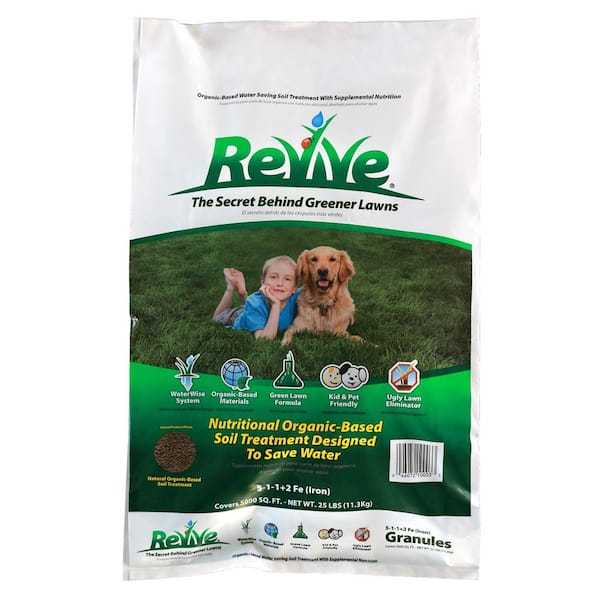
To revive your dying lawn naturally, start by aerating the soil to improve drainage, then use homemade compost and natural fertilizers like fish emulsion or compost tea to boost soil fertility. Regular watering, especially during dry spells, combined with overseeding bald patches with native grass seeds, can transform your yard back into a lush green space.
Reviving a lawn using natural remedies is an easy and eco-friendly way to bring back its lushness without harsh chemicals. By understanding the needs of your grass and using simple, natural solutions, you can restore your lawn’s health and beauty. In this article, we’ll explore practical tips like aeration, natural fertilization, and proper watering techniques that will help your lawn thrive again while being kind to the environment. Whether your yard is patchy, dull, or suffering from weeds, these natural methods will give you a vibrant, healthy lawn you can enjoy all year round.

How to Revive Lawn Using Natural Remedies
If your lawn looks dull, patchy, or lifeless, natural remedies can help bring it back to health. These methods are safe, eco-friendly, and often cost less than chemical treatments. By understanding the best practices, you can restore your grass and enjoy a lush, green yard.
Assessing the Condition of Your Lawn
Before applying any remedies, check your lawn’s specific problems. Look for yellow patches, thinning grass, or bare spots. Identifying issues like pests, weeds, or soil problems helps you choose the right approach.
Test your soil to determine its pH level and nutrient content. You can do this using a simple soil testing kit available at garden stores. Knowing your soil’s condition guides you in selecting amendments and treatments.
Natural Soil Enrichment
Healthy soil is the foundation for a thriving lawn. Organic matter such as compost or aged manure improves soil structure, increases fertility, and encourages beneficial microbes.
Adding compost enriches the soil with essential nutrients, making it easier for grass roots to absorb what they need. Spread a layer of compost evenly across your lawn and lightly rake it in.
Using Organic Fertilizers
Supplying nutrients organically boosts grass growth naturally. Fish emulsion, seaweed extract, and compost tea are excellent choices. These fertilizers release nutrients slowly, reducing the risk of burning the grass.
Apply organic fertilizers according to the instructions on the label, usually every four to six weeks during the growing season. They provide vital elements like nitrogen, phosphorus, and potassium without synthetic chemicals.
Watering Techniques for a Healthy Lawn
Proper watering is crucial for revival. Water deeply but infrequently to encourage deep root growth. Ideally, lawns should receive about one inch of water per week, including rainfall.
Water early in the morning to minimize evaporation and fungal issues. Use a sprinkler or soaker hoses to distribute moisture evenly across the entire lawn.
Natural Aeration Methods
Compacted soil can prevent roots from accessing air and nutrients. Aeration creates small holes that improve airflow and water penetration. Natural options include using a garden fork or DIY aerator spikes.
Drive the fork into the soil at regular intervals, creating holes about two to three inches deep. This simple step encourages healthy root development and aids in the absorption of nutrients.
Controlling Weeds Naturally
Weeds compete with grass for nutrients and water. Instead of chemical weed killers, try manual removal or natural suppression. Hand-pull weeds, especially before they seed, to prevent spread.
Applying a layer of mulch or corn gluten meal can inhibit weed growth. Corn gluten acts as a natural pre-emergent, preventing weed seeds from sprouting.
Pest Management with Natural Solutions
Insect pests like grubs and chinch bugs can damage your lawn. Use beneficial insects such as ladybugs or nematodes to control pests naturally.
Neem oil is another eco-friendly option. Spray diluted neem oil on affected areas to repel pests and prevent infestations without harming beneficial insects.
Overseeding for Thicker Grass
If your lawn has bare patches, overseeding with native grass varieties restores density. Use high-quality seed suited for your climate and soil type.
Prepare the soil by raking lightly, then spread the seed evenly. Keep the area moist until new grass is established, usually for two to three weeks.
Maintaining Lawn Health with Proper Mowing
Cutting your grass at the right height encourages strong roots and prevents disease. Keep mower blades sharp to avoid tearing grass blades.
Set the mower to a height of around two and a half to three inches and mow regularly, removing no more than one-third of the grass height at a time.
Dealing with Thatch Naturally
Thatch is a layer of dead grass and roots that can suffocate healthy grass growth. To reduce thatch naturally, use organic decomposers like compost or applying aeration techniques.
Adding organic amendments encourages microbes that break down thatch, making it easier to remove and promoting better soil health.
Utilizing Cover Crops for Soil Improvement
Planting cover crops such as clover or legumes can fix nitrogen in the soil naturally and improve overall soil quality. These plants also prevent erosion and suppress weeds.
After a season of growth, mow the cover crops into the soil, adding organic matter and nutrients back into the ground.
Seasonal Lawn Care Tips
Adjust your natural lawn care routine based on the season. In spring, focus on aeration and overseeding. Summer requires regular watering and pest control. Fall is ideal for compost application and soil testing.
Preparing your lawn for winter includes applying organic mulch and reducing mowing frequency to allow grass to strengthen over the cold months.
Preventive Measures for a Resilient Lawn
Consistent care prevents many problems. Avoid overwatering, which can cause fungal diseases, and never cut grass too short.
Monitoring your lawn regularly helps spot issues early, making it easier to address them with natural solutions before they worsen.
Using these natural remedies, you can create a lush, healthy lawn without relying on chemicals. Patience and regular care go a long way in maintaining a vibrant outdoor space that’s safe for family, pets, and the environment.
Frequently Asked Questions
How can compost be used to improve soil health and aid lawn revival?
Adding compost enriches the soil with essential nutrients and improves its structure. Spread a thin layer of compost evenly across your lawn, then gently rake it in. This process boosts microbial activity, enhances water retention, and encourages healthy grass growth, leading to a revitalized lawn over time.
What natural methods can help control weeds without harming the grass?
Manual removal remains the safest approach to weed control. For persistent weeds, create a natural weed killer using ingredients like vinegar or boiling water, and carefully apply it to targeted weeds. Regularly mowing at the correct height also prevents weed seeds from spreading, allowing your grass to thrive.
How does aeration contribute to lawns solely using natural techniques?
Aeration involves poking holes in the soil to reduce compaction and increase airflow. You can perform this naturally by using a garden fork or manual aerator to work through compacted areas. This process promotes better root growth, improves water absorption, and helps nutrients reach the grass roots more effectively.
Final Thoughts
Reviving your lawn using natural remedies is simple and effective. Start by aerating the soil to improve drainage and encourage healthy root growth. Use organic compost or grass clippings as natural fertilizers to boost nutrients.
Water your lawn early in the morning to prevent fungal issues. Regularly overseed bare patches to promote even grass coverage. These steps help your lawn recover healthily and naturally.
How to revive lawn using natural remedies becomes straightforward with consistent care and attention. With these methods, your lawn will flourish without relying on chemical solutions.