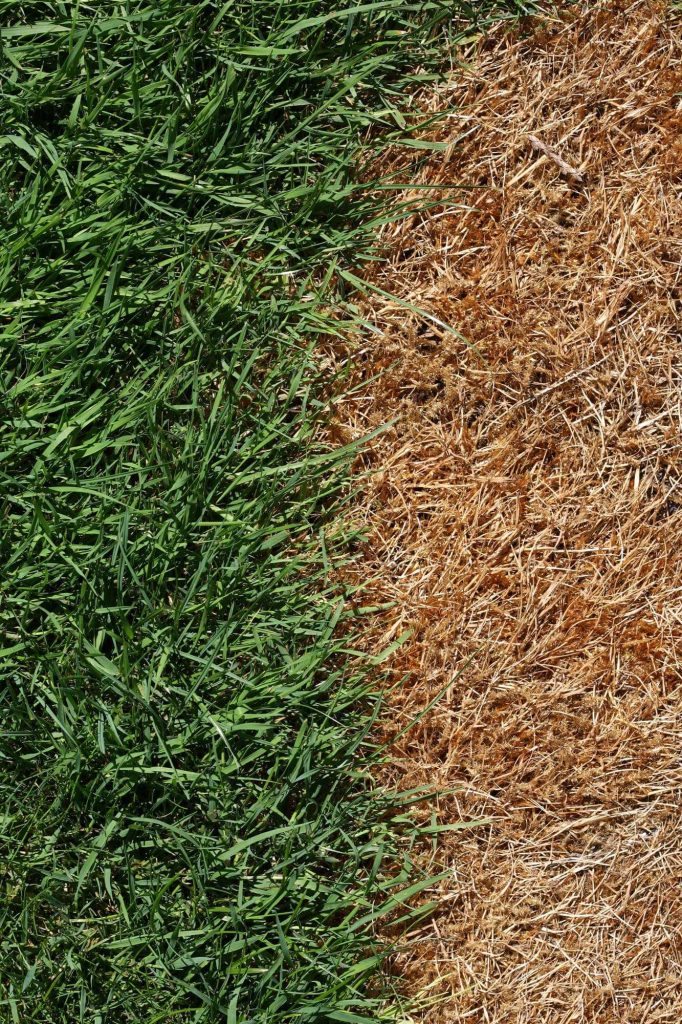
To fix burned grass caused by over-fertilizing, flush the area with plenty of water to dilute the excess nutrients, and trim the damaged spots to promote healthy regrowth. Applying a soil conditioner or compost can help restore nutrients gradually, while avoiding additional fertilizer until the grass recovers. With some patience and proper care, your lawn can bounce back from fertilizer mishaps.
Over-fertilizing can turn your lush lawn into a patchy, brown wasteland, leaving you frustrated and wondering how to restore its beauty. Luckily, fixing burned grass isn’t as daunting as it seems—by acting quickly, watering thoroughly, and giving your lawn some tender loving care, you can reverse the damage and get your grass looking healthy again. Understanding what caused the burn and taking targeted steps will help you prevent future mishaps and keep your yard vibrant all season. In this guide, we’ll walk through the simple yet effective ways to repair over-fertilized grass, so you can enjoy a verdant, thriving lawn once more.

How to fix burned grass from over fertilizing
Understanding Grass Burn from Over Fertilizing
Over fertilizing, often called fertilizer burn, happens when too much fertilizer is applied to your lawn. The excess nutrients can damage grass roots and leaves, causing brown patches and unhealthy grass. Recognizing the signs early helps in taking quick action to save your lawn.
Signs of Fertilizer Burn on Grass
You might notice the grass turning yellow or brown, especially at the tips or edges. The affected areas may feel dry, brittle, or straw-like. Sometimes, a white crust or salt residue appears on the soil surface, indicating excess fertilizer.
Why Over Fertilizing Causes Grass Damage
Fertilizer contains salts that draw water away from the grass roots. When too much is applied, it creates a salt buildup in the soil which inhibits the plant’s ability to absorb water and nutrients. This leads to dehydration and eventual grass death.
Immediate Steps to Take After Over Fertilizing
The first goal is to dilute and neutralize the excess nutrients. Water your lawn deeply to flush out the salts and prevent further damage. This process helps wash away the fertilizer, reducing its harmful effects on the grass.
How to Properly Water to Reduce Damage
Water the affected area with at least one to two inches of water as soon as possible. This helps leach the salts out of the soil and restores a better environment for grass roots. Repeated watering over several days may be necessary if the damage is extensive.
Assessing the Damage and Planning Recovery
After watering, observe how the grass responds over the next few days. Some areas may recover quickly, while others might need additional care. Understanding the extent of the damage guides your next steps.
Techniques to Repair Burned Grass
Several methods can help restore your lawn. These include reseeding damaged patches, aerating the soil, and applying proper fertilization moving forward. Combining these strategies ensures healthier grass growth.
Reseeding or Roping Damaged Areas
Remove dead grass to prepare the soil. Use high-quality grass seed suitable for your climate and soil conditions. Cover the seed lightly with soil or mulch to protect it from drying out and to improve germination.
Soil Aeration and its Benefits
Aeration involves perforating the soil with small holes, allowing water, nutrients, and air to reach the roots more effectively. It also helps break up compacted soil, which can be a contributing factor in fertilizer damage.
Adjusting Fertilizer Practices
To prevent future harm, adopt correct fertilization methods. Use the right type of fertilizer, apply it at recommended rates, and follow a proper schedule.
Choosing the Right Fertilizer
Select a fertilizer with a balanced ratio of nitrogen, phosphorus, and potassium suited for your grass type. Organic options can also be gentler and reduce the risk of burn.
Applying Fertilizer Correctly
Use a spreader for even application and follow the manufacturer’s instructions for quantity and timing. Avoid fertilizing before heavy rain to prevent runoff and salt buildup.
Natural Remedies to Support Grass Recovery
Certain home remedies can aid recovery without harsh chemicals. These include using compost tea, applying organic mulch, or balancing soil pH with amendments.
Using Compost Tea
Spray a diluted compost tea on the grass to introduce beneficial microbes. It helps improve soil health and encourages new grass growth.
Adding Organic Mulch
A light layer of mulch can retain moisture, regulate soil temperature, and provide nutrients as it decomposes. This supports newly germinating grass and stabilizes the soil environment.
Preventative Maintenance Tips
To safeguard your lawn from future fertilizer burn, follow best practices. This includes regular soil testing, proper watering, and strategic fertilizing.
Soil Testing for Nutrient Levels
Test your soil annually to understand its nutrient needs. This prevents over-application and helps tailor fertilization schedules.
Proper Lawn Watering
Water deeply but infrequently to promote deep roots and prevent salt buildup. Early morning watering is best to minimize evaporation.
Timing and Frequency of Fertilization
Apply fertilizer during active growing seasons and avoid overdoing it. Stick to recommended amounts and avoid fertilizing during droughts or extreme heat.
Related Topics to Consider
Maintaining a healthy lawn involves more than just fertilization. Consider aerating annually, overseeding to promote thick turf, and controlling pests and weeds that can stress grass.
Benefits of Regular Lawn Maintenance
Consistent care improves soil health, enhances grass resilience, and reduces the risk of fertilizer damage. A healthy lawn also resists pests and diseases better.
Choosing the Right Grass for Your Climate
Select grass varieties suited for your local climate and soil conditions. Proper grass choice leads to stronger, more resilient turf.
Understanding Soil pH and Its Impact
Test and adjust soil pH to optimize nutrient availability. Most grasses prefer slightly acidic to neutral soil (pH 6.0 to 7.0).
Summary of Key Actions to Fix Burned Grass
Remember, begin by watering thoroughly to flush out excess fertilizer. Remove dead patches, reseed, and consider aeration to improve soil health. Adjust your fertilization schedule based on soil test results and adopt preventative practices to protect your lawn.
Protecting your lawn from fertilizer burn requires patience and proper care. By promptly addressing damage and adopting good habits, you can restore your grass to health and prevent future problems.
Frequently Asked Questions
What steps can I take to help grass recover after over-fertilizing?
Begin by watering the affected area thoroughly to dilute the excess nutrients and rinse away salts that may be damaging the grass. Allow the soil to drain and avoid applying any additional fertilizers until the grass shows signs of recovery. Mowing the grass at a higher setting can also help reduce stress and promote healthier growth. Monitor the area regularly and ensure proper watering to support the healing process.
Are there specific treatments to reverse fertilizer burn on grass?
Yes, actively watering the affected areas helps flush out the excess fertilizer salts. In some cases, applying a soil conditioner or gypsum can improve soil drainage and reduce toxicity. Avoid fertilizing again until the grass has recovered fully. If the damage is extensive, consider aerating the soil to enhance water penetration and reduce compaction, which can facilitate faster recovery.
How long does it typically take for burned grass from over-fertilizing to heal?
The recovery time varies depending on the severity of the burn and the grass type. Usually, you can see noticeable improvement within one to two weeks if you take prompt action. Consistent watering and proper maintenance will support faster healing. In severely damaged areas, it might take several weeks or even a full growing season to restore the healthy appearance of the lawn.
Can reseeding help restore over-fertilized patches of grass?
Reseeding can effectively restore areas that have suffered severe damage. First, remove dead or heavily damaged grass, then loosen the soil and apply new seed suitable for your grass type. Keep the area consistently moist until the new grass establishes. Combining reseeding with proper watering and fertilization practices can lead to a healthier, more even lawn.
What practices should I avoid to prevent future fertilizer burns?
Avoid overapplying fertilizer and always follow the manufacturer’s instructions regarding amount and application frequency. Do not fertilize during hot, dry periods, as this can increase the risk of burns. Ensure thorough watering after applying fertilizer to help distribute nutrients evenly and prevent salt buildup. Regularly test your soil to determine its nutrient levels and adjust your fertilization plan accordingly.
Final Thoughts
Pour réparer la pelouse brûlée par une sur-fertilisation, rincez abondamment la zone à l’eau pour éliminer l’excès d’engrais. Ensuite, évitez d’ajouter du fertilisant pendant plusieurs semaines pour permettre au sol de se rétablir. Surveillez la croissance de l’herbe et arrosez régulièrement pour encourager la récupération.
En protégeant votre pelouse, vous éviterez que la sur-fertilisation ne cause des dégâts durables. Comment réparer la pelouse brûlée par une sur-fertilisation ? Concentrez-vous sur un entretien vigilant et un arrosage fréquent. Cela aidera votre gazon à retrouver sa vigueur et sa santé rapidement.