Quick Answer: Reseeding a lawn with crabgrass requires a systematic approach to eliminate the existing crabgrass while promoting healthy grass growth. By using a combination of manual removal, herbicides, and proper lawn care techniques, you can effectively reseed your lawn and prevent future crabgrass infestations.
Introduction:
Are you tired of looking at your lawn overrun with crabgrass? Don’t worry, we’ve got you covered! Reseeding your lawn with crabgrass can seem like a daunting task, but with the right approach, you can transform your lawn into a lush green paradise.
Crabgrass, known for its aggressive growth and unsightly appearance, is a common problem for many homeowners. Luckily, getting rid of crabgrass and reseeding your lawn is not as difficult as it may seem. In this article, we will walk you through a step-by-step process on how to reseed a lawn with crabgrass, giving you the knowledge and confidence to tackle this issue head-on.
Before we delve into the details, let’s take a quick look at the solution. The key to successfully reseeding a lawn with crabgrass lies in a three-pronged approach: removing the existing crabgrass, using herbicides, and implementing proper lawn care techniques. So, let’s roll up our sleeves and get started on transforming your lawn into a crabgrass-free oasis!

How to Reseed a Lawn with Crabgrass
Understanding Crabgrass
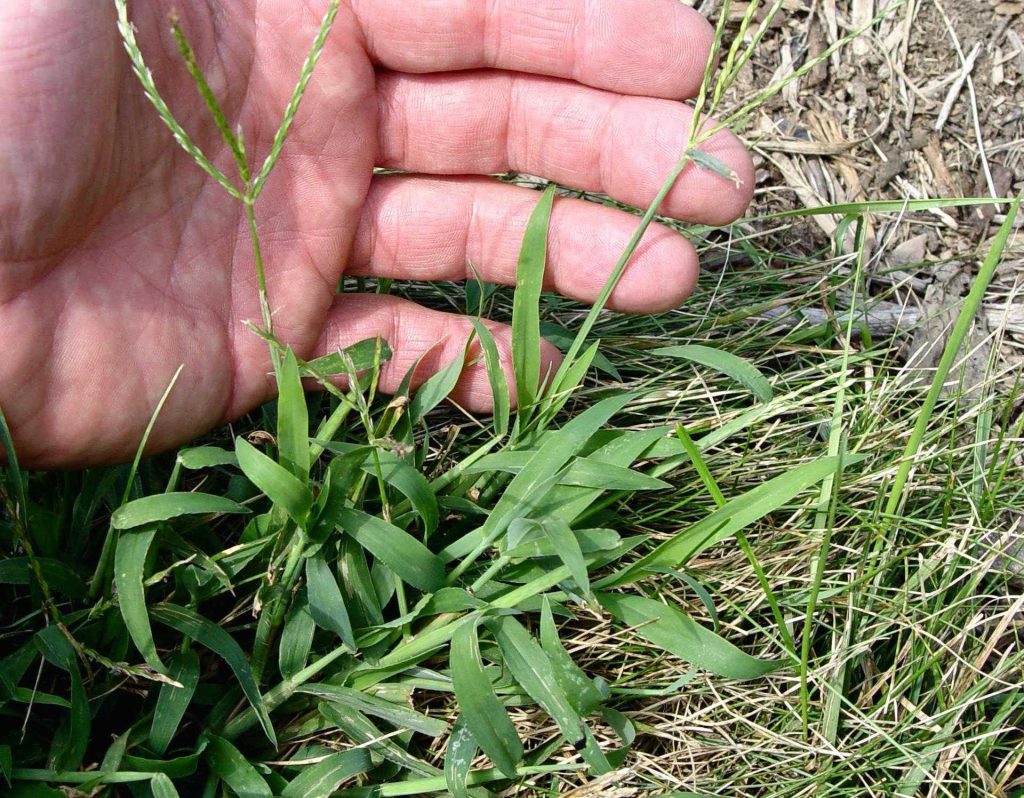
Before discussing how to reseed a lawn with crabgrass, it’s important to understand what crabgrass is and why it can be a nuisance. Crabgrass is a common weed that can quickly invade lawns, especially in warmer climates. It spreads through thousands of seeds that can lie dormant in the soil for years, germinating when conditions are favorable. Once crabgrass takes hold, it can quickly overtake your lawn, competing with your desired grass and creating an unsightly mess.
Assessing the Extent of the Problem
Before you start the process of reseeding, it’s crucial to assess the extent of the crabgrass problem in your lawn. This will help you determine the best approach and the amount of time and effort required. Here are some steps to help you assess the situation:
- Survey your lawn: Walk around your entire lawn and visually inspect the areas affected by crabgrass. Take note of the size and density of the crabgrass patches.
- Check for crabgrass seeds: Consider taking a soil sample to test for the presence of crabgrass seeds. This will give you a better understanding of the potential for future crabgrass growth.
- Identify contributing factors: Look for common factors that contribute to crabgrass growth, such as compacted soil, thin turf, poor drainage, or excessive thatch. Addressing these issues will prevent future crabgrass infestation.
Preparing Your Lawn for Reseeding
Before you reseed your lawn, it’s essential to prepare it properly. This will create an environment where your new grass can thrive while minimizing the chances of crabgrass regrowth. Follow these steps to prepare your lawn:
1. Remove existing crabgrass
- Hand pulling: If you have only a few spots of crabgrass, you can hand pull them. Ensure you remove the entire plant, including the root.
- Chemical treatment: For larger infestations, consider using an herbicide specifically designed to target crabgrass. Follow the instructions carefully to avoid damaging your desired grass.
2. Perform a thorough lawn cleanup
- Rake away debris: Remove any fallen leaves, sticks, or excess thatch from your lawn. This will promote better seed-to-soil contact and increase the chances of successful reseeding.
- Mow your lawn: Cut your grass shorter than usual, around 1 to 1.5 inches. This will expose more soil, making it easier for the new seed to establish itself.
- Aerate the soil: If your soil is compacted, consider aerating it to improve drainage and loosen the soil. This will provide a healthier environment for your new grass to grow.
Reseeding Your Lawn
Once you’ve prepared your lawn, it’s time to reseed. Follow these steps for successful reseeding:
1. Select the right grass seed
- Choose quality seed: Look for a grass seed blend that suits your climate and the conditions of your lawn. Consider factors like sun exposure, soil type, and foot traffic when making your selection.
- Crabgrass-resistant varieties: Some grass varieties have natural resistance to crabgrass. Opting for these can help reduce the likelihood of future crabgrass infestations.
2. Apply the seed
- Spread evenly: Use a spreader to ensure even distribution of the seed. Follow the recommended seeding rate on the packaging for your specific grass seed.
- Overseed thin areas: If you have thin or bare spots, overseed them to promote a thicker, more uniform lawn.
3. Cover the seed
- Rake lightly: Use a rake to lightly work the seed into the soil. This will improve seed-to-soil contact without burying the seed too deeply.
- Apply a thin layer of mulch: Consider covering the newly seeded areas with a thin layer of straw or compost to retain moisture and protect the seed from birds or wind.
4. Water and nourish
- Keep the soil consistently moist: Water the newly seeded areas regularly, keeping the soil consistently moist until the seed germinates and the grass establishes itself.
- Apply a starter fertilizer: After seeding, apply a high-phosphorus starter fertilizer to promote root development and overall growth.
Maintaining Your Reseeded Lawn
To ensure the success of your reseeding efforts and prevent future crabgrass infestations, proper maintenance is key. Follow these tips to maintain a healthy and crabgrass-free lawn:
- Mow at the right height: Set your mower blade to the appropriate height for your grass variety and aim to remove no more than one-third of the grass blade with each mowing. This will discourage crabgrass growth and promote healthy turf.
- Deep and infrequent watering: Water deeply and less frequently to encourage deep root growth and make your lawn less favorable for crabgrass.
- Control weeds: Regularly inspect your lawn for any signs of crabgrass or other weeds. If you spot any, remove them promptly to prevent them from spreading.
- Fertilize properly: Apply a balanced fertilizer according to your grass’s specific needs, following the recommended timings. Avoid excessive nitrogen, as this can promote crabgrass growth.
- Avoid scalping: Keep your lawn at a consistent height and avoid scalping, as this can stress the grass and create opportunities for crabgrass invasion.
By following these steps and maintaining a consistent lawn care routine, you can effectively reseed your lawn, while minimizing the chances of crabgrass returning. Remember, prevention is key, so address any underlying issues and maintain proper lawn care practices to keep your lawn healthy and crabgrass-free.
How to – Plant grass seed to stop crabgrass
Frequently Asked Questions
1. How can I reseed my lawn to get rid of crabgrass?
To reseed your lawn and eliminate crabgrass, you can follow these steps:
– Start by removing all the existing crabgrass from your lawn. This can be done manually by pulling them out or using a herbicide specifically designed for crabgrass control.
– Next, prepare the soil by loosening it with a rake or a tiller. This will help the new grass seeds to establish strong roots.
– Choose a high-quality grass seed that is suitable for your climate and soil type. Read the instructions on the seed packaging to determine the recommended seeding rate.
– Apply the grass seed evenly across the lawn using a spreader or by hand. It is advisable to overseed the area to ensure good coverage.
– Gently rake the seeds into the soil to ensure good soil-to-seed contact.
– Water the newly seeded area regularly, keeping the soil consistently moist. Avoid overwatering, as it can wash away the seeds.
– Follow the recommended mowing and fertilizing practices for your chosen grass type to promote healthy growth and prevent further weed infestation.
2. When is the best time to reseed a lawn affected by crabgrass?
The ideal time to reseed a lawn affected by crabgrass is typically in late summer or early fall. During this time, the soil is still warm, allowing the grass seeds to germinate and establish strong root systems before winter. It is important to reseed well before the first frost to give the new grass enough time to develop.
3. Can I use a crabgrass preventer and reseed my lawn at the same time?
Using a crabgrass preventer and reseeding your lawn simultaneously can be challenging. Most crabgrass preventers work by creating a barrier on the soil surface that hinders the germination of weed seeds, including grass seeds. Therefore, it is recommended to wait for at least eight weeks after applying a crabgrass preventer before reseeding. Alternatively, you can manually remove the existing crabgrass, apply the preventer, wait the recommended period, and then proceed with reseeding.
4. How long does it take for the new grass to grow after reseeding?
The time it takes for new grass to grow after reseeding can vary depending on several factors such as grass type, weather conditions, and proper care. Generally, you can expect to see some growth within one to two weeks. However, it may take several weeks for the grass to become fully established and achieve a uniform appearance.
5. Should I use a starter fertilizer when reseeding my lawn with crabgrass?
Using a starter fertilizer when reseeding your lawn can be beneficial. Starter fertilizers are specifically formulated to provide the essential nutrients needed for seed germination and establishment. They often contain higher levels of phosphorus, which promotes root development. Follow the manufacturer’s instructions for application rates and timing.
Final Thoughts
Reseeding a lawn with crabgrass can be a daunting task, but with the right approach, you can achieve a healthy and crabgrass-free lawn. Start by removing the existing crabgrass and preparing the soil. Ensure that you choose high-quality grass seed that is suitable for your region. Spread the seed evenly over the lawn and water it regularly to keep the soil moist. Maintain proper lawn care practices, such as regular mowing and fertilizing, to help the new grass grow strong. With patience and consistent effort, you can successfully reseed your lawn with crabgrass and enjoy a lush, green landscape.