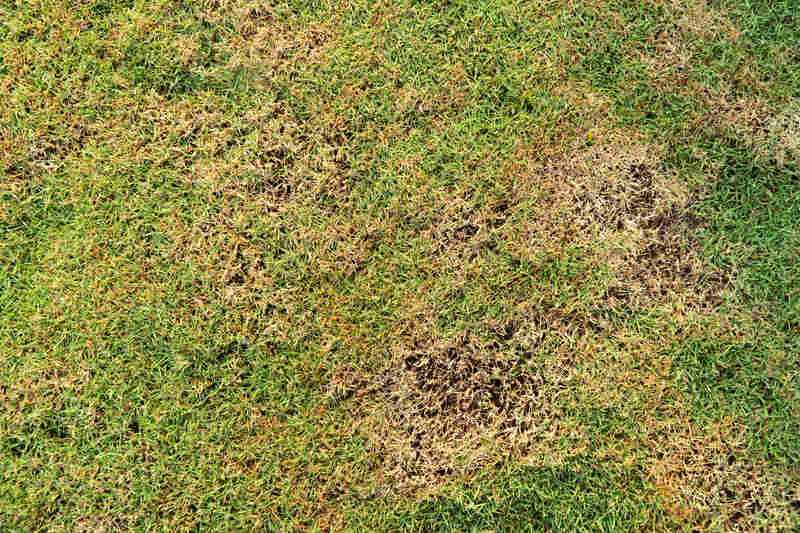
Looking to revive your tired, winter-battered lawn? Don’t worry—rescuing your grass is easier than you think! The key is to assess the damage, remove dead patches, and give your lawn the right nutrients and care it needs to bounce back. With some simple steps, you can have a lush, green yard ready for spring in no time.
To repair your lawn after winter damage, start by raking to remove debris and dead grass, then overseed bare patches to encourage new growth. Fertilize with a balanced lawn feed, and ensure proper watering to promote healthy recovery. Taking these quick steps can rejuvenate your lawn and restore its beauty.
Winter can be tough on lawns, leaving them patchy, brown, or covered in debris. As the snow melts, it’s the perfect time to assess the damage and start repairing your outdoor space. A healthy lawn not only boosts curb appeal but also creates a welcoming environment for outdoor activities. The repair process involves cleaning up the mess, seeding bare areas, fertilizing, and providing consistent watering to help your grass recover and thrive once again. Acting promptly and with patience will ensure your lawn looks stunning, even after the harshest of winters.

How to Repair Lawn After Winter Damage
Understanding Winter Damage to Your Lawn
Winter can be tough on lawns, especially in colder climates. Snow and ice can suffocate grass if it stays for too long. Cold temperatures may also cause grass to turn brown or die in patches. Additionally, freeze-thaw cycles can create uneven soil and root damage. Knowing what winter damage looks like helps you plan the right repair steps. Common signs include brown patches, thinning grass, and compacted soil. Identifying these issues early can save you time and effort later.
Assessing Your Lawn’s Condition
Before starting repairs, walk across your lawn to examine the damage. Look for areas where the grass has turned brown or looks sparse. Check for signs of soil compaction or moss growth. Use a small rake to gently loosen the soil if it feels hard. Take note of patches with uneven grass height or bare spots. This assessment helps determine whether your lawn needs simple overseeding or full renovation.
Cleaning and Preparing the Lawn
Start by removing any debris like fallen leaves, branches, or matted grass. Clear dead grass and thatch that may be covering healthy growth. Raking helps loosen compacted soil and lifts matted grass. Aerating the lawn improves soil drainage and encourages root growth. Aeration involves making small holes in the ground with a spike or plug aerator. This step prepares the soil to better absorb water, nutrients, and air.
Addressing Soil Compaction
Soil compaction is common after winter, especially under heavy snow or ice. Use a garden fork or aerator to create openings in compacted areas. This process allows air, water, and nutrients to reach the roots. If your lawn is heavily compacted, consider applying organic matter like compost. Spread a thin layer of compost over the soil, then gently work it in with a rake. This helps improve soil health and stimulates healthy root growth.
Reseeding to Fill Bare Patches
Bare spots from winter damage require reseeding to restore lush growth. Select a grass seed that matches your existing lawn type for uniformity. Prepare the soil by loosening it with a rake and removing any remaining dead grass. Spread the seed evenly over the area using a seed spreader or hand. Lightly press the seed into the soil with a roller or by walking over it. Water regularly to keep the soil moist and encourage germination.
Choosing the Right Grass Seed
Picking the correct seed is crucial for successful repair. Consider your climate, sunlight, and soil type when choosing grass. Cool-season grasses like Kentucky bluegrass, fescue, and ryegrass thrive in colder months. Warm-season grasses like Bermuda or zoysia are better for warmer climates. Consult with local garden centers to find the best seed for your area and specific lawn conditions.
Overseeding and Patch Repair
For lawns with multiple damaged patches, overseeding is highly effective. Spread seed over the entire lawn or focus on affected areas. To improve seed-to-soil contact, lightly rake the area after spreading seed. Cover the seeded patches with a thin layer of mulch like straw or peat moss to retain moisture. Water lightly and frequently until the new grass establishes. This method ensures even growth and fills in thinning areas.
Fertilizing to Promote Growth
Feeding your lawn after winter helps boost recovery and encourages strong growth. Use a balanced fertilizer rich in nitrogen, phosphorus, and potassium. Apply fertilizer evenly according to package instructions, ideally after the soil has warmed up slightly. Avoid over-fertilizing, which can lead to excessive leaf growth at the expense of roots. A light fertilization schedule over the first few weeks supports healthy, new grass.
Watering Techniques for Recovery
Proper watering is key to repairing winter-damaged lawns. Water deeply but infrequently to encourage deep root growth. Keep the soil consistently moist, especially during germination and initial growth stages. Early morning watering minimizes disease risk. Avoid overwatering, which can lead to fungal problems. Use a rain gauge or soil moisture meter to maintain optimal moisture levels.
Controlling Pest and Disease Problems
Winter damage can weaken your lawn and make it more susceptible to pests and diseases. Regularly inspect your grass for signs of pests such as grubs or chinch bugs. Apply appropriate pesticides if necessary, following all safety guidelines. Keep an eye out for fungal infections like brown patch or snow mold, which thrive in damp conditions. Use fungicides if needed, and avoid mowing wet grass to prevent spreading infections.
Preventing Future Winter Damage
To protect your lawn from future winter harm, consider preventive measures. Aerate your lawn annually to reduce soil compaction. Improve drainage by grading your yard away from affected areas. Reseed with hardy grass varieties suited for winter conditions. Applying a winter fertilizer can also strengthen your grass before heavy snowfalls. Cover vulnerable areas with mulch or snow fencing to reduce ice buildup.
Maintaining a Healthy Lawn Year-Round
Consistent lawn care keeps your grass resilient against winter and other stressors. Mow at the appropriate height for your grass type to promote healthy growth. Regularly water, fertilize, and aerate to keep the soil healthy. Remove weeds promptly to prevent competition. Proper maintenance builds a strong, lush lawn that recovers quickly from seasonal challenges.
Related Topics to Consider
- Best Lawn Care Practices for Every Season: Tips for maintaining your lawn throughout the year.
- How to Use Lawn Fertilizer Effectively: Strategies for optimal nutrient absorption.
- Spring Lawn Renovation Tips: Preparing your lawn for the warmer months.
- Dealing with Lawn Pests and Diseases: Prevention and treatment methods.
- Choosing the Right Grass for Your Climate: Selecting species that thrive locally.
This thorough approach to repairing your lawn after winter damage ensures you can restore its beauty and health. Regular care, combined with timely repairs, will lead to a vibrant, green yard you can enjoy all year round.
Frequently Asked Questions
What steps should I take to assess the damage caused by winter on my lawn?
Start by inspecting your lawn thoroughly once the snow melts. Look for brown patches, uneven growth, or areas where the grass has died back. Identify sections that are compacted or have excessive thatch. Take note of any signs of disease or pests. This initial assessment helps you determine the extent of damage and guides your repair plan.
How can I encourage new growth after winter damage?
Apply a balanced fertilizer to provide essential nutrients that stimulate healthy new growth. Aerate compacted soil to improve oxygen and water penetration. Reseed bare or thin patches with appropriate grass seed, ensuring good seed-to-soil contact. Regular watering and proper mowing also support vigorous recovery and development of thick, lush grass.
What soil treatments are effective for repairing winter-damaged lawns?
Test your soil to identify nutrient deficiencies or pH imbalances. Add soil conditioners like compost or organic matter to enhance soil fertility and structure. If the soil is compacted, consider aeration to loosen it. Applying organic topdressings can also improve soil health, creating a better environment for grass roots to grow back stronger.
When should I reseed or overseed my lawn after winter?
Wait until the soil warms to at least 50°F (10°C) consistently, usually in early spring. Before seeding, remove any dead grass and debris to ensure good seed-to-soil contact. Overseeding helps fill in thin areas and promotes a dense turf, which resists future damage and weeds. Regular watering during germination encourages strong, healthy grass development.
How can I prevent future damage to my lawn during winter?
Apply winter-proofing practices like aerating the soil in fall to reduce compaction and improve drainage. Reseed problem areas before winter sets in to establish a strong root system. Keep your lawn healthy through proper fertilization and mowing practices. Additionally, avoid walking on frozen or snow-covered grass to prevent further stress and damage.
Final Thoughts
To repair lawn after winter damage, start by raking away dead grass and debris to reveal healthy soil. Aerate the soil to improve air circulation and promote new grass growth. Apply overseeding with fresh grass seed to fill in bare or thin patches. Water the lawn consistently to encourage strong root development and fast recovery. By following these steps, you can restore a lush, healthy lawn after winter damage.