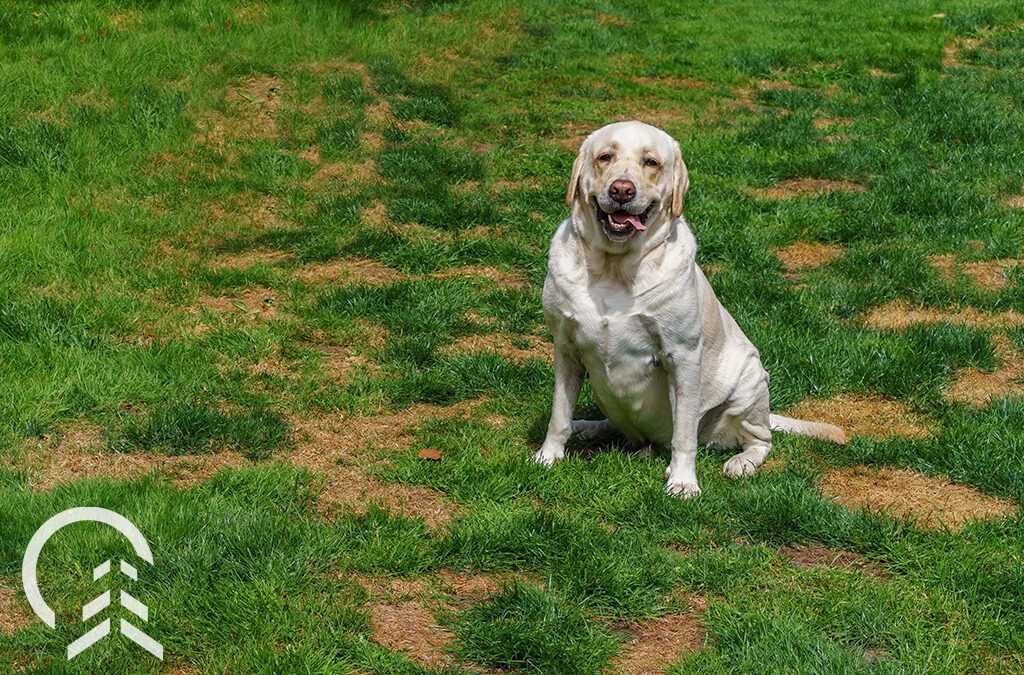
To repair lawn damage caused by pets quickly and effectively, start by identifying the extent of the damage and removing any torn or dead grass. Reseed or lay new sod in the affected areas, and use compost or topsoil to promote healthy growth. Regularly watering and limiting pet access during recovery help ensure a lush, healthy lawn once again.
If your pet has turned parts of your yard into a muddy, patchy mess, don’t worry! Repairing pet-damaged lawns is straightforward when you know the right steps. From assessing the damage to reseeding and protecting the new grass, a little effort goes a long way in restoring your yard’s beauty. With patience and consistent care, your lawn can bounce back, even after furry friends have had their fun.

How do I repair lawn damage after pets
Understanding the Types of Damage
Lawn damage caused by pets can vary from brown patches to bald spots and uneven ground. It’s important to identify the type of damage before starting repairs. Common issues include urine burns, digging holes, and overgrown or torn grass.
Urine burns often create yellow or brown patches where the grass has been affected by high nitrogen levels. Digging and pawing results in holes, ruts, and uneven surfaces, which can make your lawn look patchy. Understanding these problems will help you select the right repair methods.
Assessing the Extent of Damage
Walk around your lawn and note all areas showing signs of damage. Check for patches that are dead or sparse, and measure how large they are. This assessment will help determine whether you can fix the lawn with simple overseeding or if larger turf replacement is needed.
For small patches, reseeding might work well. Larger areas may require more intensive repairs like sod replacement or soil remediation. Take photographs if needed to compare progress as you repair.
Cleaning and Preparing the Damaged Areas
Start by removing any dead grass, debris, or pet waste from the damaged zones. Use a rake to loosen compacted soil and create a good soil-to-seed contact. Proper preparation ensures better seed germination and healthy grass growth.
If there are holes or uneven patches, fill them with topsoil and firm it down. Level the surface to match the surrounding lawn. Good preparation is key to making repairs last longer and look natural.
Choosing the Right Repair Method
Different types of repair methods are suited for various damage types and sizes. The main options include overseeding, sodding, and patching with soil. Select the method that fits your lawn’s condition and your budget.
For small patches, overseeding is quick and affordable. Larger damaged areas might need sod to give instant results. For severe damage, consider soil replacement or adding organic matter to improve soil health.
Reseeding for Small Patches
Reseeding is an effective way to fill small bald spots or thin areas. First, loosen the soil with a rake, then spread a layer of grass seed evenly across the area. Lightly press the seed into the soil and water regularly.
Choose grass seed that matches your existing lawn type for a seamless appearance. Keep the area moist until the new grass is established, which usually takes a few weeks.
Sodding for Larger Areas
Sod provides an instant lawn fix for large damaged patches. Select sod strips that match your current grass type or color. Cut the sod to fit the area and press firmly into the prepared soil.
Water thoroughly after laying the sod and keep it moist for at least two weeks. Avoid heavy foot traffic during this period to give the sod time to root properly.
Repairing with Topsoil and Grass Seed
If the soil is compacted or poor quality, add a layer of good-quality topsoil before overseeding or sodding. This improves soil nutrients and promotes healthy grass growth.
Mixing in organic compost can increase soil fertility and moisture retention. Cover the seed lightly with soil and water gently to prevent washing away.
Controlling Pet Access During Repair
Keep pets off repaired areas until new grass is established to prevent further damage. Use temporary barriers like fencing or mulch around the repair zones. This will help the new grass root firmly without disturbance.
Train your pets to use designated areas for potty breaks, which can reduce future lawn damage. Consistent training is essential for maintaining a healthy and undamaged lawn.
Preventing Future Lawn Damage
Prevention is better than repair. You can apply lawn treatments to make your grass more resistant to pet damage. Aerating and fertilizing regularly helps maintain healthy turf that stands up better to pet activity.
Designating specific potty areas using gravel, mulch, or artificial turf can protect your main lawn. Consistent watering and proper lawn care also keep your grass lush and resilient.
Dealing with Urine Damage
Urine burns can be minimized by watering spots immediately after your pet urinates. This dilutes the nitrogen and prevents the grass from getting burned. Training pets to urinate in specific areas can also reduce overall damage.
Applying products like lime or gypsum can neutralize soil acidity caused by pet urine. Regular lawn testing helps monitor soil health and guides appropriate treatments.
Addressing Digging and Ripping Damage
Puppies and dogs often dig out of boredom or excitement. Installing a designated digging area with sand or loose soil can redirect their energy. Filling in holes and leveling the ground once they’ve finished digging helps maintain a smooth lawn surface.
Consider using barriers or landscaping fabric to discourage further digging. Providing ample mental and physical stimulation for your pets reduces destructive behaviors.
Using Lawn Repair Products and Organic Solutions
Numerous products can help repair and strengthen your lawn. Organic fertilizers feed your grass naturally, encouraging deep root growth. Soil conditioners improve drainage and aeration, aiding recovery.
Selecting eco-friendly pesticides and weed control options ensures your lawn remains healthy and safe for pets. Always follow the manufacturer’s instructions for best results.
Maintaining a Healthy Lawn Post-Repair
Consistent watering and mowing help keep your lawn vigorous. Fertilize your grass at appropriate intervals to promote growth and repair. Remove weeds promptly to prevent competition for nutrients.
Regularly aerate your lawn to improve airflow and water absorption. A healthy, thick lawn is less susceptible to damage and easier to repair when needed.
Related Topics for Lawn Care and Pet Safety
– Best grass types for pet-friendly lawns
– Safe lawn fertilizers for homes with pets
– How to train pets to avoid certain lawn areas
– Organic remedies for lawn pests and weeds
– Seasonal lawn maintenance tips
Addressing lawn damage caused by pets requires a mix of quick repairs and ongoing prevention. By understanding the types of damage and applying suitable techniques, you can restore and even improve your lawn’s appearance. With patience and proper care, your yard can be a safe, healthy space for both family and pets.
Fastest way to repair dog pee stains on any lawn
Frequently Asked Questions
What steps can I take to revive my lawn after pet urine damage?
Start by watering the affected areas thoroughly to dilute the urine and prevent further damage. Next, remove any dead or scorched grass using a rake or shovel. Overseed the damaged spots with new grass seed suited to your lawn type, and keep the soil moist until the new grass establishes. Applying a lawn repair mix or topsoil can also help improve the soil quality and promote healthy growth.
How can I prevent pets from causing future damage to my lawn?
Designate specific areas where pets can play and urinate, perhaps with gravel or mulch to minimize grass damage. Train your pets to use these designated zones consistently. Providing ample shade and water sources can reduce their urge to urinate frequently in the same spots. Regular lawn maintenance and watering also strengthen the grass, making it more resistant to pet-related stress.
Is it necessary to replace the entire lawn after pet damage, or can I repair it locally?
Often, you can repair damaged sections without replacing the entire lawn. Focus on overseeding or patching only the affected areas. Use high-quality seed and prepare the soil properly to ensure good seed-to-soil contact. However, if the damage is widespread and the grass no longer recovers despite repairs, consider replanting larger sections or laying new sod to restore a uniform appearance.
What fertilizers or treatments can help restore my lawn after pet damage?
Apply a balanced fertilizer to promote healthy grass growth and repair. Organic options, like compost or seaweed extract, can improve soil health and resilience. Some lawn repair products contain quick-acting nutrients and soil amendments designed to support regeneration. Always follow application instructions carefully to avoid overfeeding, which could stress the new grass or soil.
Final Thoughts
To repair lawn damage after pets, start by removing any debris and loose soil. Reseed the bare patches with grass suited to your climate and water regularly. Applying compost or topsoil helps the new grass establish quickly.
Fertilize the area to boost growth and prevent future damage. Train pets to use designated areas to protect your lawn. Consistent maintenance keeps your yard healthy and resilient.
In conclusion, how do I repair lawn damage after pets? Focus on reseeding, fertilizing, and training your pets. These steps will restore your lawn and keep it looking great.