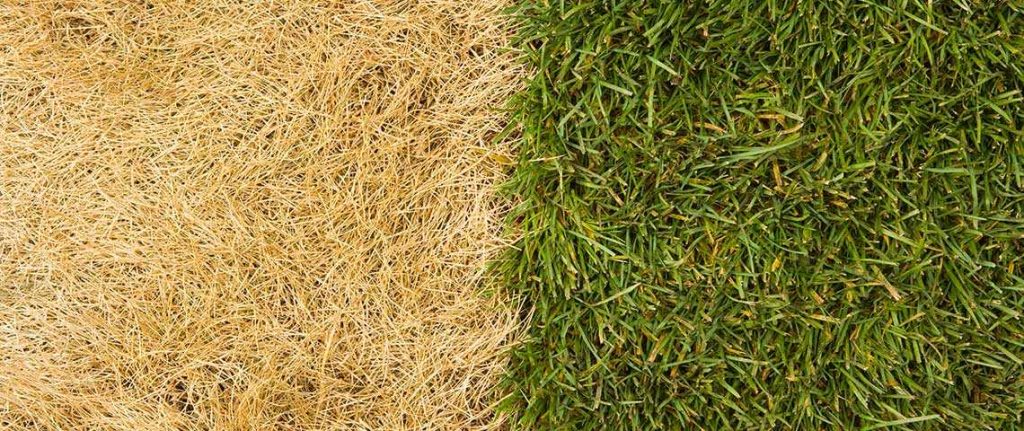
Yes, you can often revive dead grass without replacing it, especially if the damage isn’t too severe. With some targeted care, proper watering, and fertilization, you might bring your lawn back to life and avoid the hassle of patching or replanting.
Dead grass can sometimes be salvaged, but it depends on the extent of the damage. If the roots are still alive and the grass isn’t too far gone, simple recovery techniques like aeration, overseeding, and adjusting watering habits can help restore your lawn. Replacing grass should be a last resort, as many issues causing dead patches are fixable with the right approach. Acting quickly and understanding the root causes can save you time and money, turning your brown, patchy lawn into a lush, green oasis once again.
When your lawn starts to turn brown and lifeless, it’s natural to wonder if you can bring it back without ripping it all up and starting fresh. Sometimes, dead grass isn’t completely beyond saving; it might just need some extra care and attention. Often, problems such as drought, poor soil, pests, or over-fertilization cause patches of dead grass, but these issues can usually be remedied with proper lawn maintenance. The key is diagnosing the root cause and applying targeted solutions like watering properly, aerating compacted soil, or overseeding. By acting promptly and understanding your lawn’s needs, you can often restore distressed areas without the need for complete replacement—saving you time, effort, and money while getting your yard back to its healthy, vibrant state.

Can You Fix Dead Grass Without Replacing It?
Understanding Why Grass Turns Dead
Before trying to revive dead grass, it is important to understand why it turned brown or died. Common causes include drought, overwatering, pest damage, or soil compaction. Knowing the cause helps determine the best method for fixing it without full replacement.
Most grass turns dead because it isn’t getting the right amount of water, nutrients, or sunlight. Sometimes, weeds or pests can also weaken the grass, leading to dead patches. Identifying these issues early can save you time and effort in fixing your lawn.
Assessing the Damage
The first step is to check how much of your grass is dead. Light browning may be reversible, while completely brown or matted patches might be beyond repair. Use a soil probe or small shovel to examine the roots and soil underneath.
If roots are brown and mushy, it indicates root rot or disease, making repair more challenging. If roots are still green and firm, chances are good that you can revive the grass with proper care. This initial assessment guides your next steps.
Reviving Dead Grass: Can It Be Done?
Many times, dead grass isn’t truly gone. It may simply be dormant or severely stressed. You can try various methods to revive it, especially if the damage is recent. These include watering, aeration, and overseeding. But for completely dead patches, replacing the grass may be necessary.
Reviving dead grass involves revitalizing the root system and improving soil conditions. It’s an affordable alternative to full lawn replacement and can restore your yard’s appearance with some effort.
Steps to Fix Dead Grass Without Replacing It
1. Improve Watering Practices
Proper watering is crucial for recovering stressed grass. Water deeply and infrequently to encourage deep root growth. Generally, lawns need about 1 to 1.5 inches of water weekly, depending on the climate.
Avoid overwatering, which can drown roots, or underwatering, which causes dehydration. Use a rain gauge or a simple container to monitor how much water your lawn receives.
2. Aerate the Soil
Compacted soil prevents air, water, and nutrients from reaching grassroots. Aeration involves poking small holes in your lawn with a spike or core aerator. This improves drainage and helps roots breathe better.
Aerate during the growing season for best results, usually in spring or fall. It’s especially helpful in high-traffic areas or clay-heavy soils.
3. Fertilize Appropriately
Feeding your lawn with the right fertilizer boosts root growth and overall health. Use a balanced, slow-release fertilizer suitable for your grass type. Follow the instructions carefully to avoid overfeeding.
Applying fertilizer in spring or early fall can give your grass the nutrients it needs to recover. Avoid fertilizing during the hottest months to prevent stress.
4. Overseed the Affected Areas
If patches are thin or patchy, overseeding can fill in bare spots. Choose a grass seed that matches your existing lawn for seamless growth. Spread seed evenly and lightly rake the area to help seed make contact with soil.
Keep the soil moist and avoid mowing until new grass is established. Overseeding is a cost-effective way to refresh your lawn without full replacement.
Managing Disease and Pest Issues
Dead patches can be caused by disease or pests. Inspect your lawn closely for signs of fungus, insects, or other problems. Treat infected areas with appropriate fungicides or insecticides.
Proper lawn maintenance, such as removing debris and thatch, prevents many pest and disease problems from developing. Healthy grass is less likely to turn dead due to these issues.
Dealing with Soil Problems
Testing Soil for Nutrients and pH
Soil testing reveals if your lawn’s soil is too acidic or basic and whether it lacks essential nutrients. Home testing kits are affordable and easy to use.
If deficiencies are found, amend the soil with lime, sulfur, or specific fertilizers to restore a balanced environment for your grass to thrive.
Amending the Soil
Adding organic matter like compost improves soil structure, water retention, and nutrient content. Spread a thin layer of compost over the affected areas and lightly till or rake it in.
This process creates a healthier environment for grass roots to recover and grow strong.
Enhancing Light and Mowing Practices
Grass needs sufficient sunlight to stay healthy. Trim overhanging branches that shade patches and ensure your lawn gets at least 4 to 6 hours of direct sunlight daily.
Proper mowing is also vital; avoid cutting grass too short as it weakens roots and makes grass more susceptible to stress. Keep your mowing height appropriate for your grass type—usually about 2.5 to 3 inches.
Creating a Healthy Lawn Environment
Implementing regular lawn care routines can prevent future dead patches. Water early in the morning, remove weeds that compete with grass, and avoid walking on wet or muddy areas.
Consistent maintenance helps strengthen the grass, making it more resistant to drought, pests, and diseases.
When Replacing Is Inevitable
If patches are completely brown, thickly matted, or show signs of disease that do not respond to treatment, replacing the grass might be the best choice. Sometimes, dead grass can’t be revived and needs to be removed.
In such cases, prepare the soil and reseed or lay new sod for a fresh lawn. This ensures a healthier and more attractive yard in the long run.
Summary of Key Strategies
| Method | Purpose | Best Used For |
|---|---|---|
| Watering | Deep hydration to stimulate root growth | Stressed or dormant grass patches |
| Aeration | Improves soil aeration and drainage | Compacted soils and high-traffic areas |
| Fertilizing | Provides essential nutrients for recovery | Long-term lawn health and stressed areas |
| Overseeding | Fills in bare or thin patches | Patchy or thinning lawns |
| Soil Amendments | Enhances soil health and nutrient availability | Acidic or nutrient-deficient soils |
| Note: | Always tailor lawn care practices to your specific grass type and local climate for best results. | |
By following these detailed steps, you can often repair dead patches of grass without the need for complete replacement. Persistent issues, however, require careful evaluation to decide whether replanting is the best option. With consistent care and attention, many lawns can be restored to their lush, healthy state.
Frequently Asked Questions
What are effective methods to revive dead grass without replanting?
To repair dead grass without replacing it, start by removing any dead patches and debris. Aerate the soil to improve airflow and nutrient absorption. Apply a balanced fertilizer to promote healthy growth, and water deeply to encourage the grass to recover. Overseeding with a compatible grass type can help fill in thin or damaged areas, creating a more uniform lawn.
Can soil amendments help restore dead grass in certain areas?
Yes, adding soil amendments such as organic compost or topsoil can improve the quality of poor soil conditions that may be causing grass death. These amendments enhance nutrient availability and water retention, giving existing grass a better environment to recover. Testing the soil beforehand helps determine which amendments are necessary for optimal results.
Is it possible to rejuvenate dead grass through specific watering practices?
Consistent and proper watering plays a crucial role in reviving dead grass. Water deeply but infrequently to encourage deep root growth, especially during dry periods. Avoid overwatering, which can lead to root rot, and ensure water reaches the soil’s root zone. Proper watering schedules can help weakened grass regain strength and vitality over time.
Can overseeding revive patches of dead grass without full lawn replacement?
Overseeding can help fill in areas with dead or thinning grass. Prepare the soil by raking and aerating, then spread fresh seed evenly over the affected spots. Keep the area moist to help the new grass establish quickly. This process allows you to improve the lawn’s appearance without replacing entire sections, making it a cost-effective solution.
What maintenance steps should I follow to prevent further grass death after revival efforts?
Maintain a regular mowing schedule to prevent stress on the grass, and avoid cutting it too short. Ensure proper watering habits that suit your grass type and weather conditions. Fertilize appropriately to supply essential nutrients, and aerate the soil annually to reduce compaction. Taking these steps helps the grass recover faster and stay healthy in the long run.
Final Thoughts
You can improve dead grass without replacing it by reseeding sparse areas and applying quality lawn fertilizers. Proper watering encourages healthy growth and helps revive damaged patches.
Addressing issues like compacted soil or pests can also restore your lawn’s health. Consistent lawn care prevents future dead spots and maintains a lush appearance.
Can you fix dead grass without replacing it? Yes, with proper treatment and regular maintenance, you can revive your lawn and achieve a vibrant, healthy turf.