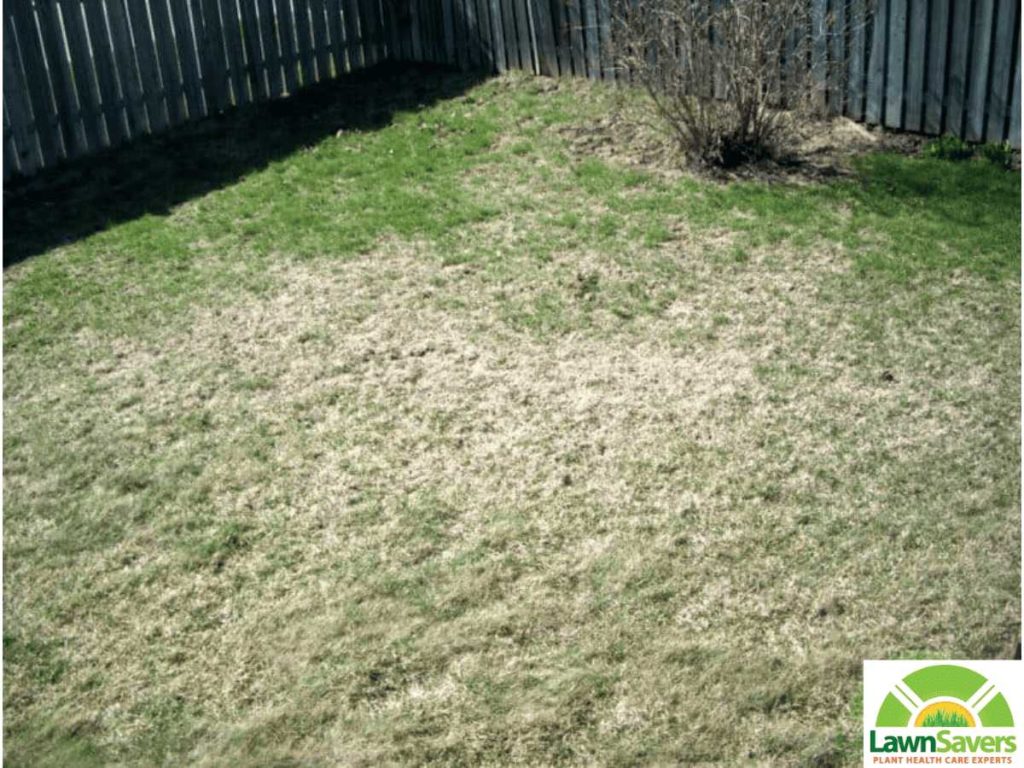
To repair your lawn after an insect infestation, start by identifying the pests and treating the area with targeted insecticides or natural remedies. Reseed or overseed bare patches, fertilize to promote healthy growth, and keep the soil moist to help new grass establish quickly. Consistent maintenance and monitoring will ensure your lawn recovers beautifully.
If your lawn has been overtaken by insects, quick action is essential to restore its health. First, identify the specific pest problem and treat it effectively with appropriate solutions. Then, repair damaged grass by reseeding or overseeding, fertilizing, and maintaining proper watering. With patience and care, your lawn can bounce back from insect damage, looking lush and vibrant once again.
Dealing with an insect-infested lawn can feel overwhelming, but with prompt and strategic action, your yard can regain its beauty. Insects like grubs, chinch bugs, and armyworms can cause significant damage, leaving your grass patchy and weak. Recognizing the signs early, such as wilting, brown patches, or thinning turf, allows you to act swiftly. Start by identifying the pests and choosing the right treatment—whether chemical or organic. Once the pests are controlled, focus on repairing the damage by removing dead grass, aerating the soil, and reseeding. Fertilization and proper watering support new growth, helping your lawn recover faster. With consistent effort, your outdoor space can be restored to its lush, healthy state.

How to Repair Lawn After Insect Infestation
Insect infestations can cause significant damage to your lawn, leaving it patchy, brown, and weak. Restoring your grass to its healthy state requires a clear plan and some dedicated effort. This section will guide you through practical steps to repair your lawn after pests have taken a toll.
Identify the Insects Causing the Damage
The first step in repairing your lawn is understanding which pests have caused the problem. Common lawn pests include armyworms, grubs, chinch bugs, and sod webworms. Proper identification helps determine the right treatment and prevention methods.
Look for signs such as brown patches, chewed grass blades, or small holes in the soil. Use a hand lens to examine the underside of leaves and soil surface for insects or their larvae. Consulting with a local extension office or lawn professional can also help confirm the pest type.
Assess the Extent of Damage
Once pests are identified, evaluate how much of your lawn is affected. If only small areas are damaged, spot treatment might suffice. Larger patches may require more comprehensive repair strategies. This assessment guides your next steps effectively.
Check soil conditions and root health by gently pulling back the grass. If roots are weak or rotted, deeper repair actions are needed to restore lawn vitality.
Eliminate the Pests
Applying the correct insecticide is crucial to control and eliminate pests. Choose a product specifically formulated for the insect type and follow label instructions carefully. Organic options, such as neem oil or beneficial nematodes, are alternatives for those seeking eco-friendly solutions.
Make sure to treat your lawn at the right time, typically early morning or late evening, to avoid harming beneficial insects. Repeat treatments may be necessary for persistent pests.
Remove Dead and Damaged Grass
After pest control, remove all dead, brown, or damaged grass. Use a rake or dethatching rake to clear the surface thoroughly. This step prevents mold growth and prepares the soil for reseeding or sodding.
Discard the debris away from your lawn to avoid re-infestation and to keep the area clean for the next phase of repair.
Loosen and Improve Soil Quality
Aerate the Lawn
Compacted soil can inhibit healthy grass growth. Use a garden aerator or pitchfork to loosen the soil, especially in heavily affected areas. Aeration allows air, water, and nutrients to reach roots more effectively.
Amend the Soil
Adding organic matter such as compost or peat moss improves soil fertility. Mix these amendments into the top few inches of soil to create optimal conditions for grass growth.
Testing soil pH can help determine if lime or sulfur is needed to correct acidity or alkalinity levels, promoting healthy root development.
Reseed or Lay New Sod
Choosing the Right Grass Seed
Select a grass type suitable for your climate, soil, and sunlight conditions. Common options include Kentucky bluegrass, fescue, or Bermuda grass. Use high-quality seed for better germination and growth.
Seeding Process
Spread the seed evenly over the prepared soil, following the recommended seeding rate. Lightly rake the soil to incorporate the seed and ensure good contact with the ground. Water gently but thoroughly to keep the soil moist.
Sodding Alternatives
If you prefer an instant lawn, laying sod is faster. Choose healthy sod pieces and lay them tightly together on prepared soil. Water immediately after installation for optimal rooting.
Watering and Maintenance
Consistent watering is vital during the germination and establishment phases. Keep the soil moist but not waterlogged, watering early in the morning or late in the evening.
Implement a regular lawn maintenance routine including mowing at the proper height, fertilizing, and aerating. This encourages strong root growth and helps prevent future pest problems.
Apply Fertilizer and Preventive Treatments
Use a balanced fertilizer suitable for your grass type and season. Fertilizing boosts your lawn’s resilience and encourages lush, healthy growth.
Consider preventive pest control measures such as applying beneficial nematodes or maintaining proper lawn health, which makes it harder for pests to re-establish.
Monitor Your Lawn Regularly
Keep an eye on your lawn for early signs of pest re-infestation or new damage. Prompt action at the first signs can prevent extensive damage from recurring.
Maintain good lawn hygiene and avoid overwatering or overfertilizing, as these can attract pests or encourage disease.
Additional Tips for a Healthy, Pest-Resistant Lawn
- Maintain proper mowing height to promote deep roots.
- Water deeply and infrequently to encourage drought-resistant roots.
- Keep your lawn free of thatch buildup and debris.
- Introduce beneficial insects or natural predators to control future pest populations.
Restoring your lawn after an insect infestation involves a combination of pest management, soil improvement, reseeding or sodding, and ongoing maintenance. By taking these steps, you can bring back the lush, green landscape you desire and keep it healthy for years to come.
Frequently Asked Questions
What steps should I take to remove remaining insect debris from my lawn?
After treating your lawn for insect infestation, carefully rake the area to remove leftover insect carcasses and debris. This helps prevent any remaining pests from attracting other insects or causing further damage. Use a sturdy rake and ensure you collect all debris for proper disposal. Washing the area with water can also help clear residues and prepare the soil for recovery.
How can I promote healthy grass recovery after insect damage?
Begin by aerating the lawn to improve soil drainage and encourage root growth. Follow up with overseeding to fill in bare or thinning patches, and apply a balanced fertilizer to provide essential nutrients. Regular watering is crucial to help the grass regain strength. Avoid excessive fertilization or watering, which can stress the grass further. Consistent maintenance encourages new growth and restores your lawn’s vitality.
What methods can I use to prevent future insect infestations?
Establish a regular lawn care routine that includes proper watering, mowing, and fertilizing practices to keep your grass healthy and less attractive to pests. Introducing beneficial insects like ladybugs or nematodes can naturally reduce pest populations. Additionally, monitor your lawn frequently for early signs of infestation and apply preventive treatments if necessary. Proper lawn hygiene and diversity can significantly lower the risk of recurring insect issues.
Final Thoughts
To repair lawn after insect infestation, start by removing affected grass and debris. Use insecticides carefully to eliminate pests without damaging the soil. Water the area deeply to promote healthy growth.
Apply nutrient-rich fertilizer to strengthen grass and improve resilience. Reseed bare patches promptly, ensuring good soil contact.
Consistent care and monitoring help maintain a healthy lawn, preventing future infestations. By following these steps, lawn recovery becomes achievable.
How to repair lawn after insect infestation involves proper removal, pest control, feeding, and reseeding. Focus on these practices to restore your lawn quickly and effectively.