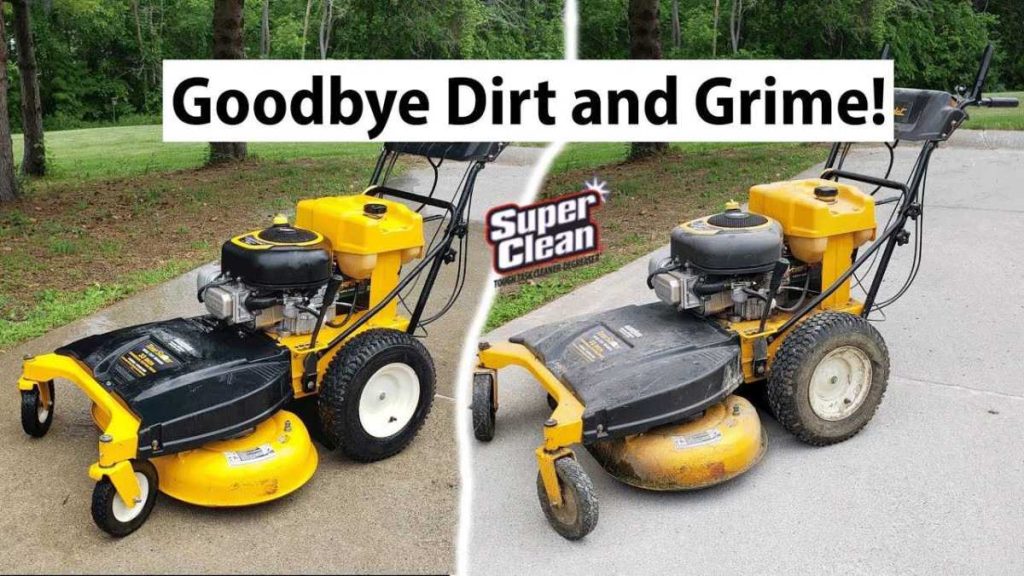
To clean a dirty lawn mower quickly and effectively, start by disconnecting the spark plug, then use a stiff brush or putty knife to remove built-up grass and dirt from the blades and deck. Rinse the mower with a hose, clean the blades thoroughly, and finish by oiling the moving parts to keep everything running smoothly. Regular cleaning not only extends your mower’s lifespan but also ensures a cleaner, healthier lawn every time you mow.
A dirty lawn mower can quickly become inefficient, clogging and deteriorating if not cleaned regularly. The good news is that cleaning your mower isn’t as complicated as it seems—just a few simple steps can make a big difference. Keeping your mower clean helps it perform better, lasts longer, and even improves the quality of your grass. Whether it’s grass clippings, mud, or dirt buildup, a quick clean-up will boost your mower’s efficiency and make your yard work easier. Let’s walk through the easiest way to keep your machine in tip-top shape!

How to Clean a Dirty Lawn Mower
A clean lawn mower works more efficiently and lasts longer. Dirt, grass clippings, and debris can build up over time, reducing its performance. Regular cleaning helps keep your mower in good shape and ensures a healthy, attractive lawn.
Understanding Why Cleaning Your Lawn Mower Is Important
Cleaning your lawn mower prevents rust and corrosion on metal parts. It helps the engine run smoothly and prevents clogging. Plus, a tidy mower looks better and makes mowing safer and more enjoyable.
The Best Time to Clean Your Lawn Mower
It’s best to clean your mower after every few uses, especially during grass growing season. If you notice the mower is straining or cutting unevenly, it’s time for a thorough cleaning. Regular cleanings can prevent big repairs later.
Tools and Supplies Needed for Cleaning
Before starting, gather these items:
- Garden gloves
- Scraper or putty knife
- Wire brush or stiff-bristled brush
- Garden hose or power washer
- Mild soap or mower cleaning solution
- Engine degreaser (optional)
- Rags or towels
- Oil and lubricant spray
- Protective goggles (for safety)
Preparing Your Lawn Mower for Cleaning
Start by disconnecting the spark plug wire to prevent accidental engine start. Ensure the mower is turned off and cooled down. Remove any grass catchers or attachments for easier access to parts.
Cleaning the Exterior and Deck of the Mower
Step 1: Remove Loose Grass and Debris
Use a scraper or putty knife to loosen stuck grass from the underside of the deck. Be gentle to avoid damaging the blades or deck surface. Clearing debris improves mowing performance and prevents buildup.
Step 2: Wash the Mower
Spray the mower with a garden hose or use a power washer on a low setting. Focus on the deck, wheels, and other surfaces to remove dirt and grass clippings. Avoid directing high-pressure water at the engine or electrical parts.
Step 3: Use Cleaning Solutions
Apply a mild soap or mower-specific cleaning solution to stubborn grime. Use a soft brush or sponge to scrub areas that need extra attention. Rinse thoroughly to remove all soap residues.
Cleaning and Maintaining the Blades
Step 1: Remove the Blades
Carefully tip the mower onto its side or lift it safely to access the blades. Use a wrench to remove bolts securing the blades. Always wear gloves to protect your hands from sharp edges.
Step 2: Sharpen or Replace Blades
If blades are dull or damaged, sharpen them with a file or grinder. Replace blades if they’re bent, chipped, or extensively worn. Sharp blades cut grass evenly and reduce strain on the engine.
Step 3: Clean the Blades
Scrub the blades with a wire brush to remove rust and grass residue. Rinse and dry thoroughly before reinstalling for optimal mowing efficiency.
Checking and Maintaining the Engine
Step 1: Clean the Air Filter
Remove the air filter and inspect it. Wash foam filters with soap and water or replace paper filters if dirty. A clean filter ensures the engine breathes properly.
Step 2: Clean the Engine Surface
Use compressed air or a soft brush to remove dirt from the engine cooling fins and vents. Keep these areas clear to prevent overheating.
Step 3: Change the Oil
Check the oil level and replace it if it appears dirty or low. Regular oil changes help keep the engine running smoothly. Refer to your mower’s manual for specific oil type and change schedule.
Lubricating Moving Parts
Apply a lubricant or oil to wheels, axles, and other moving parts. Proper lubrication reduces friction and prevents parts from rusting.
Reassembling and Final Checks
Reattach the blades securely after cleaning and sharpening. Double-check all nuts and bolts. Reconnect the spark plug wire only after completing all cleaning steps.
Additional Tips for Maintaining a Clean Lawn Mower
- Store your mower in a dry, sheltered place to prevent rust.
- Regularly inspect for loose or worn parts and replace them promptly.
- Keep the mower level during cleaning to avoid spilling oil or fuel.
- Use grass catcher bags properly to prevent excessive debris buildup.
Safety Precautions When Cleaning Your Lawn Mower
Always wear protective gear such as goggles and gloves. Work in a well-ventilated area. Never work on a hot engine to prevent burns. Disconnect the spark plug before cleaning or maintenance.
Summary of the Cleaning Process
In brief, effective lawn mower cleaning involves removing debris, washing surfaces, sharpening or replacing blades, maintaining the engine, and lubricating moving parts. Routine cleaning keeps your mower performing at its best and extends its lifespan.
By following these steps regularly, you will find mowing easier and your lawn healthier. Taking care of your equipment is simple and rewarding, ensuring you get the most out of your mower every season.
How to Clean a Lawn Mower the Right Way
Frequently Asked Questions
What tools and materials are best for cleaning a lawn mower?
Use a stiff-bristled brush or a putty knife to remove caked-on dirt and grass from the mower deck. Wear gloves for safety. Have a garden hose or pressure washer ready to rinse off debris. For stubborn grime, use a biodegradable degreaser or a mixture of warm water and dish soap. A cloth or sponge can help clean smaller parts, and never forget to have a wheel cleaner or lubricant for moving parts after cleaning.
How can I remove grass clippings and debris stuck underneath the mower deck?
First, disconnect the spark plug to prevent accidental starting. Tilt the mower on its side, ensuring the air filter and carburetor stay clean. Use a putty knife or a stirring tool to scrape away thick clumps of grass and debris from the underside. Rinse the area with a pressure washer or garden hose. This process helps prevent rust and ensures the mower runs smoothly during your next cut.
What maintenance steps should I follow after cleaning my lawn mower?
Once you finish cleaning, inspect all moving parts like wheels and blades, and lubricate them if necessary. Sharpen the blades to ensure a clean cut during mowing. Check the air filter and replace it if it’s dirty or clogged. Reconnect the spark plug and add fresh oil if needed. Proper maintenance afterward helps extend the mower’s lifespan and improves its performance on future mowing sessions.
Final Thoughts
To clean a dirty lawn mower, start by disconnecting the spark plug for safety. Use a stiff brush to remove grass clippings and dirt from the underside. Apply a degreaser to greasy parts and scrub gently.
Rinse all parts with water, making sure to dry thoroughly. Regular cleaning maintains mower performance and extends its life. Knowing how to clean dirty lawn mower ensures easy maintenance and a well-kept yard.