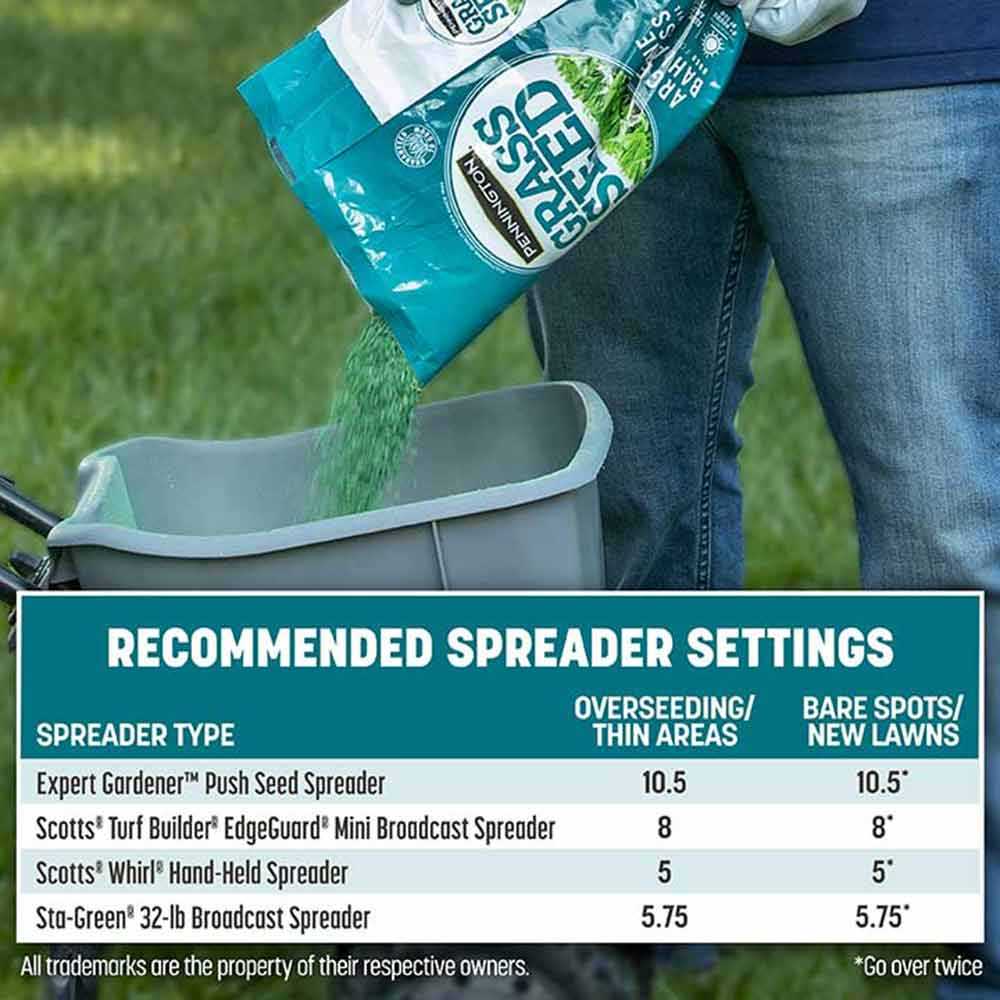
To fix bare spots in Bahia grass, lightly loosen the soil, reseed with Bahia grass seed, and keep the area consistently moist until new growth appears. Regular watering and proper fertilization help the new grass establish quickly and blend seamlessly with the existing lawn.
The key to repairing bare patches in Bahia grass is to prepare the soil, reseed with fresh Bahia grass seed, and maintain proper watering. Ensuring good soil contact and consistent moisture encourages healthy growth and helps your lawn look lush again.
If you’re tired of unsightly bare patches ruining your yard’s appearance, don’t worry—repairing Bahia grass is easier than you think. Bare spots often occur due to drought stress, heavy foot traffic, or poor soil conditions. To restore a vibrant, even lawn, start by removing any dead grass and loosening the soil so seeds can settle in properly. Sow Bahia grass seed evenly over the patch and lightly press it into the soil for good contact. Keep the area consistently watered, especially during the first few weeks, to help the seed germinate and establish. With patience and proper care, your Bahia grass will fill in quickly, leaving you with a smooth, green lawn you’ll love showing off.

How to repair bare spots in Bahia grass
Understanding the causes of bare spots in Bahia grass
Bare spots in Bahia grass can appear for several reasons. Common causes include heavy foot traffic, pests, disease, improper watering, or soil compaction. Recognizing the root cause helps in choosing the best method for repair and prevents future bare patches.
Assessing the size and extent of the bare spots
Before starting repair, measure the size of the area. Small patches of less than a square foot are easier to repair with simple overseeding. Larger areas may require additional steps like soil aeration or reshaping the landscape to ensure successful recovery.
Preparing the area for repair
Begin by removing any dead grass, weeds, or debris from the bare spots. Use a rake to loosen the soil, which helps new grass roots to establish better. Level the soil surface to match the surrounding area, creating an even planting bed.
Choosing the right grass seed for Bahia lawn repair
Select Bahia grass seed that matches the existing lawn for consistent appearance. Look for high-quality, disease-resistant seed with good germination rates. Ensure the seed is suitable for your climate zone and soil type to maximize growth success.
Factors to consider when selecting seed
- Seed purity and germination rate
- Proven drought tolerance
- Resistance to pests and diseases
- Compatibility with local climate conditions
Steps for overseeding bare patches
- Sprinkle the seed evenly over the prepared soil.
- Lightly rake the seed into the soil to ensure good seed-to-soil contact.
- Water the area gently to keep the soil moist but not waterlogged.
- Maintain consistent moisture during germination, usually for two to three weeks.
Proper watering techniques for Bahia grass recovery
Water is essential for seed germination and healthy growth. Keep the soil consistently moist in the first few weeks after planting. Deep, infrequent watering encourages strong root development.
Watering tips for best results
- Water early in the morning to reduce evaporation.
- Avoid overwatering, which can lead to fungus or rot.
- Adjust watering frequency based on weather—more during hot, dry periods.
- Use a sprinkler with a gentle flow to prevent washing away seeds.
Applying fertilizers and nutrients to promote healthy growth
Feeding Bahia grass helps it recover quickly. Use a balanced fertilizer with nitrogen, phosphorus, and potassium. Follow the manufacturer’s instructions for application rates and timing.
Best fertilization practices
- Apply fertilizer after seedlings have established.
- Use slow-release fertilizers to provide nutrients over time.
- Consider additional iron supplements if the grass looks yellow or pale.
- Avoid over-fertilizing, which can cause thatch buildup or stress the grass.
Controlling weeds and pests during the repair process
Weeds can compete with new Bahia grass for nutrients. Use selective weed control products or hand-pull weeds as they appear. Monitor for pests like chinch bugs or grubs and treat promptly.
Common pest management tips
- Regularly inspect the lawn for signs of pests or disease.
- Use appropriate insecticides if infestations are detected.
- Maintain lawn health to make it less attractive to pests.
- Ensure proper watering and fertilization to strengthen grass resiliency.
Using soil amendments and aeration to improve soil health
Compact soil or poor drainage can inhibit Bahia grass growth. Incorporate organic matter like compost to enrich nutrients. Aerate the soil to improve oxygen flow and root expansion.
Steps for soil improvement
- Mix compost into the soil before overseeding.
- Use a lawn aerator to poke holes and reduce soil compaction.
- Apply lime or sulfur if soil pH adjustments are needed.
- Test soil quality regularly to tailor amendments appropriately.
Replanting and maintenance tips for long-term lush Bahia grass
Consistent maintenance ensures the repair lasts and the lawn becomes dense again. Mow at the proper height and avoid cutting more than one-third of the grass height at a time.
Ongoing care routines
- Maintain regular watering, especially during dry spells.
- Apply periodic fertilization as per grass needs.
- Control weeds actively to prevent competition.
- Monitor for signs of pests and disease and treat promptly.
Preventing future bare spots in Bahia grass
A healthy lawn is less prone to bare patches. Proper watering, fertilization, and avoiding excessive foot traffic protect the grass. Fix drainage issues and address pest problems early.
Preventative measures
- Limit heavy foot traffic, especially on fragile areas.
- Use walkways or stepping stones to reduce wear.
- Apply a lawn aerator annually to relieve soil compaction.
- Keep pest populations in check with regular inspections.
Additional tips for Bahia grass lawn health
Maintaining a lush Bahia lawn involves overall good practices. Adjust mowing height, water wisely, and manage pests efficiently. A consistent routine supports the health of your grass year-round.
Summary of key practices
- Proper watering frequency and depth
- Timely fertilization with appropriate nutrients
- Prevention of soil compaction through aeration
- Regular mowing at the recommended height
- Early weed and pest control measures
By understanding these detailed steps, you can effectively repair and maintain a healthy Bahia grass lawn. Proper preparation, timely intervention, and consistent care will keep your yard green, dense, and free of bare patches.
#shorts How to fix patchy grass and bare spots in your lawn – quick & easy #lawncare#lawnmaintenance
Frequently Asked Questions
What soil preparation steps should I take before reseeding bare spots in Bahia grass?
Start by removing any dead or damaged grass and loosen the soil in the bare areas using a rake or garden fork. Evaluate the soil’s pH and nutrient levels, and incorporate necessary amendments like compost or fertilizer to improve fertility. Ensure the area is level to promote even grass growth and prevent water runoff. Proper soil preparation creates an ideal environment for new Bahia grass to establish quickly and healthily.
How can I ensure good seed-to-soil contact for better germination in bare spots?
Once you spread the Bahia grass seed over the bare spots, press the seeds into the soil using a roller or by walking over the area to improve contact. Lightly raking the seed into the soil surface can also help. Avoid burying the seeds too deep; a thin layer of soil or soil mulch around the seeds is sufficient. Ensuring proper seed-to-soil contact encourages faster germination and stronger seedling development.
What watering practices should I follow after repairing bare spots in Bahia grass?
Water the repaired areas immediately after planting to keep the soil consistently moist but not waterlogged. Maintain a regular watering schedule—about once daily or as needed—to support seed germination and seedling growth. Reduce watering frequency gradually as the new grass establishes, ensuring the soil remains moist enough to promote healthy root development without causing erosion or fungal issues.
What are effective methods to control weeds around newly repaired Bahia grass areas?
Apply a light layer of mulch or straw over the area to suppress weed growth while retaining soil moisture. Avoid using chemical herbicides until the new grass has developed enough to compete effectively. Hand-pulling weeds or using a selective herbicide designed for lawns can also help control unwanted plants without harming the Bahia grass. Regular monitoring and prompt removal of weeds prevent them from overtaking the newly repaired spots.
How long should I wait before mowing the repaired Bahia grass area?
Wait until the new Bahia grass reaches a height of about 2-3 inches before mowing. Ensure the grass has developed several sturdy leaves and established strong roots, which typically takes around 3 to 4 weeks. Mowing too early can damage young seedlings, so patience helps the grass establish a healthy, even appearance.
Final Thoughts
To repair bare spots in Bahia grass, start by removing dead grass and loosening the soil. Fill the area with high-quality Bahia grass seed or sod. Keep the area consistently moist to encourage new growth. Regular watering and proper fertilization promote healthy spreads, ensuring even coverage. By following these steps, you can efficiently repair bare spots in Bahia grass and restore your lawn’s beauty.