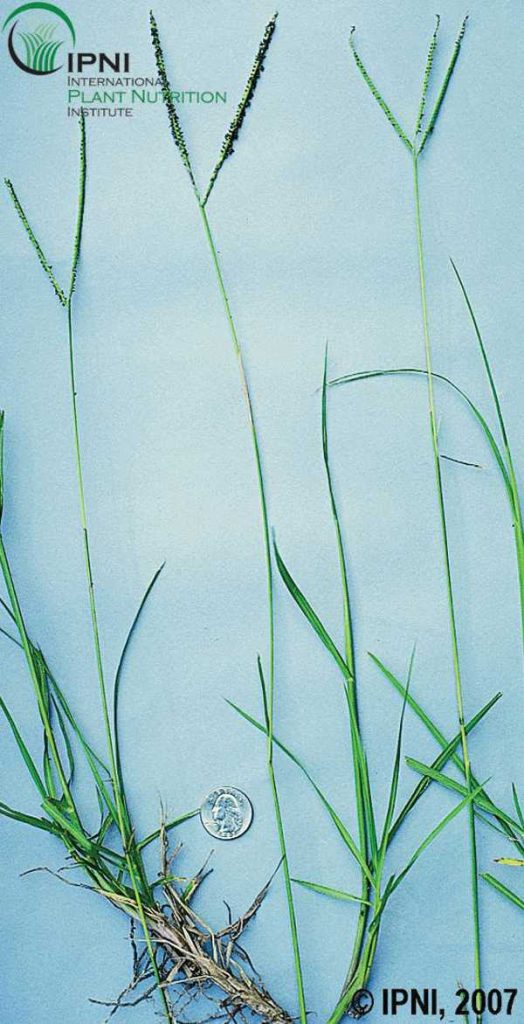
Yes, Bahia grass generally benefits from liming, especially if your soil is acidic. Proper application of lime can enhance soil health, improve nutrient availability, and promote lush, vigorous growth of Bahia grass. However, whether your specific yard needs lime depends on your soil’s pH level, which should be tested before application.
In short, Bahia grass does need lime if your soil is too acidic. Lime helps balance the pH, creating optimal conditions for the grass to thrive. Regular soil testing is key to determine if lime is necessary and to ensure you apply the right amount for healthy, green Bahia lawns.
If you’re considering planting Bahia grass or already have it in your yard, understanding your soil’s pH level is crucial. Bahia grass is a warm-season perennial that’s popular in southern regions because it’s drought-tolerant and low-maintenance. Yet, for it to grow strong and healthy, your soil needs to be within a certain pH range, typically between 5.5 and 6.5. In many cases, soil in the southeastern United States tends to be acidic, which can hinder nutrient uptake by the grass. Lime is often used to raise soil pH and make nutrients more available, but over-application can be harmful. Therefore, testing your soil first is the best way to determine if lime is needed and how much to apply, ensuring your Bahia grass gets the right foundation to flourish.

Does Bahia Grass Need Lime? A Detailed Guide for Healthy Lawns
Understanding Soil pH and Its Impact on Bahia Grass
Soil pH measures how acidic or alkaline the soil is. Bahia grass thrives best in soils with a pH between 5.5 and 7.0. If the soil pH falls outside this range, the grass may not grow as well or could become more susceptible to pests and diseases.
Many soils in the southern United States naturally tend to be slightly acidic, which can affect how well Bahia grass establishes and persists. Testing your soil pH is the first step before deciding if lime application is necessary.
How to Test Your Soil pH
Testing your soil pH is simple and affordable. You can buy a soil testing kit at most garden centers or hire a professional soil testing lab.
- Collect soil samples from different parts of your lawn.
- Follow the instructions on the testing kit or send samples to a lab.
- Get the results and note the pH level.
Knowing the exact pH level helps you make an informed decision about whether to add lime to your soil.
Signs That Your Bahia Grass Needs Lime
If your soil is too acidic, your Bahia grass may show signs of stress, such as slow growth or thin patches.
- Yellowing or pale grass can be a sign of nutrient deficiency caused by low pH.
- Poor root development or weak turf is common in overly acidic soils.
- Reduced drought tolerance and increased pest problems may also occur.
Applying lime can help balance soil pH, encouraging healthier and greener Bahia grass.
How Lime Affects Soil pH and Bahia Grass Growth
Lime is a soil amendment that raises the pH of acidic soils. When applied correctly, it neutralizes excess acidity and creates a better environment for grass roots.
Balanced soil pH improves nutrient availability, especially nitrogen, phosphorus, and potassium essential for Bahia grass. This results in thicker, greener, and more resilient lawns.
Types of Lime Suitable for Bahia Grass
Not all lime products are the same. Choosing the right type ensures effective pH adjustment without harming your lawn.
- Calcitic Lime: Contains calcium carbonate and is most common for general lawn use.
- Dolomitic Lime: Contains both calcium carbonate and magnesium carbonate, beneficial if your soil is deficient in magnesium.
- Hydrated Lime: A fast-acting lime that works quickly but should be used carefully to avoid over-liming.
Always follow the manufacturer’s instructions and avoid over-application, which can harm your lawn.
How Much Lime Does Bahia Grass Need?
The amount of lime required depends on your initial soil pH and the soil’s buffering capacity.
| Soil pH | Lime Application (pounds per 1000 square feet) |
|---|---|
| Less than 5.5 | 10 to 15 pounds |
| Between 5.5 and 6.0 | 5 to 10 pounds |
| Above 6.0 | Minimal or no lime needed |
Applying lime in small, measured amounts and testing the soil afterward ensures the pH reaches the desired level without overcorrecting.
When and How to Apply Lime to Bahia Grass
Timing is important when applying lime. The best time is during the dormant season or late fall to give the soil time to adjust.
Spread lime evenly across your lawn using a broadcast spreader for uniform coverage. Water the area after application to help the lime penetrate the soil.
Repeat soil testing after a few months to monitor progress and determine if further lime applications are necessary.
Potential Risks of Over-Liming
While lime is beneficial, too much can raise the soil pH excessively, leading to deficiencies in essential nutrients like iron and manganese.
This imbalance can cause grass to turn yellow or develop patches. Over-liming can also make it difficult for Bahia grass to absorb nutrients, impacting growth and health.
Alternatives and Complementary Soil Amendments
In addition to lime, consider other ways to improve soil health:
- Organic matter: Adding compost enhances nutrient content and soil structure.
- Balanced fertilization: Applying fertilizers based on soil test results supports overall growth.
- Proper watering practices: Consistent watering helps nutrients and amendments work effectively.
Does Bahia Grass Need Lime in All Regions?
The need for lime varies by region and soil type. In some areas, soils are naturally closer to neutral, reducing the need for amendments.
Regions with highly acidic soils benefit more from lime applications. Always check local soil conditions and seek advice from local extension services.
Frequency of Lime Applications for Bahia Grass
Lime application should be based on soil test results rather than a fixed schedule.
Usually, once every 2 to 3 years is sufficient if your soil pH is adequately maintained.
Regular testing is essential to avoid unnecessary lime use and maintain optimal soil conditions for Bahia grass growth.
Summary: The Importance of Soil Testing and Proper Lime Use
Soil testing is the cornerstone of healthy Bahia grass lawns. It ensures you use the correct amount of lime and avoid damaging your turf.
Applying lime without testing can lead to imbalanced soil pH, affecting your lawn’s health and appearance. Always follow recommended guidelines based on your soil’s needs.
Related Topics to Consider for Lawn Health
Beyond lime, consider the following tips to keep your Bahia grass thriving:
- Mowing height: Maintain at 3 to 4 inches for optimal health.
- Weed control: Manage weeds early to prevent competition for nutrients.
- Soil aeration: Aerate annually to improve water and nutrient penetration.
- Pest and disease management: Regular inspections help spot problems early.
Balancing soil pH with lime is just one part of a comprehensive lawn care routine that keeps Bahia grass lush and green.
Knowing whether Bahia grass needs lime depends on your soil’s pH level and specific conditions. Testing the soil provides accurate information, guiding appropriate lime application. When applied correctly, lime enhances soil health, ensuring your Bahia grass remains attractive, resilient, and vibrant throughout the seasons. Proper soil management leads to a beautiful, healthy lawn that withstands environmental stresses and looks great all year round.
How To Care For A Bahia Grass Lawn Part 1
Frequently Asked Questions
How do I determine if my Bahia grass needs lime?
To decide if your Bahia grass requires lime, start with a soil test. This test reveals the pH level and nutrient status of your soil. Bahia grass thrives best in soil with a pH between 5.8 and 6.5. If your soil test shows a pH below this range, adding lime can help raise the pH to create a more suitable environment for healthy growth.
What signs indicate that Bahia grass might benefit from lime application?
Watch for signs like slow growth, poor color, or patchy patches in your Bahia grass. These symptoms often suggest acidic soil conditions. Applying lime can help neutralize soil acidity, improving nutrient availability and overall grass health, leading to greener and more vigorous growth.
How often should I apply lime to my Bahia grass lawn?
Apply lime based on soil test recommendations, typically every 2 to 3 years. Avoid applying lime unnecessarily; over-liming can raise soil pH too much, which may harm your grass. Regular testing helps you determine when and how much lime to add for optimal soil conditions.
Can I use different types of lime for Bahia grass?
Yes, you can use various types of lime, such as calcitic or dolomitic lime. Dolomitic lime contains magnesium, which benefits soil health if magnesium deficiency exists. Always follow the application instructions and consider soil test results to choose the appropriate lime type for your lawn.
Are there alternative fertilization methods to improve Bahia grass without lime?
While lime helps correct soil acidity, you can also improve Bahia grass health with proper fertilization. Use nitrogen-rich fertilizers suited for warm-season grasses, and ensure adequate watering and mowing practices. Combining fertilization with soil pH management leads to better turf performance.
Final Thoughts
Bahia grass generally prefers a slightly acidic to neutral soil pH. Lime is often used to adjust soil conditions, promoting healthy growth.
Applying lime depends on your soil test results; it isn’t necessary for all lawns. If your soil is too acidic, adding lime benefits your Bahia grass.
In conclusion, does Bahia grass need lime? If your soil shows acidity issues, lime can help improve growth conditions. Testing your soil remains the best step to make an informed decision.