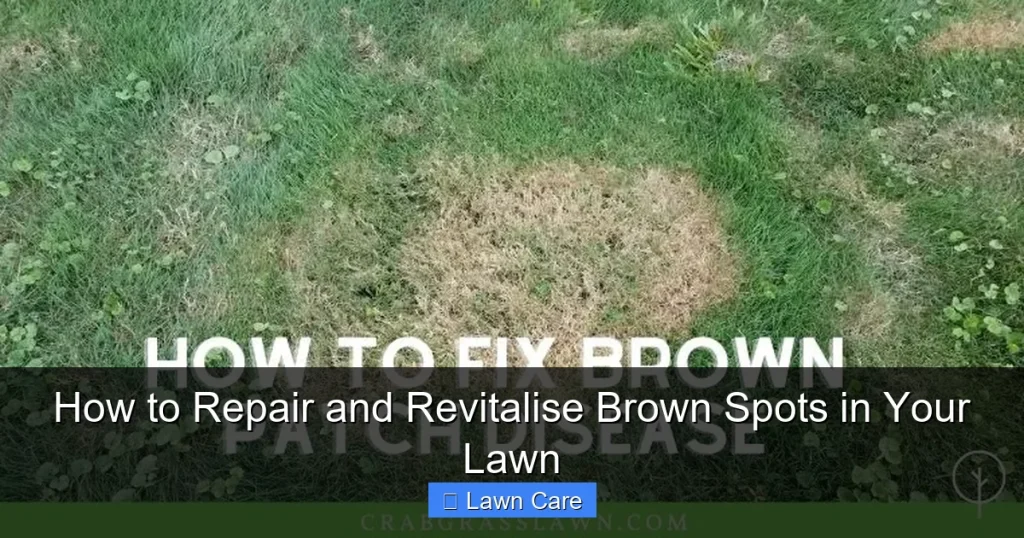
Brown spots can be frustrating, but fixing them is totally achievable! This guide will help you identify the root cause, from pests to poor watering, and provide actionable steps to repair and revitalise your lawn. Get ready for a lush, green carpet of grass again.
Ugh, brown spots. They’re like an unwelcome guest at your perfectly planned garden party, ruining the otherwise vibrant green landscape. Seeing those unsightly patches pop up can be disheartening, especially when you’ve put in the effort to maintain a beautiful lawn. But don’t despair! Those brown spots aren’t a death sentence for your grass. With a little detective work and some targeted care, you can absolutely repair and revitalise them, bringing your lawn back to its lush, healthy glory.
The key to tackling brown spots effectively lies in understanding what’s causing them in the first place. Are they small, isolated incidents, or are they spreading rapidly? Do they appear after a heatwave, or do they seem to target specific areas? By asking the right questions, you can start to narrow down the possibilities and choose the most effective treatment. This article will guide you through identifying the common culprits behind brown spots and provide you with a step-by-step plan to restore your lawn’s health and appearance.
Let’s get your lawn looking fantastic again! We’ll cover everything from watering woes to unwelcome critters, ensuring you have the knowledge to banish those brown patches for good.
Key Takeaways
- Identify the Cause: Understanding why brown spots appear is the first step to effective repair, whether it’s pests, diseases, improper watering, or pet damage.
- Proper Watering Techniques: Deep, infrequent watering encourages healthy root growth and helps prevent widespread brown patches, especially during dry spells.
- Soil Health is Crucial: Aerating, dethatching, and adding compost can significantly improve soil structure and nutrient availability, leading to a more resilient lawn.
- Pest and Disease Management: Early detection and appropriate treatment are key to stopping the spread of lawn-damaging insects and fungal infections.
- Repairing Bare Patches: Once the cause is addressed, re-seeding or laying sod can quickly fill in bare areas and help your lawn recover its full, green appearance.
- Preventative Measures: Regular maintenance, including proper mowing, fertilizing, and addressing potential issues before they become major problems, is vital for long-term lawn health.
Quick Answers to Common Questions
What is the quickest way to fix a brown spot on my lawn?
The quickest way depends on the cause. For very small, isolated spots from pet urine, watering the area thoroughly can help dilute it. For larger or persistent spots, you’ll likely need to reseed or use sod after addressing the underlying issue.
Can I just water the brown spots to fix them?
Watering can help if the brown spot is due to drought, but if it’s caused by overwatering, disease, or pests, watering alone won’t fix it and could even make the problem worse.
How do I know if it’s a pest problem causing the brown spots?
Look for signs of insect activity. You might see chewed grass blades, irregular dead patches, or even visible bugs like grubs or chinch bugs in the soil or on the grass.
Will fertilizing help my brown spots?
Fertilizing can help if the browning is due to a nutrient deficiency (like low nitrogen causing red thread), but it won’t help if the cause is disease, pests, or overwatering. In fact, too much fertilizer can burn the grass and create more brown spots.
How long does it take for a repaired brown spot to grow back?
Reseeding can take 1-3 weeks for germination and several more weeks for establishment. Sodding provides an immediate green cover, but it still needs a few weeks to root properly.
📑 Table of Contents
Why Are There Brown Spots in My Lawn? Identifying the Culprits
Before you can fix something, you need to know what’s broken, right? The same goes for your lawn. Brown spots are symptoms, not the disease itself. Identifying the underlying cause is the most crucial step in repairing and revitalising your lawn. Let’s break down the most common reasons your grass might be turning brown.
Watering Woes: Too Much or Too Little?
This is perhaps the most common reason for brown patches. Overwatering can suffocate grass roots, leading to fungal diseases that manifest as brown spots. Conversely, underwatering causes the grass to go dormant or die, turning brown from lack of moisture.
* Underwatering: During hot, dry periods, if your lawn isn’t receiving enough water, the grass blades will lose moisture, turn brown, and eventually die. You might notice the grass feels dry and brittle. It often starts in sunnier, more exposed areas. If your lawn is just dormant due to drought, it can often recover with proper watering. We have some great tips on how to care for your lawn in dry conditions that can help prevent this.
* Overwatering: Believe it or not, too much water can be just as damaging. Waterlogged soil deprives roots of oxygen, making them susceptible to root rot and fungal diseases. You might notice a yellowish hue before it turns brown, and the affected areas might feel spongy or mushy.
Pest Infestations
Tiny pests can wreak havoc on your lawn, feasting on grass blades or roots, leaving behind brown, dead patches.
* Grubs: These C-shaped larvae live in the soil and feed on grass roots. Large infestations can cause entire sections of your lawn to lift up like a carpet. You might see irregularly shaped brown patches that expand over time.
* Chinch Bugs: These small insects are notorious for damaging turfgrass, especially in warm-season grasses during hot, dry weather. They suck the sap from grass blades, causing yellowing and then browning, often in irregular patches that can merge.
* Armyworms and Sod Webworms: These caterpillar-like pests chew on grass blades, often at night. You might see chewed-off blades or thinning patches that turn brown.
Fungal Diseases
Fungi love certain conditions, and when they take hold, they can rapidly turn your green lawn into a mosaic of brown.
* Brown Patch: This common disease causes circular patches of brown, straw-like grass. In the center of the patch, you might see a darker, “smoke ring” effect, especially in the morning.
* Dollar Spot: This disease creates small, straw-colored spots about the size of a silver dollar. These spots can merge to form larger dead areas. You’ll often see a cobweb-like fungal growth on the grass blades in the early morning dew.
* Red Thread: Characterized by pinkish-red threads on the grass blades, this disease causes irregular patches of bleached-out, tan, or brown grass. It’s often a sign of a lawn lacking nitrogen.
Pet Damage: The Unavoidable Culprit
If you have a furry friend, you know the pain of spotting those tell-tale brown circles caused by dog urine. The high concentration of nitrogen in dog urine burns the grass, creating dead spots. These are typically circular and can be quite potent. Fortunately, there are specific ways to address this, and you can learn more about how to repair dog urine spots on your lawn.
Environmental Stress
Sometimes, your lawn is just having a tough time with the elements.
* Heat and Drought: Prolonged periods of extreme heat and lack of rain can cause grass to go dormant or die, leading to widespread browning.
* Compacted Soil: Hard, compacted soil prevents water, air, and nutrients from reaching the grass roots. This weakens the grass, making it more susceptible to browning and other problems. You might notice water pooling on the surface. We can delve deeper into how to repair compacted soil in your lawn.
* Chemical Spills: Accidental spills of gasoline, oil, or certain fertilizers can quickly kill grass, leaving brown patches.
The Repair Process: Step-by-Step Revitalisation
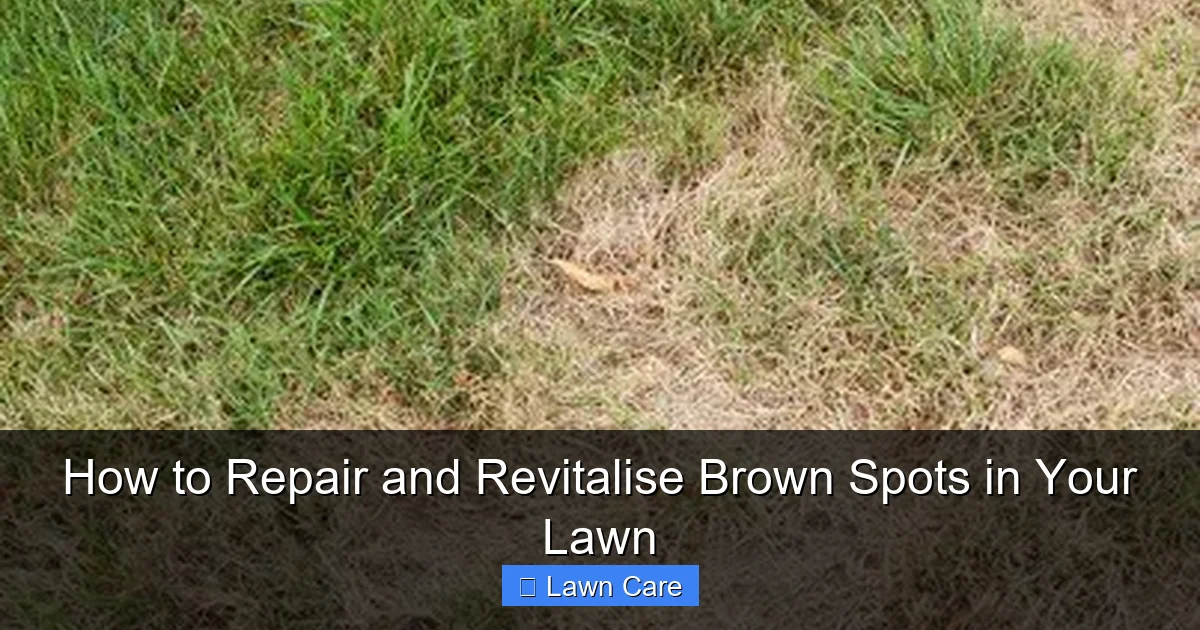
Visual guide about How to Repair and Revitalise Brown Spots in Your Lawn
Image source: thesteppingstone.net
Once you’ve identified the cause of your brown spots, it’s time to get to work. The repair process will vary slightly depending on the issue, but there are some fundamental steps that apply to most situations.
Step 1: Clear the Area and Assess Damage
* **Remove Debris:** Start by raking out any dead grass, thatch, weeds, or debris from the brown areas. This will allow for better air circulation and prepare the soil for new growth.
* **Examine the Soil:** Feel the soil. Is it dry and hard? Is it waterlogged? This can confirm your diagnosis or give you more clues. Gently dig a small section to check for grub activity.
Step 2: Address the Root Cause
This is where your detective work pays off.
* **Watering Issues:** If you’re underwatering, adjust your watering schedule to provide deep, infrequent watering. Aim for about 1 inch of water per week, applied in one or two sessions. If overwatering is the problem, reduce the frequency and duration of your watering. Ensure your lawn has good drainage. You might consider ways to improve drainage in your lawn if this is a persistent issue.
* **Pest Infestations:** If you find grubs, armyworms, or chinch bugs, use appropriate insecticides. Follow product instructions carefully and consider environmentally friendly options where possible.
* **Fungal Diseases:** For fungal issues, you might need a fungicide. However, improving air circulation, proper watering, and addressing any underlying issues like poor soil health often helps the lawn recover naturally. Removing thatch and mowing at the correct height can also help prevent fungal problems.
* **Pet Spots:** For dog urine spots, water the area thoroughly immediately after your dog urinates to dilute the nitrogen. For existing spots, you’ll need to repair them as you would any bare patch (see Step 3).
* **Environmental Stress:** For heat and drought, focus on proper watering and consider overseeding in the fall to thicken the lawn and make it more resilient. For compacted soil, aeration is key.
Step 3: Prepare for Reseeding or Sodding
Once the cause is neutralized and the area is cleared, it’s time to bring back the green.
* **Loosen the Soil:** Use a rake or a garden fork to loosen the top inch or two of soil in the brown patch. This creates a good seedbed for new grass to establish.
* **Amend the Soil (If Needed): If your soil is poor, add a thin layer of compost or good quality topsoil to improve its structure and fertility. This is a great opportunity to boost your soil’s overall health.
Step 4: Re-establishing Grass
You have two main options here: seeding or sodding.
* **Seeding:** This is the most common and cost-effective method.
* Choose the Right Seed: Select grass seed that matches your existing lawn type and is suitable for your climate. Consider a mix that is hardy and drought-tolerant.
* Spread the Seed: Sprinkle the seed evenly over the prepared soil. You can use a spreader for larger areas. Rake lightly to ensure good seed-to-soil contact.
* Water Consistently: Keep the newly seeded area consistently moist. Water lightly multiple times a day, especially in the first week or two, until the seeds germinate and the seedlings are established. Once established, gradually transition to less frequent, deeper watering. For a comprehensive guide, check out how to fix bare spots in your lawn quickly and easily.
* **Sodding: This is a faster way to get a green lawn, but it’s more expensive.
* **Prepare the Area:** Ensure the bare patch is level and well-prepared.
* **Lay the Sod:** Place the sod pieces tightly together, ensuring good contact with the soil beneath.
* **Water Thoroughly:** Water the new sod immediately and keep it consistently moist until the roots have established into the soil.
Revitalising Beyond Repair: Long-Term Lawn Health
Repairing brown spots is just one part of the equation. To truly revitalise your lawn and prevent future problems, you need to focus on overall lawn health.
Aeration and Dethatching
* Aeration: This process involves removing small plugs of soil from your lawn. It’s crucial for relieving soil compaction, allowing air, water, and nutrients to penetrate the root zone. This is especially important in high-traffic areas or lawns with clay soil. Aerate in the spring or fall.
* Dethatching: Thatch is a layer of dead and living organic matter that builds up between the grass blades and the soil surface. A thin layer is beneficial, but excessive thatch can block air and water, creating a breeding ground for pests and diseases. Dethatching removes this layer, promoting a healthier lawn. Do this when the grass is actively growing.
Proper Mowing and Fertilizing
* **Mowing Height:** Mowing your grass too short stresses it, making it more susceptible to disease and drought. Aim for the recommended height for your grass type (usually 2.5 to 3.5 inches). Keep your mower blades sharp for a clean cut that prevents tearing. Consider trying different mowing patterns, like how to mow your lawn in a diamond pattern, for a unique look and to prevent soil compaction in specific areas.
* Fertilizing: A balanced fertilization program provides the essential nutrients your lawn needs to thrive. Fertilize according to your grass type and the season. Too much nitrogen can sometimes lead to fungal issues, so follow recommendations carefully.
Overseeding for Density
Overseeding involves spreading grass seed over an existing lawn to fill in thin areas and increase density. Doing this in the fall is ideal for most cool-season grasses. A thicker lawn crowds out weeds and is more resilient to stress. This is a fantastic way to make your lawn greener and thicker overall.
Common Mistakes to Avoid
Even with the best intentions, some common mistakes can hinder your repair efforts.
* **Treating the Symptom, Not the Cause:** Spraying for bugs when the problem is overwatering won’t solve anything. Always identify the root issue first.
* **Using the Wrong Seed:** Using a seed mix that isn’t suited to your climate or existing lawn can lead to poor germination or a lawn that struggles to thrive.
* **Over-Fertilizing:** Too much fertilizer can burn the grass and contribute to fungal growth, worsening the problem.
* **Not Watering Properly:** Either too much or too little watering will undo your repair efforts. Be consistent and appropriate for the stage of growth.
* **Rushing the Process:** Lawn repair takes time. Be patient and persistent with your efforts.
Conclusion: A Greener, Healthier Lawn Awaits
Brown spots in your lawn are a common frustration, but they are rarely a permanent problem. By systematically identifying the cause, whether it’s a watering issue, pesky insects, disease, or environmental stress, you can implement the right solutions. Remember that a healthy lawn is a strong lawn, and consistent maintenance, including proper watering, mowing, and soil care, is your best defense against future brown patches.
Don’t let those brown spots get you down. With the knowledge and tools from this guide, you’re well on your way to repairing and revitalising your lawn, transforming it into a lush, green oasis you can be proud of. Keep an eye on your grass, respond promptly to issues, and enjoy the satisfaction of a beautiful, healthy lawn all year round.
Frequently Asked Questions
What are the most common causes of brown spots in a lawn?
The most common causes include improper watering (too much or too little), pest infestations like grubs or chinch bugs, fungal diseases such as brown patch, damage from pets, and environmental stressors like heat or compacted soil.
How can I tell if my lawn has a fungal disease?
Fungal diseases often present as circular or irregular patches of brown or straw-colored grass. Some may have a distinct pattern like a “smoke ring” around the edge of the patch, or show signs of fungal growth on the blades, especially in the morning dew.
Is it better to reseed or use sod to fix brown spots?
Reseeding is more economical and suitable for smaller areas, but it takes longer to establish. Sodding offers an instant fix but is more expensive and requires careful watering to ensure the new sod roots properly.
How often should I water my lawn to prevent brown spots?
Water deeply and infrequently, aiming for about 1 inch of water per week, typically applied in one or two sessions. This encourages deep root growth, making your lawn more resilient to drought. The exact frequency will depend on your climate and soil type.
Can I repair brown spots caused by dog urine?
Yes, you can. For fresh spots, water the area immediately to dilute the urine. For established spots, you’ll need to repair them by removing the dead grass, loosening the soil, and reseeding with a grass type that’s resistant to urine damage, or by laying down sod.
What is aeration and how does it help with brown spots?
Aeration is the process of creating small holes in the soil to relieve compaction. This allows air, water, and nutrients to reach the grass roots more effectively, leading to stronger, healthier grass that is less prone to developing brown spots due to stress.