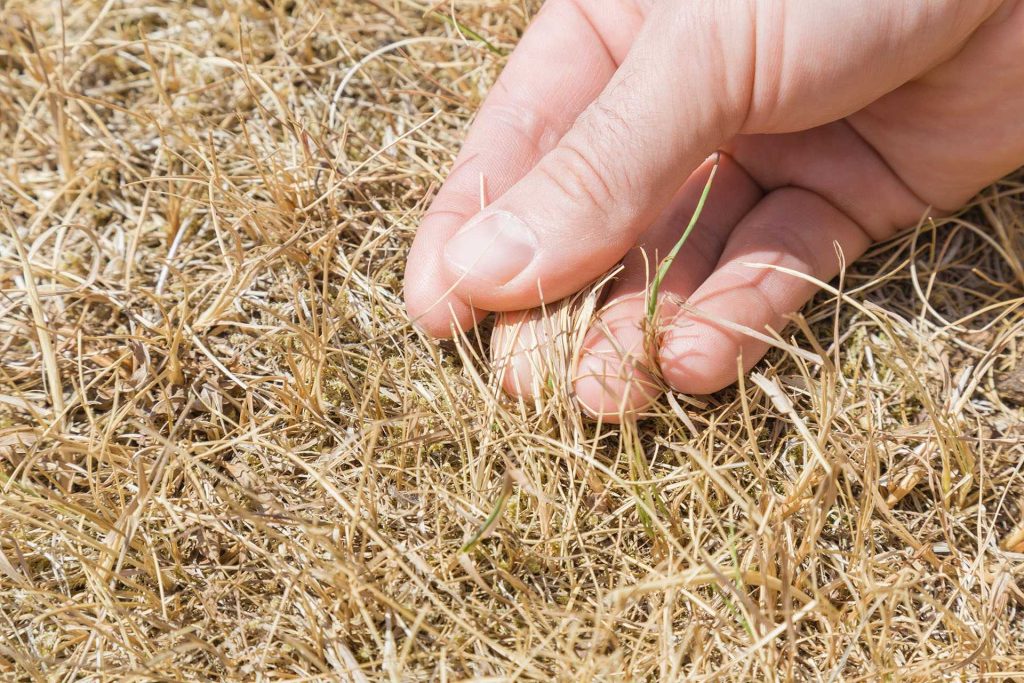
If you’re looking to keep your lawn green and healthy during dry conditions, the key is to adopt some smart watering and maintenance strategies. Begin by watering deeply but less frequently to encourage deep root growth. Consider mowing at a higher height to promote shade and reduce moisture loss. Mulching your lawn clippings can also help retain moisture in the soil. Incorporating drought-resistant grasses or plants can provide some resilience during extreme conditions. Additionally, timing your watering for early morning can prevent evaporation and ensure your lawn gets the moisture it needs. With the right approach, you can maintain a vibrant lawn, even when the weather isn’t cooperating.
Caring for your lawn during dry spells doesn’t have to be a daunting task. With a little effort and some clever techniques, you can keep your grass thriving despite the lack of rainfall. Understanding the specific needs of your lawn and adjusting your care routine accordingly is essential. The combination of proper watering, mowing height, and lawn health management can work wonders. Let’s delve deeper into effective strategies to ensure your lawn remains lush and inviting, no matter how hot and dry it gets.

“`html
How To Care For Your Lawn In Dry Conditions
Caring for your lawn during dry conditions can be challenging, but with the right strategies, it’s possible to keep your grass healthy and green. When the weather becomes dry, grass requires special attention to survive and thrive. Here we will explore effective methods to maintain your lawn amidst drought.
Understanding Your Lawn Type
Before you can effectively care for your lawn, it’s important to understand the type of grass you have. Different grass types have different needs when it comes to water and nutrients.
- Cool-season grasses: These grasses, such as Kentucky bluegrass and fescue, thrive in cooler temperatures and need regular moisture.
- Warm-season grasses: Examples include Bermuda and zoysia. They flourish in hot weather and can tolerate dry spells better than cool-season grasses.
Identifying your grass type will help you tailor your lawn care practices accordingly.
Watering Techniques for Dry Conditions
Watering is the most critical aspect of lawn care in dry weather. Here are the best practices to ensure your lawn receives adequate hydration.
The Right Time to Water
Watering your lawn at the right time can make a significant difference in how well your grass absorbs moisture.
- Early morning: Watering between 6 AM and 10 AM is ideal. The sun is lower, and evaporation rates are reduced.
- Deep and infrequent: It’s better to water deeply two to three times a week rather than lightly every day.
This method encourages deep root growth, which will help your lawn withstand drought conditions.
How Much Water Does Your Lawn Need?
The amount of water your lawn needs depends on various factors, including grass type, soil type, and weather conditions.
- General guideline: Lawns typically require about 1 inch of water per week.
- Soil moisture check: Use a soil moisture meter or stick your finger into the ground to assess moisture levels.
Adjust your watering schedule based on these assessments.
Soil Health Matters
Healthy soil is crucial for your lawn’s overall health. Improving soil quality can enhance moisture retention and nutrient levels.
Testing Your Soil
Conducting a soil test can help you understand its pH and nutrient content.
- How to test: You can buy a soil testing kit at a garden center or send a sample to a lab.
- Adjusting pH: If your soil is too acidic or alkaline, you can amend it with lime or sulfur.
Knowing your soil composition will help you make informed decisions about fertilization and watering.
Adding Organic Matter
Incorporating organic matter like compost can improve soil structure.
- Benefits: Organic matter increases nutrient availability and helps retain moisture.
- How to apply: Spread a thin layer of compost over your lawn once or twice a year.
This practice enhances the soil’s ability to support your grass during dry spells.
Choosing the Right Fertilizer
Fertilizing your lawn correctly is vital for its resilience during dry conditions.
Types of Fertilizers
Choosing the right fertilizer can impact your lawn’s health. Consider the following options:
- Slow-release fertilizers: These provide a steady supply of nutrients over time, which is excellent for long-lasting health.
- Liquid fertilizers: These can give your grass an immediate boost but may require more frequent applications.
Opt for fertilizers with higher potassium content to enhance drought resistance.
Timing Your Fertilizing
When you fertilize is just as important as what you use.
- Spring application: Apply fertilizer in early spring to promote growth before the heat hits.
- Late summer: A light application in late summer can help your lawn recover from heat stress.
Avoid fertilizing in the peak heat of summer, as this can stress your grass further.
Implementing Lawn Maintenance Practices
Regular maintenance is key to keeping your lawn healthy in dry conditions.
Mowing Height
The height at which you mow your lawn can significantly impact its ability to retain moisture.
- Keep it higher: Mow your grass to a height of 3 to 4 inches. This allows for deeper roots and better moisture retention.
- Mow less frequently: In dry conditions, let the grass grow a bit longer before mowing.
Adjusting your mowing habits can help your lawn survive heat and drought.
Overseeding
Overseeding can rejuvenate your lawn.
- When to overseed: Early spring or early fall are ideal times to introduce new grass seeds.
- Choosing drought-tolerant seeds: Look for varieties that can withstand dry conditions.
This practice helps thicken your lawn, improving its overall resistance to drought.
Dealing with Weeds and Pests
Dry conditions can lead to an increase in weeds and pests, which can harm your lawn.
Weed Control
A healthy lawn is less susceptible to weeds.
- Preventative measures: Maintaining a thick lawn can prevent weeds from establishing.
- Hand-pulling: For a small number of weeds, hand-pulling can be effective.
Avoid using harsh chemicals, especially during dry spells, as they can further stress your grass.
Pest Management
Keep an eye out for pests like grubs and chinch bugs during dry weather.
- Signs of pests: Look for brown patches or grass that pulls up easily.
- Organic controls: Consider using beneficial nematodes or plant-based insecticides.
Being proactive about pest control can save your lawn from significant damage.
Using Mulch and Other Ground Covers
Mulching can help retain moisture in your lawn and garden beds.
Benefits of Mulching
Using mulch has several benefits.
- Water retention: Mulch helps keep the soil moist and reduces evaporation rates.
- Temperature regulation: It helps insulate the soil, keeping it cooler during hot weather.
Organic mulch options include wood chips, straw, or grass clippings.
Ground Covers
Consider planting drought-tolerant ground covers in areas that receive heavy foot traffic or are difficult to water.
- Examples: Creeping thyme, sedum, and clover are excellent options.
- Benefits: They help retain soil moisture and require minimal maintenance.
These alternatives can complement your lawn and provide a resilient landscape.
In summary, caring for your lawn in dry conditions requires thoughtful planning and consistent practices. By understanding your lawn type, watering appropriately, maintaining soil health, and practicing effective lawn care techniques, you can keep your lawn thriving even in challenging weather. Taking these steps not only preserves the beauty of your lawn but also contributes to a healthier environment as a whole. Remember to stay observant and adjust your strategies as needed, ensuring your lawn remains resilient and green through any drought.
“`
How to Care for a Lawn in Drought Conditions
Frequently Asked Questions
What are the signs that my lawn needs water?
Look for signs such as a dull or bluish-green color, grass blades that curl or fold, and footprints that remain visible after walking on the lawn. If the soil feels dry and crumbly when you dig down a few inches, it’s also a clear indication that your lawn requires water.
How often should I water my lawn in dry conditions?
During dry conditions, water your lawn deeply but infrequently. Aim for about 1 to 1.5 inches of water per week, including rainfall. Water early in the morning to reduce evaporation and allow the grass to absorb moisture before the heat of the day.
What type of mower should I use to maintain my lawn in dry conditions?
Use a mower with sharp blades to ensure a clean cut. A higher mowing height can help the grass retain moisture better, so adjust your mower to keep the grass blades longer. This practice encourages deeper root growth and reduces stress on the lawn.
Are there specific fertilizers that work better during dry spells?
Choose slow-release fertilizers that provide nutrients gradually over time. Avoid high nitrogen fertilizers, as they can encourage rapid growth that requires more water to sustain. Look for fertilizers designed for drought conditions, as they help improve the grass’s drought resistance.
How can I improve soil moisture retention in my lawn?
Incorporate organic matter, such as compost, into your soil to enhance its structure and moisture retention capabilities. Aerating your lawn can also help, as it allows water and nutrients to penetrate deeper into the soil. Additionally, consider adding mulch around garden beds to reduce evaporation.
Should I aerate my lawn during dry conditions?
Aerating your lawn during dry conditions can be beneficial, as it helps relieve soil compaction and allows water to reach the roots more easily. Just be cautious not to do it during extreme drought, as this could further stress the grass. Aim for aeration during periods of moderate dryness to maximize benefits.
Final Thoughts
Maintaining a healthy lawn in dry conditions requires careful attention. Prioritize deep watering to encourage root growth, and mow at a higher setting to promote shade for the grass. Incorporating mulch can help retain moisture and reduce evaporation.
Additionally, limit foot traffic on your lawn during dry spells to prevent stress on the grass. By implementing these strategies, homeowners can effectively care for their lawn in dry conditions. Following these tips will ensure your lawn remains vibrant and resilient even in challenging weather.