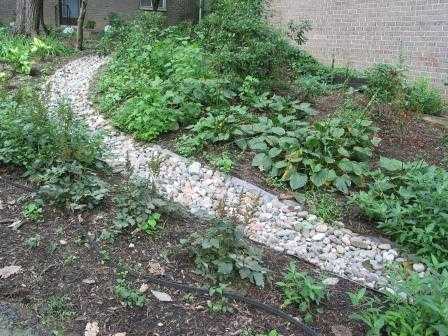
To effectively redirect water runoff from your lawn, install strategic barriers like swales, berms, or channels to guide excess water away from vulnerable areas. Regularly maintaining your landscape by grading the yard and planting water-absorbing vegetation can also significantly reduce pooling. Combining these methods ensures your lawn stays healthy and prevents erosion or water damage.
Controlling water runoff from your lawn might seem challenging, but with the right approach, you can manage excess water efficiently. By understanding how to create proper drainage solutions and utilizing natural landscaping techniques, you can protect your yard from flooding and soil erosion. Proper planning and simple modifications make a big difference in keeping your lawn safe and well-drained, no matter how heavy the rain gets.
Imagine a lush, beautiful lawn that stays healthy and free of water pooling no matter the weather. If you’re tired of muddy patches, erosion, or soggy spots ruining your landscape, redirecting water runoff is the solution. The good news is, you don’t need complicated or expensive fixes—just some thoughtful adjustments to your yard’s layout and natural elements. From installing gentle slopes to creating water channels, these simple steps can turn a problematic area into an efficient drainage system. Whether you’re dealing with a small yard or a large property, understanding how to guide excess water away will help you maintain a resilient and attractive outdoor space.

How to Redirect Water Runoff from Lawn
Managing water runoff from your lawn is essential for maintaining a healthy yard and preventing damage to your property. Properly redirecting excess water can stop erosion, reduce flooding, and protect your home’s foundation. This guide will walk you through simple steps and effective methods to control water flow on your lawn.
Understanding how water moves across your yard is the first step. Rainwater naturally follows the path of least resistance, which can cause water to pool or flow toward unwanted areas. By creating barriers or channels, you can guide water safely away from problem zones.
Let’s explore practical ways to redirect water runoff, starting with basic strategies and advancing to more complex solutions for larger issues.
Assessing Your Lawn’s Water Flow
Before making changes, observe how water moves on your lawn during a rainstorm. Use a garden hose to simulate rain if needed. Watch where water pools or flows toward your house or other structures.
Identify problem spots such as low areas, slopes, or spots where water tends to collect. Mark these areas for targeted solutions later.
Examine your yard’s grade or slope. A gentle incline can help water drain naturally, but flat areas might need additional features to encourage runoff.
Basic Techniques for Redirecting Water
Creating a Swale
A swale is a shallow, wide ditch that diverts water away from problem zones. Dig a gentle slope in the desired direction and fill it with grass or mulch. This slows down water flow and directs it safely.
Using Berms and Mounds
Berms are raised barriers made of soil or other materials placed to block or redirect water. Position a berm along the edge of your lawn to push runoff away from sensitive areas.
Ensure berms are shaped properly with a gentle slope on the backside to prevent water from flowing over. Planting grass on berms can help stabilize the soil and prevent erosion.
Installing Proper Drainage Systems
French Drains
A French drain is a pipe buried underground surrounded by gravel that collects and guides water away from your lawn. It’s effective in low-lying areas with poor natural drainage.
To install, dig a trench following the slope, lay the perforated pipe, cover with gravel, and backfill with soil. Connect the drain to a storm sewer or a safe discharge point.
Surface Drains and Grates
Surface drains are grated openings placed at strategic points to catch and direct runoff. Connect these drains to underground pipes to lead water away.
Position surface drains at low points or where water tends to pool for the best results.
Using Landscaping to Improve Drainage
Grading Your Lawn
Proper grading ensures water flows away from your foundation and toward designated drainage areas. Slope the yard gently away from the house at least 2 percent grade.
Reshape the soil to create a gradual slope, avoiding abrupt dips or hills that can cause pooling.
Adding Plantings and Ground Cover
Planting grasses and ground cover can absorb excess water and slow runoff. Use deep-rooted plants in areas prone to erosion.
Incorporate rain gardens in depressions to capture and filter runoff naturally.
Creating Effective Drainage Channels
Channels are shallow trenches designed to direct water away from specific zones. Use a shovel or trencher to dig channels that lead runoff toward appropriate outlets.
Line channels with stones or landscape fabric to prevent erosion and improve durability. Make sure the channels slope gently to prevent stagnation.
Regularly clear debris from channels to maintain proper flow.
Additional Tips for Managing Water Runoff
- Maintain gutters and downspouts: Ensure they are clear of debris and direct water at least three to four feet away from your foundation.
- Use rain barrels: Collect rainwater from downspouts for future use while reducing runoff volume.
- Limit impervious surfaces: Use permeable pavers or gravel in driveways and walkways to allow water to seep into the ground.
- Regular inspection: Keep an eye on drainage features and repair any damage promptly.
Maintaining and Improving Your Drainage System
Regularly inspect all drainage features for clogs or erosion and clear debris as needed. Replenish gravel and repair berms or channels to retain their effectiveness.
Over time, soil may settle or erode, requiring regrading or reinforcement. Keeping your landscape healthy helps sustain proper water flow.
Consult with landscaping or drainage professionals for complex issues that don’t respond to DIY solutions.
Choosing the Right Solution for Your Yard’s Needs
Each yard has unique drainage challenges, so select methods suited to your property. Small, flat yards benefit from simple grading and planting, while larger or more problematic areas may need a combination of techniques.
Consider the volume of water, yard slope, and existing features when planning your drainage system.
Combining multiple approaches often provides the best results for redirecting water effectively and maintaining a healthy lawn.
Final Thoughts on Water Runoff Management
Properly redirecting water runoff protects your yard, prevents erosion, and preserves your home’s foundation. Start with a thorough assessment and choose the methods best suited to your property.
Implementing a combination of grading, drainage systems, and landscaping can significantly improve your yard’s water flow. Keep up with regular maintenance to ensure all features work properly over time.
Taking these steps will keep your lawn healthy, reduce water damage risk, and create a safer outdoor space for your family and pets.
Frequently Asked Questions
What are effective ways to prevent water from pooling on my lawn?
To prevent water from pooling, consider contouring your yard to direct runoff away from low spots. Installing a French drain or a dry creek bed can also efficiently carry excess water to a suitable drainage area. Regularly inspecting and maintaining your lawn’s grading ensures water flows naturally without accumulating.
How can I use landscaping features to redirect water away from my property?
Creating berms or raised beds in strategic locations can guide water toward desired drainage points. Planting rain gardens with water-tolerant plants helps absorb runoff, reducing pooling. Additionally, adding swales—shallow ditches with gentle slopes—can direct water along specific paths and prevent erosion.
What tools or materials are recommended for redirecting water runoff effectively?
Use perforated pipes and gravel for constructing French drains that channel water underground. Landscape fabric can help prevent soil clogging around drainage systems. Incorporating sturdy edging materials like concrete or stone can help maintain dividers that direct water flow and prevent erosion over time.
Final Thoughts
To redirect water runoff from lawn effectively, consider creating a diversion channel that directs water away from problem areas. Install a French drain or a swale to facilitate proper drainage and prevent pooling. Regularly maintaining these features ensures they work efficiently.
Proper grading of your lawn is essential; it should slope away from your house to prevent water from accumulating near foundations. Using barriers like rocks or landscaping edges helps control water flow.
How to redirect water runoff from lawn proves crucial in maintaining a healthy yard. Implement these strategies to protect your home and landscape from water damage.