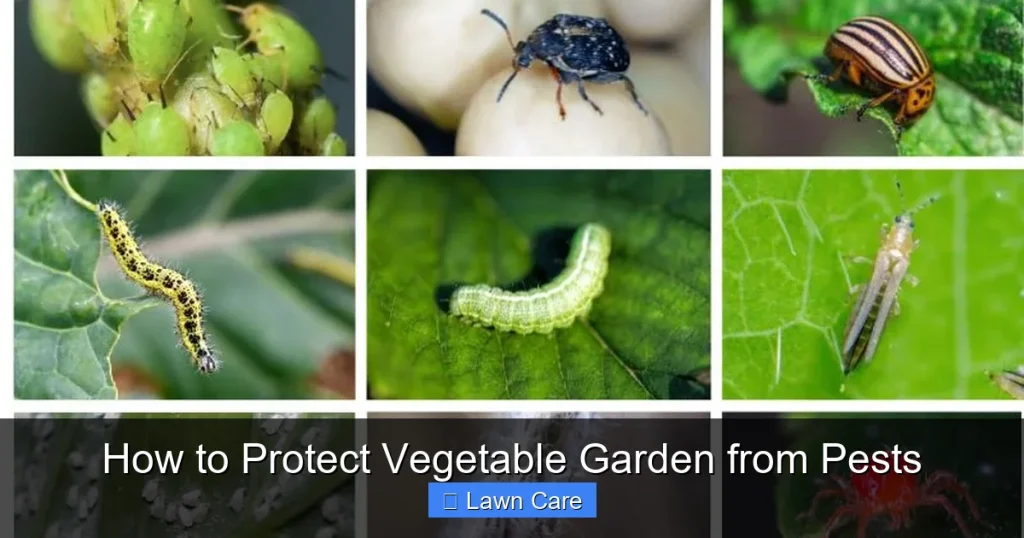
Protecting your vegetable garden from pests is crucial for a bountiful harvest. This guide covers proactive strategies like choosing pest-resistant varieties and maintaining garden health, alongside reactive measures such as physical barriers and natural repellents. By implementing these methods, you can significantly reduce pest damage and enjoy fresh, healthy vegetables all season long.
Welcome to your ultimate guide on protecting your vegetable garden from unwelcome visitors! Growing your own vegetables is incredibly rewarding, but it can be frustrating when pests munch on your hard-earned produce. This guide will equip you with the knowledge and practical techniques to keep your garden healthy and your harvest plentiful. We’ll cover everything from understanding your enemy to implementing effective, often organic, solutions. Let’s dive in and learn how to protect your delicious vegetables!
- Proactive Prevention is Key: Start by selecting disease and pest-resistant vegetable varieties and ensuring your garden soil is healthy and well-drained. A strong, healthy plant is less attractive to pests.
- Understand Your Pests: Identify the common pests in your area and the specific damage they cause. This knowledge helps in choosing the most effective control methods.
- Embrace Physical Barriers: Utilize row covers, netting, and cloches to physically block pests from reaching your plants. These are particularly effective for vulnerable seedlings and specific crops.
- Encourage Beneficial Insects: Attract natural predators like ladybugs, lacewings, and predatory wasps by planting companion flowers. These beneficial insects will help keep pest populations in check.
- Employ Organic Controls: Use natural deterrents and insecticides derived from plants or minerals, such as neem oil, insecticidal soap, or garlic spray, as a less toxic alternative to chemical pesticides.
- Practice Good Garden Hygiene: Regularly remove weeds and diseased or damaged plant material. Clean up fallen leaves and debris, as these can harbor pests and diseases.
- Crop Rotation is Essential: Avoid planting the same vegetables in the same spot year after year. This disrupts pest life cycles and prevents soil-borne diseases from building up.
Understanding the Threat: Know Your Pests
Before you can effectively protect your garden, it’s important to know what you’re up against. Different pests target different plants and cause specific types of damage. Common garden pests include:
- Insects: Aphids, slugs, snails, caterpillars (like cabbage worms and tomato hornworms), flea beetles, squash bugs, cucumber beetles, bean beetles, and spider mites.
- Larger Pests: Rabbits, deer, squirrels, and groundhogs.
Observing your plants regularly is the first step. Look for signs of damage like chewed leaves, holes in fruits, wilting, or the presence of the pests themselves. Early detection is key to successful pest management.
Step 1: Building a Healthy Foundation for Pest Resistance
A strong, healthy plant is the best defense against pests. Focus on creating an environment where your vegetables can thrive.
Optimize Soil Health
Healthy soil provides plants with the nutrients they need to grow strong.
- Amend Your Soil: Incorporate plenty of organic matter, like compost or well-rotted manure, into your soil. This improves drainage, aeration, and nutrient content. You can learn more about how to improve drainage in your vegetable garden to prevent issues that can stress plants and make them more susceptible to pests.
- Proper pH: Test your soil’s pH and adjust it as needed for the vegetables you are growing. Most vegetables prefer a slightly acidic to neutral pH.
Choose the Right Varieties
Some vegetable varieties are naturally more resistant to certain pests and diseases.
- Resistant Cultivars: When purchasing seeds or seedlings, look for varieties labeled as “disease-resistant” or “pest-resistant.” These have been bred to withstand common problems.
- Local Adaptability: Opt for varieties that are well-suited to your local climate and growing conditions. Plants that are happy in their environment are generally stronger.
Smart Planting Strategies
How and where you plant can also make a difference.
- Crop Rotation: This is a vital practice. Avoid planting the same vegetable family in the same spot year after year. This helps prevent the buildup of soil-borne pests and diseases. For example, if you planted tomatoes (nightshade family) in a certain bed this year, don’t plant tomatoes, peppers, or eggplants there next year. Instead, rotate with a different plant family like legumes or root vegetables. This is also important when considering planting a vegetable fall garden; plan your rotations across seasons.
- Companion Planting: Certain plants can deter pests or attract beneficial insects when planted near susceptible vegetables. For instance, marigolds are known to deter nematodes, and basil can repel flies and mosquitoes. Nasturtiums can act as a trap crop for aphids, drawing them away from your main vegetables.
Step 2: Implementing Physical Barriers
Physical barriers are a simple yet highly effective way to keep pests off your plants without using any chemicals.
Row Covers and Netting
These lightweight fabrics or nets can be draped directly over plants or supported by hoops.
- Protection from Flying Insects: Row covers are excellent for protecting crops like broccoli, cabbage, and carrots from cabbage moths, flea beetles, and carrot rust flies.
- Barrier for Larger Pests: Fine-mesh netting can be used to protect berry bushes and fruit trees from birds and larger insects. For larger garden areas, consider fencing to keep out rabbits and deer.
- Beneficial for Seedlings: Young seedlings are particularly vulnerable. Row covers offer protection until they are more robust.
Cloches and Collars
These are often used for individual plants or small groups.
- Seedling Protection: Cloches (like cut plastic bottles or glass jars) can protect young plants from slugs, snails, and cutworms.
- Stem Protection: Cardboard collars placed around the base of young plants can prevent cutworms from severing stems at the soil line.
Hand-Picking Pests
For larger, more visible pests, good old-fashioned hand-picking is very effective.
- Targeting Caterpillars and Slugs: Take a walk through your garden in the early morning or late evening, when many of these pests are most active, and pick them off by hand. Drop them into a bucket of soapy water.
- Aphid Removal: You can often simply blast aphids off plants with a strong stream of water from your hose.
Step 3: Encouraging Natural Predators
Nature provides its own pest control service! Attracting beneficial insects to your garden can significantly reduce pest populations.
Planting for Beneficials
Certain plants act as a buffet and shelter for natural pest predators.
- Flowering Plants: Plant flowers like dill, fennel, yarrow, cosmos, sunflowers, and sweet alyssum. These provide nectar and pollen for beneficial insects such as ladybugs, lacewings, hoverflies, and parasitic wasps.
- Avoid Pesticides: Never use broad-spectrum pesticides in your garden, as they kill both pests and their natural enemies. If you need to use a pesticide, opt for targeted, organic options. You can explore options for controlling lawn pests organically, which often have principles that apply to gardens too.
Providing Habitat
Give these helpful creatures a place to live.
- Water Source: A shallow dish of water with pebbles or marbles can provide a safe drinking spot for insects.
- Leave Some Mess: In the fall, consider leaving some plant debris or leaf litter in certain areas of your garden to provide overwintering habitat for beneficial insects.
Step 4: Using Organic and Natural Pest Controls
When other methods aren’t enough, organic pest controls offer effective solutions with minimal environmental impact.
Homemade Sprays
You can easily create your own natural pest deterrents.
- Garlic Spray: Blend several cloves of garlic with water, let it steep, strain, and spray on plants. The strong scent repels many insects.
- Pepper Spray: Mix a few tablespoons of cayenne pepper or hot sauce with a gallon of water. This can deter larger pests and some insects.
- Soap Spray: A simple solution of mild liquid soap (like pure castile soap, not detergent) and water can be effective against soft-bodied insects like aphids and spider mites. Make sure to test on a small area of the plant first.
Commercial Organic Pesticides
Several effective organic options are available at garden centers.
- Neem Oil: Derived from the neem tree, this oil disrupts insect growth and feeding. It’s effective against a wide range of pests, including aphids, mites, and whiteflies. Always follow label instructions carefully.
- Insecticidal Soap: Similar to homemade soap spray, these formulations are designed to kill insects on contact by breaking down their outer shells.
- Diatomaceous Earth (DE): This is a powder made from fossilized diatoms. It works by abrading the exoskeletons of insects, causing them to dehydrate. Use the food-grade variety and apply it when plants are dry. Avoid inhaling the dust.
Mineral-Based Controls
Some natural minerals can also help.
- Kaolin Clay: Applied as a spray, kaolin clay forms a protective film on plant surfaces. This film irritates insects and makes it difficult for them to feed or lay eggs. It’s effective against pests like cucumber beetles and thrips.
Step 5: Maintaining Garden Hygiene
A clean garden is a healthy garden, and one that is less appealing to pests.
Regular Weeding
Weeds compete with your vegetables for water and nutrients. They also provide hiding places for pests and can harbor diseases.
- Consistent Removal: Make weeding a regular part of your garden maintenance routine. Address weeds when they are small and easier to remove.
- Prevent Seed Spread: Try to remove weeds before they go to seed to prevent them from spreading further.
Sanitation is Key
Keep your garden tidy.
- Remove Diseased or Damaged Plants: Promptly remove any plants that show signs of disease or significant pest damage. Do not compost these materials; dispose of them in your municipal waste to avoid spreading problems.
- Clean Up Debris: After the growing season, clear away fallen leaves, spent plants, and other garden debris. This removes overwintering sites for many pests. This is crucial for successful winterization and how to winterize your vegetable garden for the following year.
Watering Wisely
Proper watering contributes to plant health and can deter some pests.
- Avoid Overwatering: Soggy soil can lead to root rot and fungal diseases, weakening plants. Ensure good drainage. You can find more information on how to improve drainage in your vegetable garden.
- Water at the Base: Water the soil directly at the base of your plants, rather than overhead. Wet foliage can encourage fungal diseases and provide a damp environment for slugs and snails. Refer to guides on how often to water your vegetable garden for best practices.
Troubleshooting Common Pests
Here are some solutions for a few common garden adversaries:
Aphids
- Identification: Small, soft-bodied insects, often green, black, or brown, found clustered on new growth and undersides of leaves. They suck sap, causing distorted growth.
- Solutions: Blast off with water, use insecticidal soap, or introduce ladybugs. Planting dill and fennel nearby can attract ladybugs.
Slugs and Snails
- Identification: Leave slime trails and chew ragged holes in leaves and fruits, especially at night or on damp days.
- Solutions: Hand-pick at night, use beer traps (shallow containers filled with beer), create barriers with crushed eggshells or copper tape, or use diatomaceous earth.
Tomato Hornworms
- Identification: Large green caterpillars with a “horn” on their rear end. They can defoliate tomato plants rapidly.
- Solutions: Hand-pick them. If you see hornworms with small white cocoons on their backs, leave them be – these are parasitic wasps, which are beneficial.
Squash Bugs and Vine Borers
- Identification: Squash bugs damage squash and related plants by sucking sap. Vine borers tunnel into the stems of squash plants, often causing them to wilt and die suddenly.
- Solutions: For squash bugs, hand-pick them and their eggs. Row covers can protect young plants. For vine borers, inspect stems regularly for holes and inject Bt (Bacillus thuringiensis) into borer holes if found.
Conclusion
Protecting your vegetable garden from pests is an ongoing process, but by employing a combination of proactive strategies and responsive measures, you can achieve a healthy, thriving garden. Remember that a balanced ecosystem, where beneficial insects and healthy plants coexist, is your greatest ally. Embrace organic methods, be observant, and enjoy the satisfaction of harvesting your own delicious, pest-free vegetables! Happy gardening!