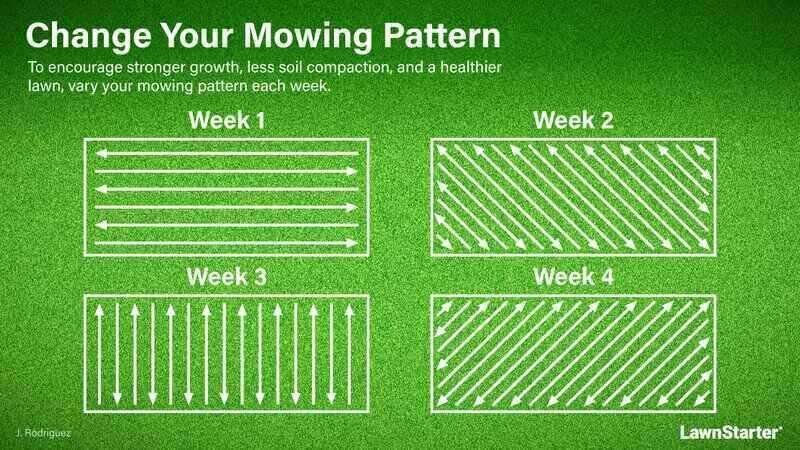
To achieve a lush, healthy lawn, always mow at the right height, use sharp blades, and follow a regular cutting schedule. Pay attention to the direction you mow each time to prevent soil compaction and grass damage, and don’t forget to leave grass clippings on the lawn for natural fertilization. Proper mowing isn’t just about trimming; it’s about nurturing your grass to stay green and resilient all season long.
Mowing your lawn properly can transform your yard into a vibrant green retreat. The key is understanding the right height for your grass type, keeping your mower blades sharp, and mowing regularly to avoid stress on your lawn. By following simple tips, you’ll promote healthy growth, prevent weeds, and keep your lawn looking its best. Let’s explore how to master the art of mowing and keep your outdoor space inviting and beautiful.

How to Properly Mow Your Lawn for a Healthy and Beautiful Yard
Understanding the Importance of Proper Mowing
Proper mowing is essential for maintaining a lush, green, and healthy lawn. When done correctly, mowing promotes thick grass growth and prevents pests and diseases. It also helps keep your yard looking neat and inviting.
Choosing the Right Mowing Height
The height at which you cut your grass influences its health significantly. Most grasses thrive when mowed to a height of about 2.5 to 4 inches. Taller grass shades roots and reduces weed growth, keeping your lawn healthier naturally.
Types of Grass and Recommended Heights
Different grass types thrive at various heights:
- Cool-season grasses like Kentucky bluegrass prefer 2.5 to 3.5 inches
- Warm-season grasses such as Bermuda need around 1.5 to 2.5 inches
Adjust your mowing height based on your grass type for the best results.
How Frequently Should You Mow?
Frequency depends on grass growth rate, typically influenced by weather and season. During peak growing times, you may need to mow once a week. In cooler months or dry periods, every two weeks might be enough.
Signs You Need to Mow
Check your lawn regularly. If the grass reaches about one-third taller than your desired mowing height, it’s time to cut. This prevents stressing the grass and promotes lush growth.
Proper Mowing Techniques for a Healthy Lawn
Using the right techniques ensures you don’t harm your lawn while mowing. Keep your mower blades sharp, and avoid removing more than one-third of the grass blade in a single mow.
Blade Maintenance
Sharpen mower blades at least twice during the mowing season to ensure clean cuts. Dull blades tear grass, making it susceptible to disease.
Cutting Patterns for Even Growth
Change your mowing pattern regularly. Mowing in the same direction can create ruts and uneven growth. Switch between vertical, horizontal, and diagonal directions for a uniform look.
How to Mow for Lawn Health and Appearance
Set your mower to the correct height before starting. Use steady, overlapping passes to avoid missing spots. Do not rush — slow and steady ensures better results.
Adjusting Mower Speed and Technique
Move at a moderate pace to avoid scalping or uneven cuts. Let the mower do the work, and avoid pushing too hard.
Dealing with Clippings and Thatch
Grass clippings can be beneficial if managed correctly. Use a mulching mower or rake up excess clippings to prevent thatch buildup, which can smother grass roots.
Benefits of Mulching
Mulching grass returns nutrients to the soil, promoting healthy growth. It also helps retain moisture and reduces the need for additional fertilizers.
Smart Mowing Practices to Promote Lawn Resilience
Avoid mowing when the grass is wet, as it can lead to uneven cuts and ruts. Mow during dry periods for best results. Also, refrain from mowing during periods of drought or extreme heat to minimize stress.
Seasonal Mowing Tips
In spring and early summer, mow more frequently to handle rapid growth. In fall, gradually lower the mower height to prepare for winter dormancy.
Additional Tips for a Green and Healthy Lawn
Regular watering, fertilizing, and aerating complement proper mowing. Water deeply and infrequently to encourage deep roots. Use fertilizers suited to your grass type and soil conditions.
Common Lawn Problems and How Mowing Can Help
Proper mowing can prevent common issues like weed invasion and disease. Maintaining optimal height and mowing frequency reduces weed seed dispersal and minimizes disease spread.
Tools and Accessories to Enhance Your Mowing Routine
Invest in a quality lawn mower suited to your yard size and terrain. Consider a reel mower for small lawns and a riding mower for large areas. Use edging tools for clean borders.
Additional Equipment for Better Lawn Maintenance
Tools like aerators, dethatchers, and grass trimmers help maintain a tidy and healthy lawn. Regular maintenance of your equipment ensures efficient and effective mowing.
Summary of Key Points for Proper Mowing
- Adjust mower height based on grass type
- Cut no more than one-third of grass blade height at once
- Sharpen blades regularly
- Change mowing patterns to avoid ruts and uneven growth
- Match mowing frequency to grass growth rate
- Manage grass clippings properly to prevent thatch buildup
- Keep equipment well-maintained for best results
Additional Tips for a Lush, Healthy Lawn
Combining proper mowing with watering, fertilizing, and aeration creates the ideal environment for grass to thrive. Always consider weather and seasonality to adapt your routine effectively.
Maintenance Schedule for a Beautiful Lawn
Create a mowing and lawn care schedule based on your grass type and local climate. Consistency is key to achieving a resilient, green, and attractive yard.
By following these detailed guidelines on how to properly mow your lawn, you can keep your yard looking its best all year round. Regular, thoughtful mowing practices promote healthy grass growth, reduce weeds, and give your lawn a neat, manicured appearance.
How to Mow a Lawn CORRECTLY
Frequently Asked Questions
What is the best mowing height for different types of grass?
Choosing the right mowing height depends on your grass type. For cool-season grasses like Kentucky bluegrass and fescue, aim to cut about 2.5 to 3 inches tall. Warm-season grasses such as Bermuda or Zoysia should be kept shorter, around 1 to 2 inches. Maintaining appropriate height encourages healthy root growth, reduces disease risk, and promotes a lush, green lawn. Always adjust your mower to the recommended height specific to your grass type for optimal results.
How often should I mow my lawn during the growing season?
The frequency of mowing depends on the growth rate of your grass. During peak growing seasons, usually spring and early summer, you may need to mow once a week or more to keep your lawn tidy. In cooler months or when growth slows, mowing every 10 to 14 days might suffice. Avoid cutting the grass too short at once; instead, aim for regular cutting to maintain health and prevent stress on the plants.
What techniques can I use to ensure a clean and healthy cut?
To achieve a clean cut, always keep your mower blades sharp. Dull blades tear the grass instead of cutting cleanly, leading to damage and a ragged appearance. Mow in different directions each time to prevent soil compaction and encourage upright growth. Avoid cutting more than one-third of the grass height at a time to prevent stress. Additionally, clear debris and leaves regularly to allow for an unobstructed cut and promote healthy growth.
Should I mow when the grass is wet or dry?
It is best to mow when the grass is dry. Wet grass tends to clump, making it harder to get a clean cut and potentially clogging your mower. Mowing on dry days also reduces the risk of slipping and ensures an even cut. If you must mow when the grass is wet, do so carefully, and consider using a catcher or bagger to manage clippings effectively.
How can I prevent soil compaction while mowing?
To prevent soil compaction, avoid mowing on excessively wet ground, which can put stress on the soil structure. Use a mower with proper weight distribution and avoid unnecessary passes over the same area. Keep mower blades sharp to reduce the need for multiple passes. Additionally, aerate your lawn regularly to relieve compaction and promote healthy root development. Proper mowing techniques combined with lawn maintenance practices help maintain healthy soil and grass growth.
Final Thoughts
To properly mow your lawn, always set your mower to the correct height for your grass type. Regular mowing encourages healthy growth and prevents pests. Use sharp blades for a clean cut, which promotes a lush, green lawn.
Avoid cutting too much at once; remove only one-third of the grass height each session. This practice helps maintain strong roots and a vibrant appearance.
In conclusion, understanding how to properly mow your lawn ensures a beautiful, healthy yard. Keep these tips in mind to achieve the best results every time.