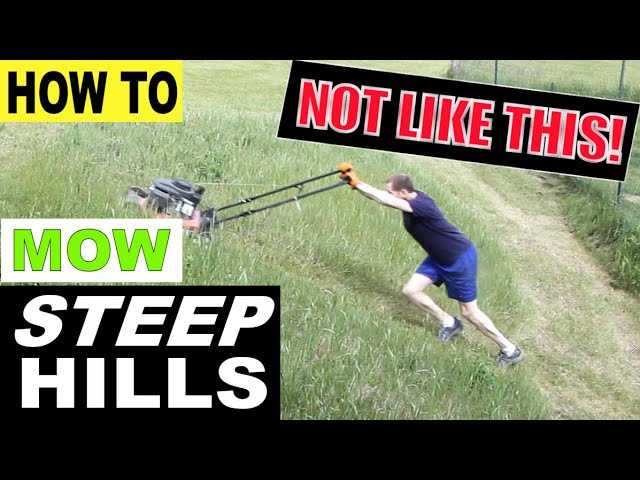
To mow a steep hill safely and effectively, always use a mower designed for slope work, mow across rather than up and down the incline, and take your time to ensure stability. Wearing sturdy footwear and maintaining steady, controlled movements is key to avoiding accidents.
If you’re dealing with a steep hill, the best approach is to use a mower with a low center of gravity, such as a self-propelled or tractor mower, and mow across the slope to prevent slipping. Always prioritize safety by checking your equipment and working slowly.
Mowing a steep hill can be challenging, but with the right tools and techniques, you can keep your yard looking lush without risking injury. Steep slopes require extra caution, so selecting the right mower and adopting safe mowing habits are essential. Starting right, understanding your terrain, and working methodically can make the task much easier and safer. Just remember to wear proper footwear, keep your mower in good condition, and take breaks if needed to maintain control and balance.

How to Mow Lawn on Steep Hill: A Complete Guide
Mowing a lawn on a steep hill can be a challenging task. It requires special techniques and equipment to do it safely and effectively. Whether your yard has a sharp incline or a gentle slope, understanding the best practices can help you achieve a neat and healthy lawn without risking injury or equipment damage.
Understanding the Risks of Mowing on a Steep Hill
Mowing on a slope increases the risk of slipping and falling. The uneven terrain can make your mower unstable, especially on a very steep incline. Falls can cause serious injuries, so safety should always come first. Additionally, mowing improperly can damage your grass or wear out your equipment faster.
Being aware of these risks helps you plan your mowing strategy carefully. The right approach minimizes accidents and keeps your lawn looking great.
Preparing Your Equipment for Hill Mowing
Select the Right Mower
For steep hills, a zero-turn mower with good traction or a self-propelled mower is ideal. These machines offer more control and stability. Consider models with large rear tires and powerful engines for better grip and performance.
Check and Maintain Your Mower
Before mowing, inspect your mower for worn blades or low tire pressure. Sharp blades ensure a clean cut, which promotes healthy grass growth. Also, check the oil, fuel, and safety features to make sure everything is in working order.
Safety Tips for Mowing on a Steep Hill
- Wear appropriate footwear: Choose sturdy shoes with good traction to prevent slipping.
- Use personal protective equipment: Safety glasses and gloves protect against debris and mower contact.
- Plan your mowing route: Mow up and down the slope rather than across it to reduce the risk of slipping.
- Avoid mowing wet grass: Wet conditions make slopes more slippery and dangerous.
- Keep a safe distance from slopes edge: Avoid mowing near steep drops to prevent falls.
Best Techniques for Mowing a Steep Slope
Mow in Straight Lines
Always mow in straight, vertical lines up and down the hill. This pattern reduces the chances of slipping and ensures even coverage. Avoid crossing the slope, which can destabilize your mower.
Adjust Mower Height
Set your mower at a higher cutting height on steep slopes. This prevents scalping the grass and helps the mower maintain stability. Regularly check and adjust the height for optimal results.
Use Proper Mowing Speed
Maintain a slow and steady pace when mowing on a hill. Rushing increases the risk of losing control. Take your time to navigate the terrain safely.
Techniques for Managing Different Steepness Levels
Gentle Slopes
For gentle slopes, standard mowers and techniques usually work well. Follow the same safety rules and mow in straight lines. Keep an eye on grass clippings to avoid clogging the mower.
Steep Slopes
On very steep hills, consider using specialized equipment like a trained push mower or a small, lightweight tractor. These machines provide better control and lessen the risk of tipping over.
Special Equipment for Hill Mowing
- Hand-push mowers: Best for very steep areas where riding mowers are unsafe.
- Tractor mowers with low center of gravity: Offer stability on uneven terrain.
- Slope mowers: Designed specifically for steep inclines with enhanced safety features.
Maintaining Your Lawn After Mowing
Proper post-mowing care helps your grass recover and stay healthy. Avoid walking on damp grass to prevent compacting the soil. Use grass trimmers carefully around edges and obstacles on slopes.
Consider aerating the soil and fertilizing to promote strong root growth, especially on slopes prone to erosion or runoff.
Additional Tips for Mowing on Steep Hills
- Schedule mowing during dry weather: Dry grass is easier to cut and less slippery.
- Trim edges and difficult spots manually: Use a string trimmer to reach tight corners or steep sections.
- Practice on less steep areas first: Build confidence and perfect your technique before tackling the slopes.
Dealing with Challenges on Steep Slopes
Preventing Erosion
Mowing can sometimes lead to soil erosion on slopes. To prevent this, keep your grass healthy and consider planting ground cover plants in particularly vulnerable areas.
Managing Uneven Terrain
Uneven ground can cause the mower to tilt or become unstable. Mark out uneven spots and navigate around them cautiously.
Environmental Considerations
Choose eco-friendly mowing practices that minimize runoff and soil disturbance. Use mulching blades to recycle grass clippings and avoid excessive fertilization that could wash away during rains.
Summary and Final Tips
Mowing on steep hills requires preparation, careful technique, and safety awareness. Always prioritize your safety above all. With the right tools and practices, you can keep your lawn healthy and attractive, no matter the terrain.
Take your time, follow our advice, and your hillside lawn will look great all season long. Remember, safety and patience are key to tackling slopes successfully.
How to Mow A Steep Hill
Frequently Asked Questions
What safety precautions should I take when mowing a very steep slope?
Always wear sturdy footwear with good traction to prevent slipping. Use a mower with a self-propelled feature to control speed easily. Keep your hands and feet away from moving blades, and avoid mowing wet grass to reduce the risk of slipping. Additionally, consider trimming the slope into manageable sections and work from the top down to maintain stability and control.
How can I choose the right mower for steep hills?
Select a mower designed for uneven terrain, such as a lawn tractor with four-wheel drive or a lightweight, maneuverable push mower with a high center of gravity. Look for models with large, wide tires that provide better grip and stability on slopes. Avoid heavy riding mowers that may tip over easily, and always prioritize equipment with safety features suited for hills.
What mowing techniques help prevent equipment from sliding on steep terrain?
Maintain a slow, consistent pace and avoid sudden turns on slopes. Mow across the hill rather than up and down to reduce the risk of slipping. Keep the mower blades at a consistent height to prevent uneven weight distribution. If the terrain is very steep, consider working in diagonal or zigzag patterns to improve traction and control.
Is it better to mow from the top or bottom of the hill?
It is safer to start mowing from the top of the slope and work your way down. This approach prevents you from being trapped at the bottom or on a steep section where control might be compromised. Mowing from the top also minimizes the risk of mower tipping over and allows you to better monitor ground conditions as you proceed.
How can I prevent soil erosion while mowing on steep slopes?
Use grass varieties that support strong root systems to hold the soil in place. Avoid mowing too short, as longer grass helps protect soil from erosion. Consider installing terraces or retaining walls to reduce slope steepness where possible. Additionally, never mow in wet conditions, which can disturb the soil further and cause erosion problems.
Final Thoughts
When mowing on a steep hill, ensure you wear sturdy footwear and start from the bottom to prevent slipping. Use a mower with self-propulsion or a mower designed for slopes to handle the terrain safely. Always mow across the slope, not up and down, to maintain stability.
Remember to take your time and avoid rushing to reduce the risk of accidents. Proper technique and caution make mowing on steep hills manageable and safe.
how to mow lawn on steep hill requires careful planning and safety measures, but with the right approach, you can keep your lawn tidy and safe.