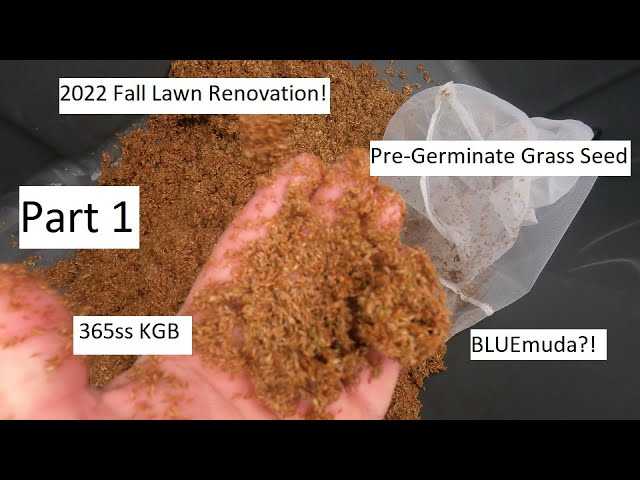
To pre-germinate Kentucky bluegrass, soak the seeds in warm water for 12-24 hours before planting, then keep them moist and warm until they sprout. This process boosts germination rates and ensures a lush, healthy lawn faster.
Pre-germinating Kentucky bluegrass is a great way to give your lawn a head start, especially if you want quicker results and better seed success. By soaking the seeds beforehand and maintaining optimal moisture and temperature, you can significantly improve germination rates. This method helps the seeds break dormancy more easily and speeds up the overall growth process, so your new grass can establish faster and stronger. Whether you’re planting a new lawn or overseeding, pre-germination is a simple yet effective step to ensure a vibrant, thick lawn that will thrive for years to come.

How to Pre Germinate Kentucky Bluegrass
Understanding Kentucky Bluegrass and Its Germination Process
Kentucky Bluegrass is a popular choice for lawns because of its lush green color and fine texture. To get a healthy, thick lawn, it’s important to start with good germination practices. Pre germinating Kentucky Bluegrass helps speed up the process and improves the chances of success.
Germination is the process where seed begins to sprout and grow into a new plant. It typically takes from 14 to 30 days for Kentucky Bluegrass seeds to sprout naturally. Pre germination involves treating the seeds before planting so they are ready to grow faster once they are in the soil.
Proper pre germination can lead to stronger seedlings, better root development, and a more even lawn. But, understanding the seed’s needs and the right techniques is essential for success. Let’s explore how to pre germinate Kentucky Bluegrass effectively.
Why Pre Germinate Kentucky Bluegrass?
Pre germinating Kentucky Bluegrass offers several advantages for lawn care. First, it shortens the time it takes for the seeds to sprout after planting. This means you see growth sooner, which helps establish your lawn quickly.
Second, pre germination can increase the seed’s overall germination rate. It ensures that more seeds develop into healthy seedlings, reducing waste and saving money.
Finally, pre germinating encourages uniform growth. Your lawn will look more even and dense, providing better coverage and reducing weed invasion. These benefits make pre germination a worthwhile step for those wanting a beautiful, healthy Kentucky Bluegrass lawn.
Materials Needed for Pre Germinating Kentucky Bluegrass
Before starting, gather all necessary materials. Here’s what you will need:
- High-quality Kentucky Bluegrass seed
- Clean container or tray with drainage holes
- Moisture-retentive growing medium like peat moss or seed-starting mix
- Water in spray bottles or a gentle watering can
- Plastic wrap or a clear cover
- Warm, bright location for germination
Having these materials ready will make the process smoother and more effective. Use fresh seed for the best results and ensure your containers are clean to prevent mold or disease.
Step-by-Step Guide to Pre Germinating Kentucky Bluegrass
Step 1: Prepare Your Seeds
Start by selecting healthy, high-quality Kentucky Bluegrass seeds. Soak the seeds in warm water for 12 to 24 hours. This helps soften the seed coat and kickstarts the germination process.
Step 2: Choose Your Growing Medium
Use a moist, well-draining medium like seed-starting mix or peat moss. Moisten the medium slightly until it’s damp but not soggy. Spread a layer of about 1 inch in your container.
Step 3: Plant the Seeds
Sprinkle the soaked seeds evenly over the prepared medium. Lightly press them into the surface to ensure good contact. Do not cover the seeds deeply; a light dusting of soil or just pressing them in is enough.
Step 4: Maintain Moisture
Mist the seeds with water using a spray bottle. Keep the medium moist at all times, but avoid overwatering. Cover the container with plastic wrap or a clear lid to trap humidity.
Step 5: Provide Proper Conditions
Place the container in a warm location with indirect sunlight. Ideal temperatures for Kentucky Bluegrass germination range from 65°F to 75°F (18°C to 24°C).
Step 6: Monitor and Care
Check the seeds daily to maintain moisture. Remove the cover once you see tiny sprouts emerging, usually within 10 to 15 days. Continue misting as needed to keep the medium moist.
Optimizing Conditions for Successful Germination
Maintaining the right environment is vital. Kentucky Bluegrass seeds germinate best in warm, moist conditions. Avoid direct sunlight during the initial sprouting stage since it can dry out the medium or cause uneven germination.
Ensuring good air circulation helps prevent mold growth. Keep the humidity high but not excessive. Using a humidity dome or plastic wrap helps retain moisture during germination, but remove it promptly once sprouts appear.
Temperature consistency is critical. Fluctuations can delay germination or cause uneven growth. Use a thermometer to keep the environment within the optimal range.
Post-Germination Care and Transition to Outdoor Planting
Once seeds have sprouted, gradually introduce them to more light. Move the container to a sunny windowsill or under grow lights. Keep the soil moist but avoid overwatering, which can lead to damping-off disease.
Harden off the seedlings by exposing them to outdoor conditions gradually over a week. This process helps them adapt to sunlight, wind, and lower humidity.
When seedlings are about 2 inches tall and have a healthy root system, they are ready to be transplanted outdoors. Choose a cool, cloudy day or late afternoon for planting to minimize stress.
Additional Tips and Common Mistakes to Avoid
- Always use fresh seed for better germination rates.
- Avoid overwatering to prevent mold and root rot.
- Keep the germination environment consistently warm and moist.
- Don’t plant seeds too deeply, as they need light to germinate.
- Ensure good drainage to prevent waterlogging.
- Do not rush the process; patience is key for good germination.
Common mistakes include setting the environment too cold or too dry, which can hinder sprouting. Overwatering or leaving the container uncovered can also lead to poor results. Proper attention to detail ensures healthy seedling development.
Related Topics for a Healthy Kentucky Bluegrass Lawn
Proper Soil Preparation
Before planting, test your soil’s pH and adjust with lime or sulfur as needed. Kentucky Bluegrass prefers a pH between 6.0 and 7.0 for optimal growth.
Choosing the Right Fertilizer
Use a balanced fertilizer suited for cool-season grasses. Apply during early spring and fall to support strong growth.
watering and Maintenance
Water deeply but infrequently, keeping the soil consistently moist. Mow at a height of 2.5 to 3 inches to promote healthy root systems.
Dealing with Pests and Diseases
Monitor for common pests like grubs or disease symptoms. Use appropriate treatments and maintain good lawn hygiene to prevent issues.
Seasonal Lawn Care Tips
Adjust watering, fertilizing, and mowing schedules based on the season. Cool-weather grasses like Kentucky Bluegrass thrive in cooler temperatures, so prepare accordingly for summer heat or winter cold.
By following these detailed steps and tips, you’ll be well on your way to a dense, vibrant Kentucky Bluegrass lawn. Proper pre germination is just the beginning, but it sets the foundation for healthy growth and lasting beauty.
Pre Germinate Grass Seed #lawn #lawncare #lawnmower #asmr #diy #satisfying #diyhome #homediy
Frequently Asked Questions
What materials are necessary for pre-germinating Kentucky bluegrass?
To pre-germinate Kentucky bluegrass, you need high-quality seed, a shallow tray or container, clean soil or a germination medium, and a spray bottle or gentle watering system. Using a plastic wrap or a clear cover can also help maintain humidity during the process.
How should I prepare the seed for pre-germination?
Start by selecting fresh, disease-free Kentucky bluegrass seeds. Soak the seeds in water for about 12 to 24 hours to initiate the germination process. After soaking, drain excess water and spread the seeds evenly over moist soil or a germination medium in your container.
What environmental conditions are ideal for pre-germinating Kentucky bluegrass?
Maintain a warm environment with temperatures between 60-75°F (15-24°C). Keep the humidity high by covering the container with plastic wrap or a lid. Place the setup in a location with indirect sunlight or under grow lights to provide consistent warmth and light during germination.
How long does it typically take for Kentucky bluegrass to germinate during pre-germination?
Pre-germination usually takes about 7 to 14 days. Keep the soil moist and maintain the appropriate temperature throughout this period. Regularly check the seeds for signs of sprouting and remove any mold or excess moisture to prevent issues.
What are common mistakes to avoid when pre-germinating Kentucky bluegrass?
Avoid overwatering, which can cause mold and seed rot. Do not expose the seeds to excessively high or fluctuating temperatures. Also, ensure the seeds are spread evenly to promote uniform germination and prevent overcrowding that can hinder growth.
When should I transfer pre-germinated Kentucky bluegrass to the main lawn?
Wait until the seeds produce strong shoots with several leaves, typically after 2 to 3 weeks. Gently transplant the germinated seeds to your prepared lawn, ensuring the roots are well-established. Handle the seedlings carefully to minimize stress during the transfer process.
Final Thoughts
Pre germinating kentucky bluegrass helps ensure even and healthy grass growth. Soak the seeds in water for 12-24 hours to soften the seed coat and boost germination. Keep the seeds warm and moist during the process to encourage sprouting.
Finish by planting the pre-germinated seeds directly into prepared soil, maintaining consistent moisture. This method provides a head start, leading to quicker establishment. Understanding how to pre germinate kentucky bluegrass gives you a more successful lawn.