To overseed a lawn with Kentucky bluegrass effectively, start by mowing your existing grass to reduce thatch, then aerate the soil to improve seed contact. Spread high-quality seed evenly across your lawn, lightly rake to help seeds settle, and water consistently until established.
For a lush, green Kentucky bluegrass lawn, the key is proper preparation and regular watering. Overseeding rejuvenates your yard, filling in bare spots and thickening the grass for a more resilient and beautiful landscape.
If you want a vibrant Kentucky bluegrass lawn, the first step is preparing your soil properly by mowing, aerating, and raking. Then, evenly spread the seed, press it into the soil, and keep the area consistently moist until the new grass takes root. With patience and care, you’ll have a stunning lawn in no time.
Starting with a healthy, prepared soil is crucial for successful overseeding. Kentucky bluegrass thrives in well-drained soil, so make sure to clear debris, aerate to loosen the ground, and ensure good seed-to-soil contact. This preparation sets the foundation for a thick, green lawn that will stand the test of time.

How to Overseed a Lawn with Kentucky Bluegrass
Understanding Kentucky Bluegrass and Its Benefits
Kentucky Bluegrass is a popular cool-season turfgrass known for its lush green color and fine texture. It thrives in areas with cool temperatures and well-drained soil. This grass type creates a dense, carpet-like lawn that resists weeds and foot traffic effectively. Its deep roots help it stay green during dry spells, making it an excellent choice for overseeding in many regions.
Preparing Your Lawn for Overseeding
Before overseeding, proper preparation is essential for success. Start by mowing your existing lawn to a height of about 1.5 to 2 inches. Removing excess grass allows the new seed to reach the soil more easily. Next, remove any debris like leaves, sticks, or thatch that could prevent seed-to-soil contact.
It’s important to aerate the soil if your lawn has heavy compaction. Aeration creates small holes in the ground, improving air, water, and nutrient penetration. Conducting a soil test can also help determine if any amendments, such as lime or fertilizer, are needed to optimize growing conditions.
Selecting the Right Kentucky Bluegrass Seed
Choose high-quality Kentucky Bluegrass seed for best results. Look for a seed mix with a high percentage of pure Kentucky Bluegrass and low weed seed content. Opt for certified seed to ensure purity and germination rates.
Consider the specific needs of your lawn, such as shade tolerance, drought resistance, and soil type. Some varieties are better suited to certain climates or conditions, so select a seed that aligns with your region and lawn use.
Timing Your Overseeding
Timing is crucial to successful overseeding. In most areas, the best time to overseed with Kentucky Bluegrass is early fall or late summer when temperatures are cooler but before the first frost. This period provides optimal conditions for seed germination and establishment.
Spring overseeding is also possible but requires quick action to prevent weeds from taking over and to avoid competition from spring weeds. Avoid overseeding during extreme heat or cold, as these conditions hinder seed growth.
Steps for Proper Overseeding
- Achieve a clean, even surface by mowing your lawn to the recommended height.
- Core aerate or dethatch if necessary to loosen soil and improve seed contact.
- Rake the lawn lightly to remove loosened debris and thatch.
- Spread Kentucky Bluegrass seed evenly across the lawn using a broadcast spreader or drop seeder.
- Follow the recommended seeding rate specified on the seed packaging.
- Lightly rake again to help cover the seed with a thin layer of soil or organic matter.
- Apply a starter fertilizer to supply essential nutrients for germination and growth.
- Water thoroughly immediately after overseeding to keep the soil moist.
Watering and Maintaining After Overseeding
Proper watering is key in the first few weeks after overseeding. Keep the soil consistently moist, providing light, frequent waterings several times a day. This encourages seed germination and prevents the seed from drying out.
Once the new grass begins to sprout, gradually reduce watering frequency but increase the depth of each session. Deep watering promotes strong root growth. Maintain a regular mowing schedule, setting the mower blade higher to avoid damaging young grass.
Fertilize periodically using a balanced, slow-release fertilizer suited for Kentucky Bluegrass. Avoid heavy fertilization immediately after overseeding, as this could lead to disease or uneven growth.
Controlling Weeds During the Establishment Phase
Weeds can compete with new Kentucky Bluegrass seedlings for nutrients, water, and sunlight. Use pre-emergent herbicides before overseeding if weed seeds are an issue, but avoid applying them immediately after seeding as they can hinder grass growth.
Hand-pull weeds as they appear and maintain healthy, dense turf to naturally suppress weed growth. Proper watering and fertilization will help your new grass establish quickly, creating a thick lawn that resists weeds over time.
Addressing Soil Compatibility and Fertility
Kentucky Bluegrass prefers well-draining soils with a pH between 6.0 and 7.0. Conduct a soil test to determine if your soil needs amendments. Adding lime can raise soil pH if it’s too acidic, while sulfur can lower pH if it’s too alkaline.
Incorporate organic matter like compost into the soil before overseeding to improve fertility and structure. Balanced fertilization tailored to soil test results will support healthy, vigorous growth of the new grass.
Maintaining Your Newly Overseeded Lawn
Regular mowing at the correct height, about 2 to 3 inches, encourages dense growth and reduces weed spaces. Avoid cutting more than one-third of the grass height at a time to prevent stressing the young grass.
Consistent watering, fertilization, and weed control keep your lawn healthy and vibrant. Over time, your overseeded Kentucky Bluegrass lawn will develop into a lush, resilient surface that enhances your yard’s aesthetic appeal.
Common Challenges and Troubleshooting
- Poor Germination: Ensure seed coverage is adequate, and soil remains moist. Check seed quality and adjust watering practices if necessary.
- Weed Infestation: Use proper weed control strategies before overseeding and maintain a healthy turf to outcompete weeds.
- Patchy Growth: Address soil compaction or pH imbalance, and consider overseeding again in thin areas.
- Disease Problems: Avoid overwatering and ensure good air circulation. Remove excess thatch and prune regularly.
Enhancing Lawn Density and Longevity
To increase density, overseed annually during the recommended seasons. Proper fertilization and watering will support persistent growth and thickening.
Consider overseeding with complementary grass varieties if your lawn experiences shade or drought issues. This creates a more adaptable and resilient lawn, capable of withstanding environmental stresses and foot traffic.
Additional Tips for Successful Overseeding
- Always follow recommended seeding rates for even coverage.
- Use a quality seed spreader for uniform distribution.
- Keep the soil moist but not waterlogged during germination.
- Limit heavy foot traffic until the new grass is well established.
- Maintain regular lawn care practices to prevent weed re-infestation.
The process of overseeding with Kentucky Bluegrass, though requiring patience and attention to detail, results in a lush, green lawn that adds value to any outdoor space. Proper preparation, timely seeding, and diligent maintenance are the keys to achieving a healthy, dense turf that will thrive for years to come.
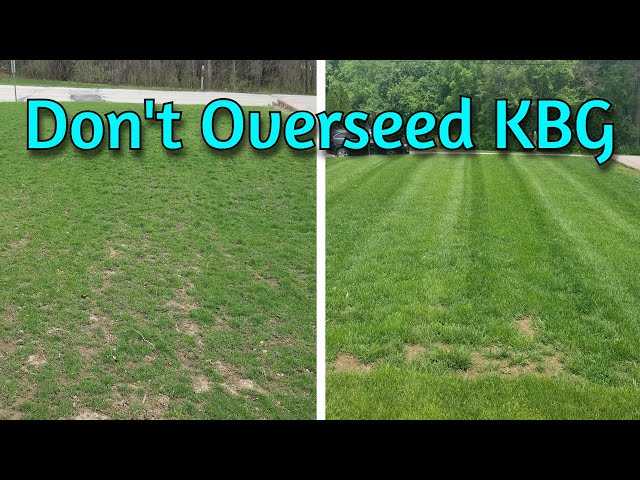
Quick Tip: Don't Overseed Your Kentucky Bluegrass
Frequently Asked Questions
When is the best time to overseed a lawn with Kentucky bluegrass?
The ideal time to overseed with Kentucky bluegrass is during early spring or early fall when temperatures are moderate and rainfall is adequate. These periods allow the grass to establish roots before extreme weather conditions occur. Avoid overseeding during hot summer months or cold winter seasons to ensure successful germination and growth.
What preparation steps should I take before overseeding my lawn?
Start by mowing your existing grass to a short height to minimize competition. Rake to remove debris, thatch, and dead grass to expose the soil surface. Aerate the soil if it’s compacted to improve seed-to-soil contact. Also, address any weed issues and level uneven areas to create a smooth, clean surface for overseeding.
How much Kentucky bluegrass seed should I use per square foot?
Generally, apply about 1 to 2 pounds of Kentucky bluegrass seed per 1,000 square feet. Spread the seed evenly across the lawn using a broadcast spreader. For better coverage and germination rates, consider slightly overlapping passes and follow the seed manufacturer’s recommended application rate.
What soil conditions are optimal for overseeding Kentucky bluegrass?
Ensure the soil has good drainage and a pH level between 6.0 and 7.0. If your soil is compacted or low in nutrients, amend it with compost or a balanced fertilizer prior to overseeding. Proper soil preparation encourages healthy seed germination and root development.
After overseeding, what maintenance practices help ensure successful grass growth?
Keep the soil consistently moist with light, frequent watering until the new grass establishes. Avoid overwatering, which can lead to disease. Apply a light fertilizer suitable for cool-season grasses about 4 to 6 weeks after overseeding to promote growth. Mow the new grass when it reaches about 3 inches in height, trimming to a height of 2 inches to maintain healthy growth.
Final Thoughts
To overseed a lawn with Kentucky bluegrass effectively, start by mowing the existing grass short and removing debris. Aerate the soil to improve seed-to-soil contact. Spread the overseeding mix evenly and lightly rake to incorporate the seeds.
Water the area thoroughly and keep the soil moist during germination. Maintain consistent watering to ensure healthy growth. With proper care, your lawn will become lush and resilient.
In conclusion, how to overseed a lawn with Kentucky bluegrass involves preparing the soil properly, choosing quality seed, and maintaining optimal moisture. Follow these steps for a thriving, beautiful lawn.